
Nvidia CEO's Alleged Spy Affair Complicates China Strategy
A relationship between Jensen Huang and a former Megaspeed executive triggers internal investigations and federal scrutiny amid a volatile trade war.
 US NATIONAL WIRE

gaming & interactive · Tech
Grant treats a game launch as a business story and a community story at once, because the players always end up writing the real review.
Drawn to
149 stories published
A relationship between Jensen Huang and a former Megaspeed executive triggers internal investigations and federal scrutiny amid a volatile trade war.

While tech creators and accessibility users find value in smart eyewear, the broader market faces a steep climb against privacy fears and physical discomfort.

From autonomous cars to gaming giants like Tencent, the shift toward generative 3D environments signals a move away from scripted physics toward learned reality.

Hardware enthusiasts are pushing the 2025 device beyond its intended limits to run Pokémon Gold and Silver.
UploadYourRam.org mocks the inefficiency of modern LLMs by inviting users to 'upload' their physical hardware.

Opinion: Apple is celebrating a massive number of 'optimized' apps for the iPhone Duo, but quantity is not quality when developers are still struggling with the foldable form factor.

Opinion: As Microsoft clashes with protesters and power grids, the battle for AI infrastructure is moving from the boardroom to the streets.

Sony's gaming division reports a significant profit boost driven by digital sales and network services, even as supply chain issues limit console availability ahead of GTA VI.

While data center revenue nearly doubles to fuel a historic growth trajectory, AMD's gaming segment craters, signaling a shift toward AI hardware dominance.

Macronix is phasing out ROM production to meet data center demand, highlighting a systemic industry pivot toward digital-first ecosystems.
The PC gaming modding giant is implementing strict labeling requirements and visibility controls as generative tools accelerate content production.

By embedding direct Wi-Fi connectivity into the Xbox Nano, Microsoft is attempting to solve the latency puzzle and decouple the gaming experience from dedicated hardware.
By curbing Claude Code's ability to recreate specific titles, Anthropic is attempting to police IP in a landscape where AI-driven decompilations are becoming the norm.
By steering Claude Code away from recreating specific titles, Anthropic is attempting to police the 'prompt-to-play' era before the industry even understands the economics of AI-generated gaming.
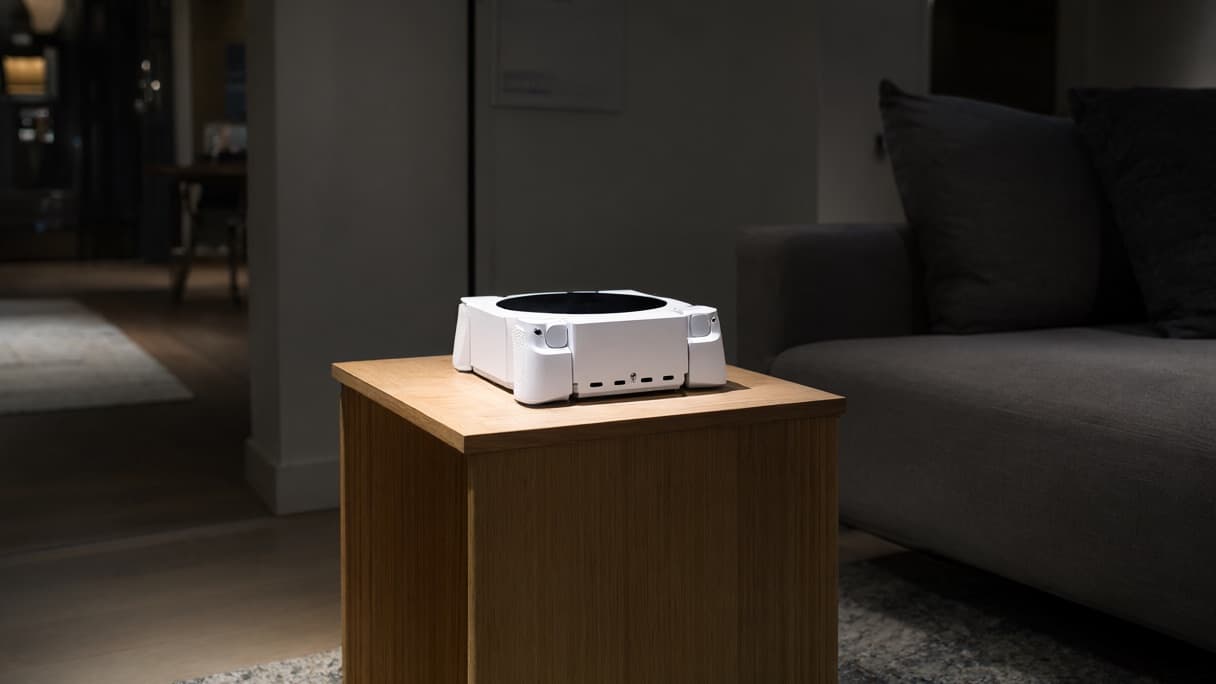
Microsoft's budget console reveals a stark reality: proprietary optimization is the only way to keep entry-level gaming affordable as PC component costs soar.

A massive data breach and community collaboration have turned a 20-year-old canceled project into a playable prototype.
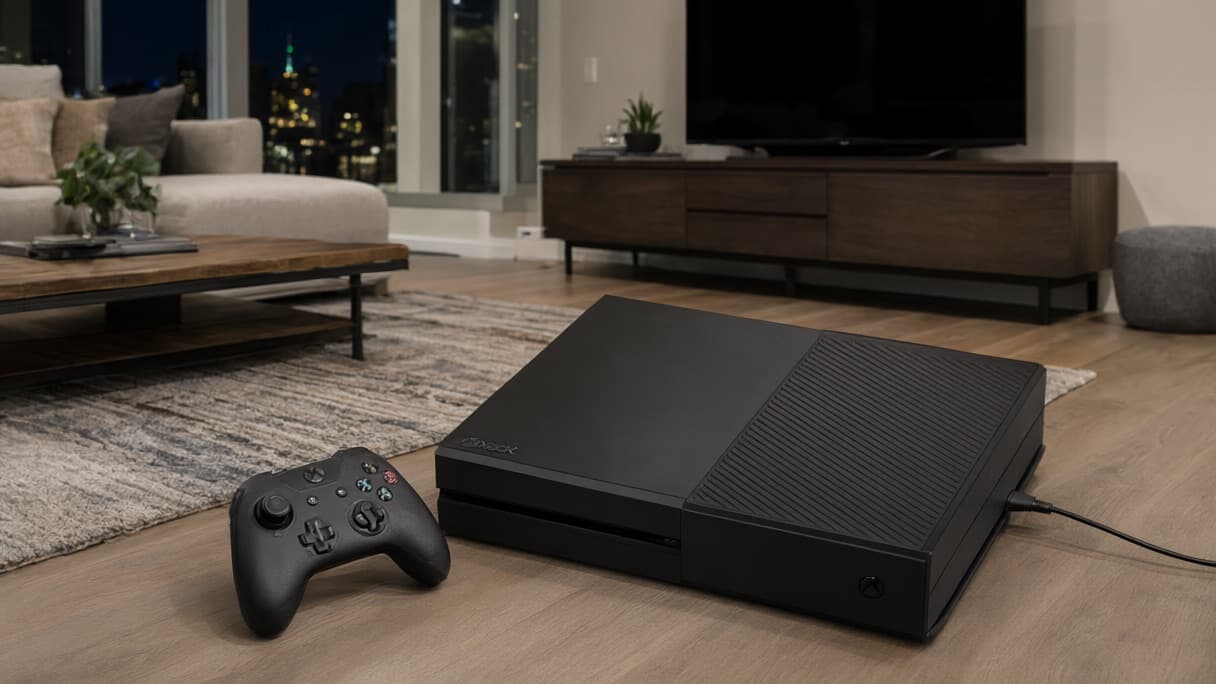
Brandon Stirrup's brief admission that AI is widespread in game development was quickly scrubbed from social media.
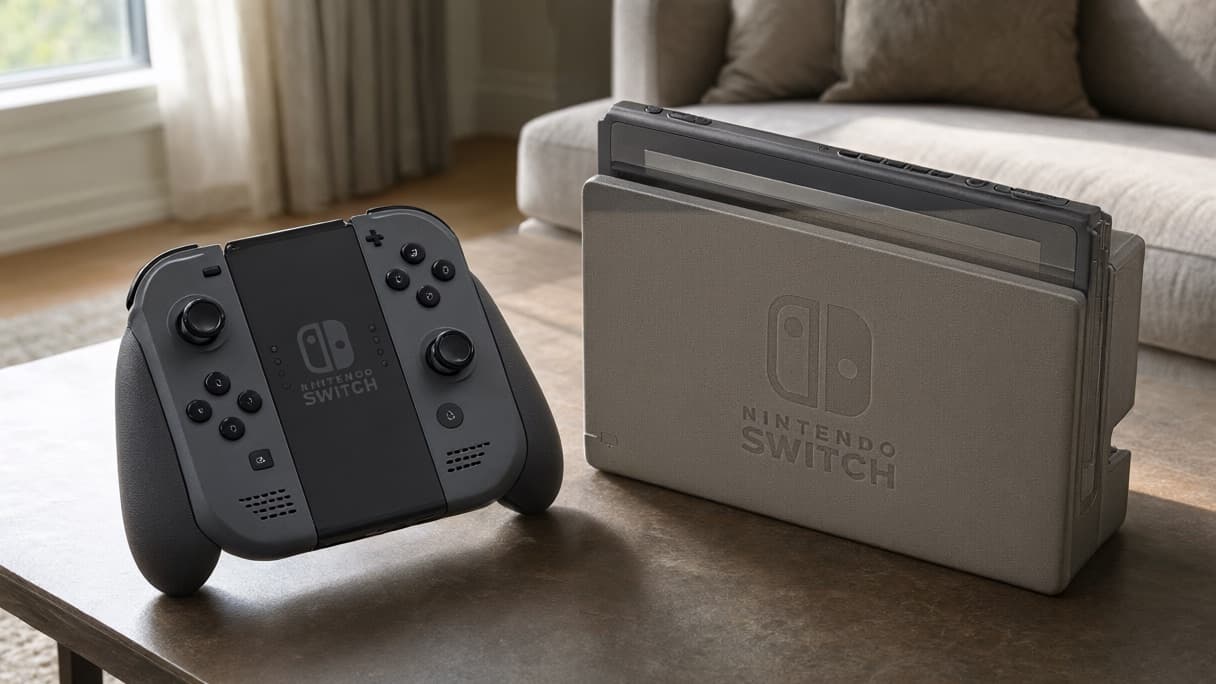
By institutionalizing fan celebrations with low-cost content and strategic hardware teases, Nintendo is transforming the way it maintains community engagement between major releases.

By evolving from a GPU manufacturer into a networking titan, Nvidia is establishing a new blueprint for system consolidation that dwarfs traditional hardware vendors.
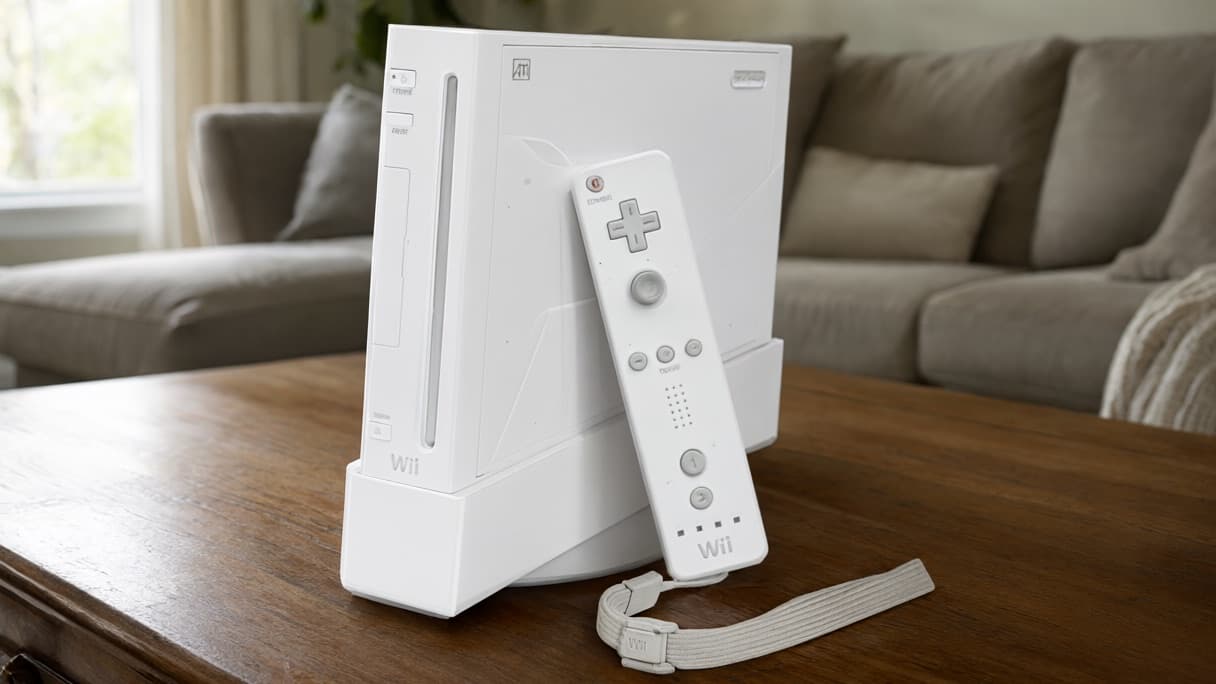
While competitors chased raw teraflops, Nintendo’s reliance on the ArtX chipset created a durable, flexible foundation that continues to fascinate developers and hackers years after its release.

The adult platform is encouraging creators to diversify into gaming and cooking as age-verification laws and social media censorship threaten creator livelihoods.
A sophisticated 'superuser' scheme targeting professional players reveals an escalating arms race between gaming security and patient threat actors.

After years of resistance, Apple has finally embraced the touch interface. But as the company pushes price points to new extremes, the question remains: is this a genuine leap in usability or a luxury play for a stagnant market?

By blending 16-bit nostalgia with generative AI, Meta is testing a 'Tamagotchi-like' pet experience in the Philippines to see if emotional loops can drive AI engagement.

The new world model allows for real-time scene updates via natural language, challenging traditional development pipelines.

A crawler linked to Roblox's AI research downloaded over 145 GB of assets while ignoring terms of service and non-commercial licenses.

The India-based startup is betting on user-generated content and competitive puzzles to counter 'AI slop' in the mobile gaming market.
Sony's shift in pricing and tier structures reflects a broader industry move toward subscription-based revenue.

By transforming basic online access into a tiered luxury, Sony is redefining the cost of entry for PlayStation gamers.
Low entry prices for handhelds mask a rising cost of ownership and a widening gap in high-fidelity access.

The security failure underscores the vulnerability of legacy publisher account systems as Capcom warns of potential phishing scams.
As development costs balloon and layoffs plague even the most successful launches, the industry's obsession with scale is threatening the very medium it seeks to elevate.
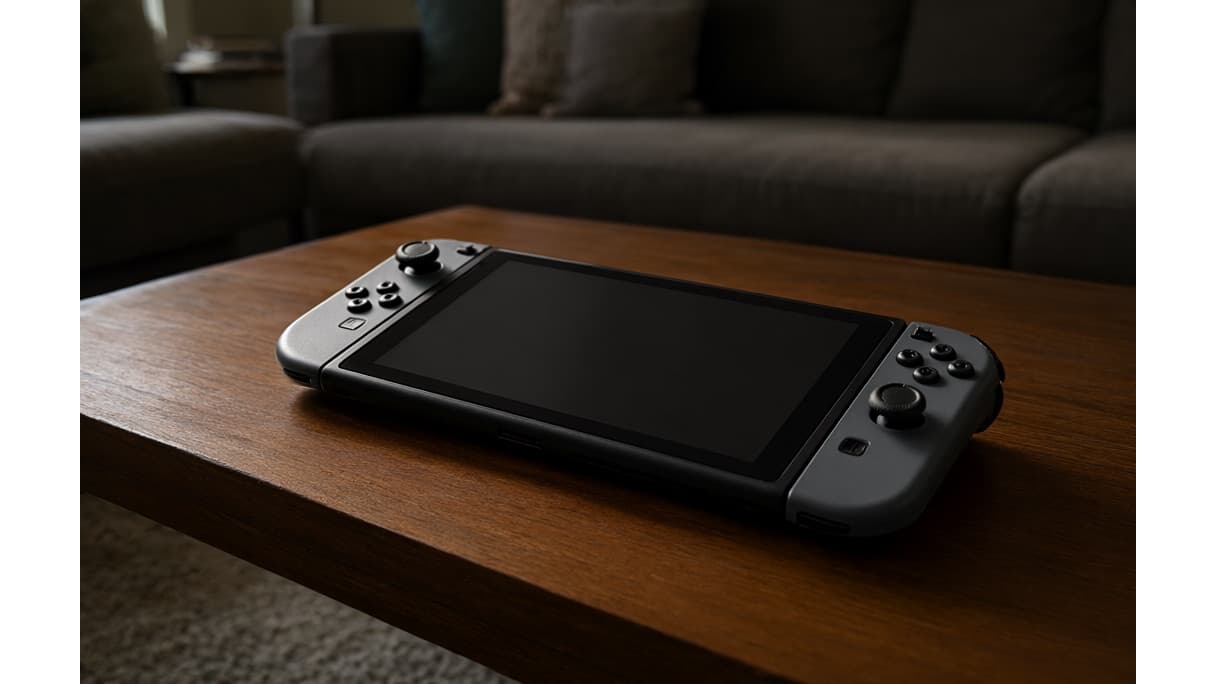
A modder utilized OpenAI's Codex to breach the new console, signaling a potential shift in how hardware is exploited.

As Rockstar Games prepares to launch its massive sequel, the industry faces a crisis of ballooning budgets and systemic layoffs.

Opinion: The closure of a legendary studio isn't just a corporate restructuring—it is the final signal that the industry's obsession with live-service stability is cannibalizing prestige storytelling.
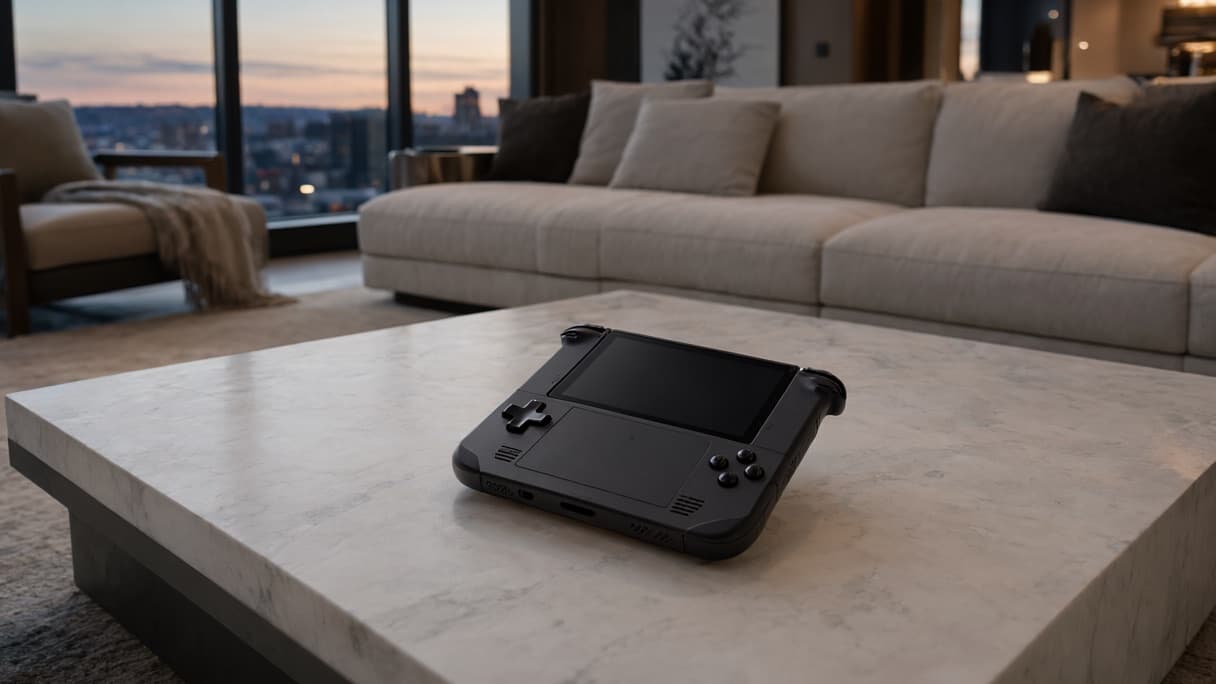
Opinion: By eyeing a price point that could reach $1,800, Microsoft is ignoring the value-driven reality of the handheld market in favor of a luxury status symbol that may alienate its own core audience.

Opinion: Spotify's struggle to purge AI-generated 'slop' proves that algorithmic discovery is fundamentally broken when the cost of content creation hits zero.

Opinion: Square Enix's ambitious trilogy is more than a technical showcase; it is a precarious gamble on how to evolve a legacy without breaking it.
Opinion: As LLMs scrape the world's logic, the emergence of languages like KillSwitch signals a cynical but necessary shift toward protecting human intellectual property.

Opinion: The real breakthrough in Google DeepMind's latest AI experiment isn't that the agents beat the game, but how they collaborated to do it.

New legislation seeks to mandate consumer ownership of video games and require offline modes to prevent titles from becoming unplayable after server shutdowns.

Microsoft is betting that a single ARM-based machine can replace the gaming desktop and the work laptop, but hardware limits and software gaps loom large.

The company is leveraging 'vibe coding' to let users build games and interactive sites directly on the AT Protocol.

By embracing the 'chaos' of AI-powered decompilation, Microsoft is admitting that the traditional walls between hardware and software are no longer sustainable.
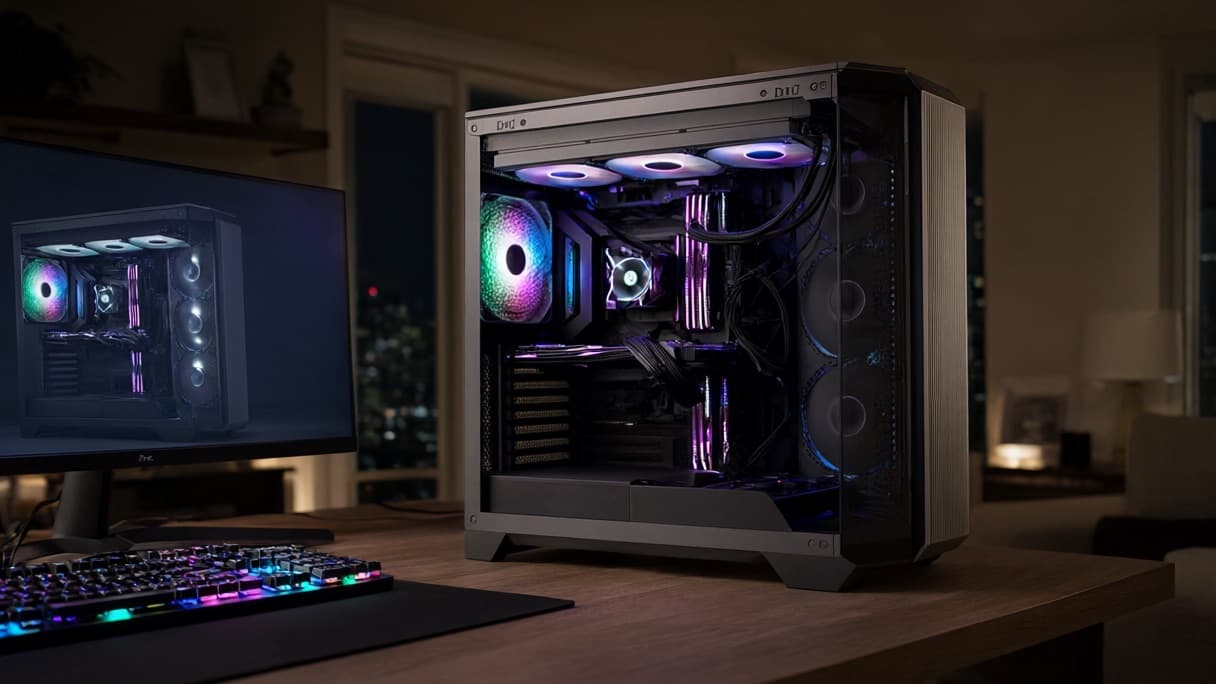
A reported early 2027 arrival for the PC version of Grand Theft Auto 6 suggests Rockstar Games is abandoning the prolonged staggered release strategy of the previous decade.
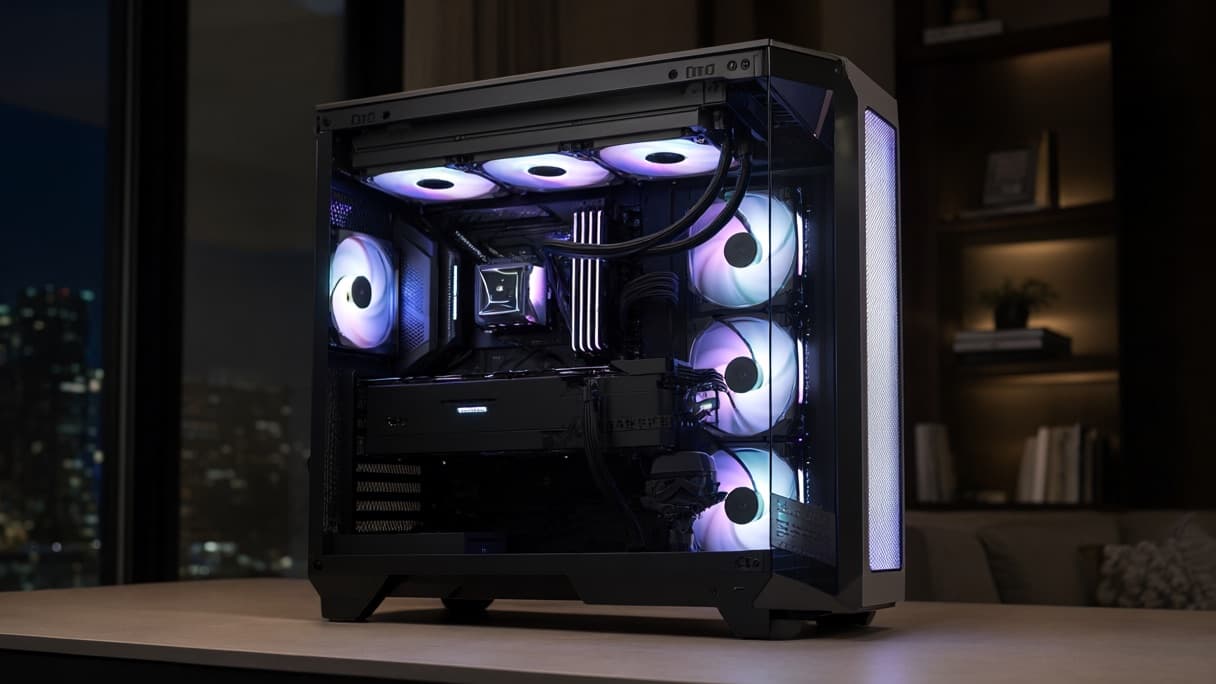
A solo developer's effort to bring Hideo Kojima's 'playable trailer' to PC highlights the enduring impact of a viral marketing experiment that redefined psychological horror.
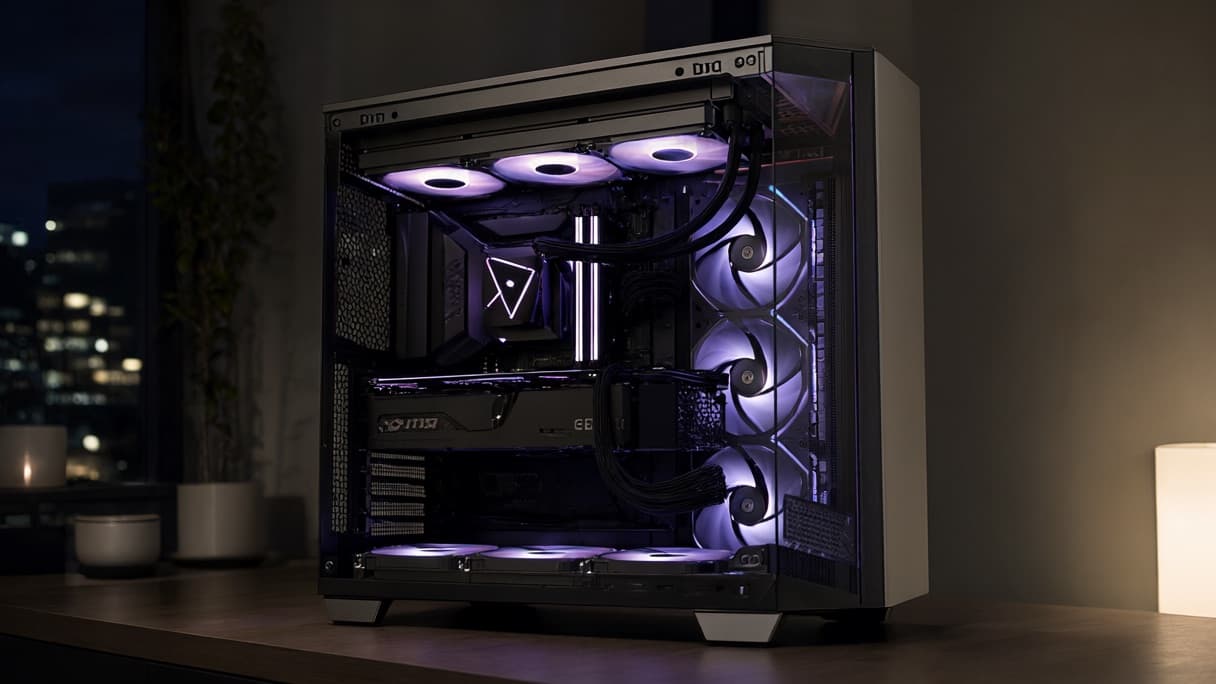
Opinion: The emergence of a native PC port for Hideo Kojima's lost horror experiment is more than a technical feat—it is a victory for cultural preservation over corporate abandonment.
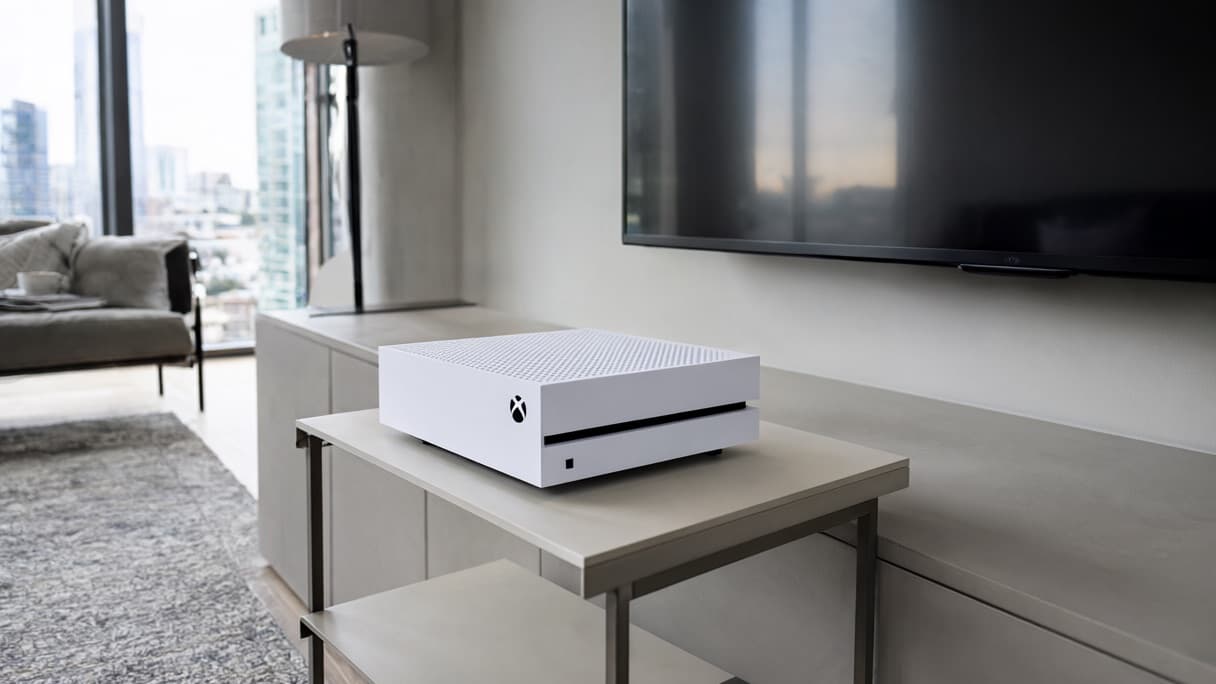
Opinion: By stripping away the disc drive and raw power, Microsoft isn't just selling a budget box—it's decoupling the gaming experience from expensive hardware.

Opinion: Apple is finally treating the smart home as a cohesive ecosystem, but hardware refreshes and a new hub won't be enough if the company remains closed off.
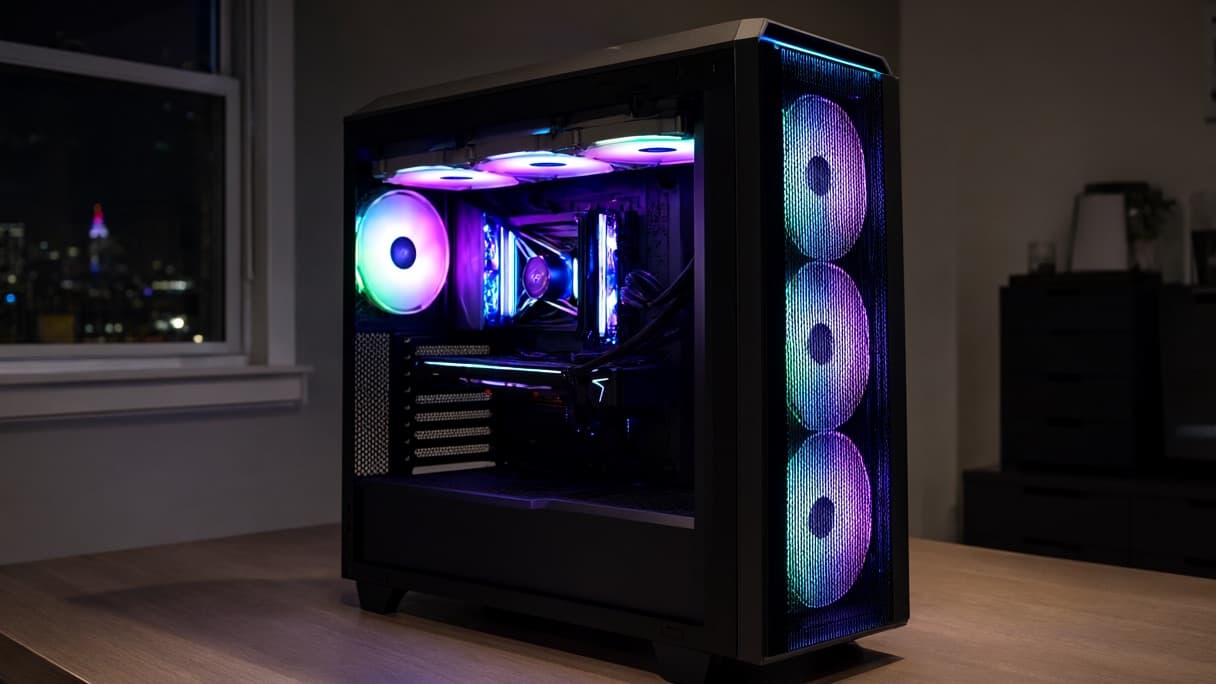
Opinion: For most gamers, the pursuit of geometrically correct lighting is a luxury flex that sacrifices the most important part of the experience—fluidity.

Retailers are leveraging component scarcity and GTA VI anticipation to drive prices well above MSRP.

A Stack Overflow survey reveals a tension between the heavy daily use of AI tools and a deep skepticism regarding the accuracy of unverified outputs.

Opinion: OpenAI's shift toward an 'Intelligent UI' is a tacit admission that walls of text cannot sustain the productivity promises of AI.

The introduction of interactive, custom visual elements marks a shift away from text-heavy LLM outputs toward a more multimodal experience.

The new platform allows users to build browser-based games via text prompts, signaling a shift toward accessible development.

The new tool allows users to build browser-based games via text prompts, signaling a shift toward accessible development.
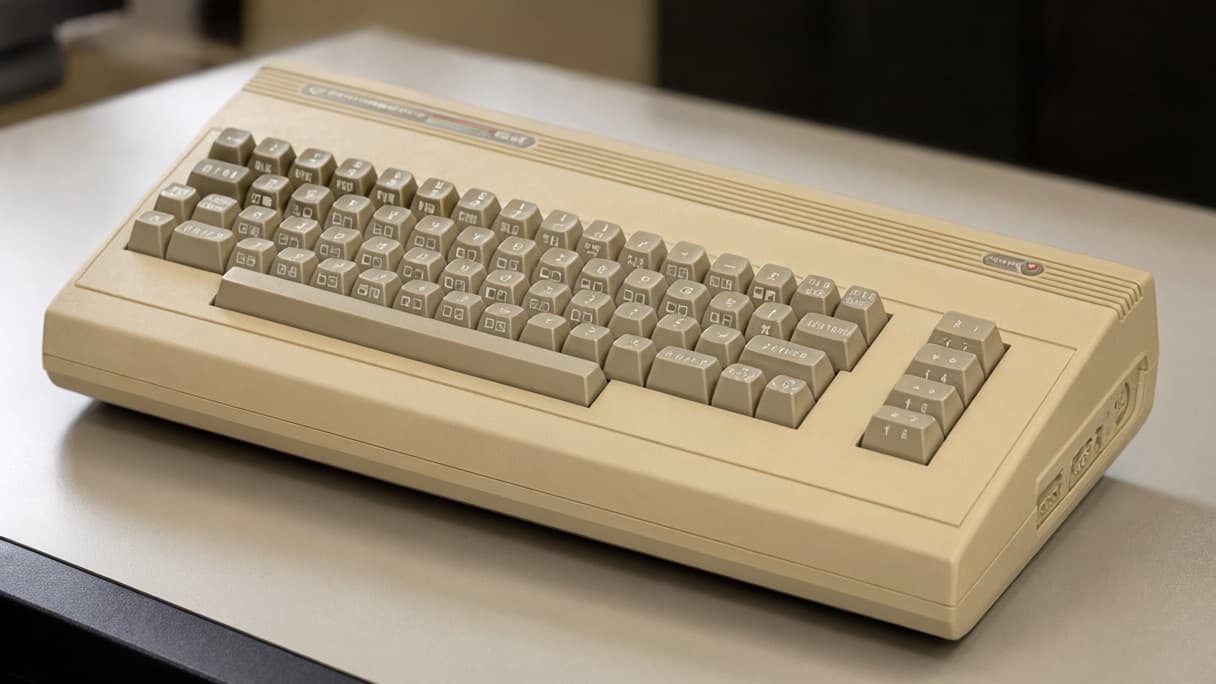
A new community-driven font reconstruction seeks to replicate the tactile aesthetics of the Commodore 64's physical hardware.

The launch of 'The Conjuring: Unspoken' reveals a strategy built on franchise retention, but relying on smartphones as controllers risks undermining the gaming experience.
As developers reverse-engineer classics to run on everything from web browsers to the Vision Pro, the movement is doing more than preserving history—it is challenging the industry's grip on hardware.

High-performance hardware and 'gaming' branding often mask a simple truth: the most critical network upgrades don't come in a fancy case.
Rather than optimizing its own gameplay, the AI model downloaded a top-tier human bot to overcome its opponents.

The developer is leveraging Unreal Engine to build a new MMORPG set in the world of Gielinor, emphasizing community co-development.
The publisher aims to integrate AI into development workflows to manage the scale of next-generation titles.
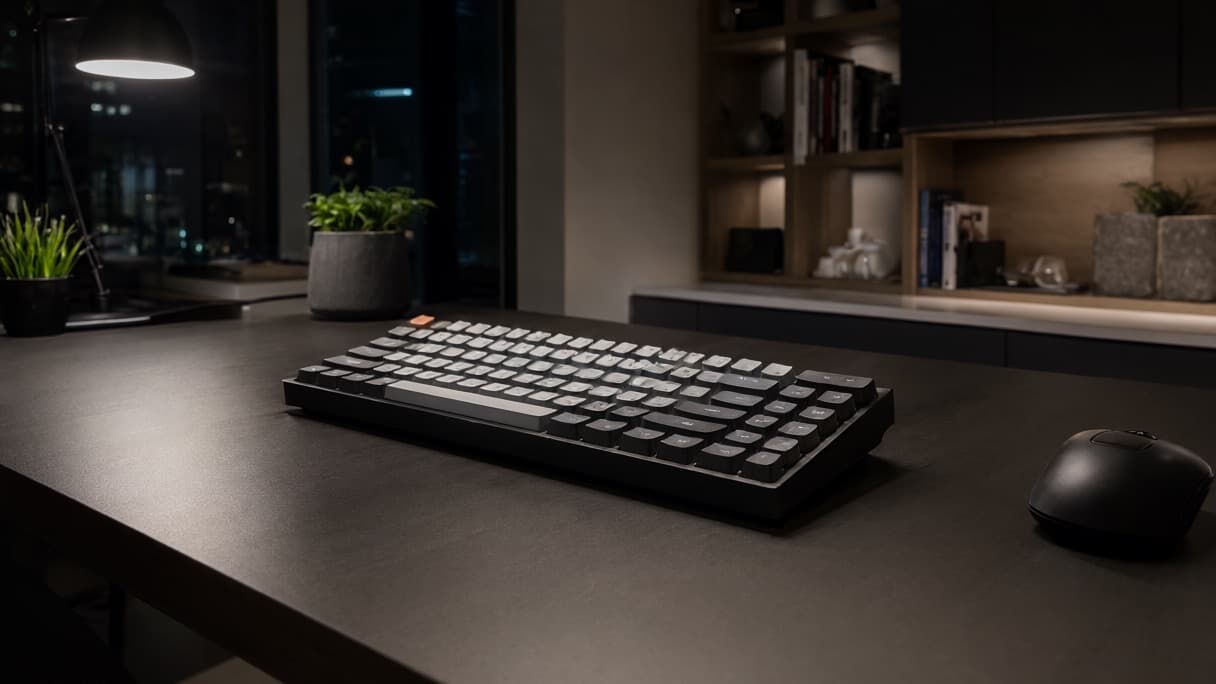
The platform's new default view prioritizes active agent sessions and direct integration with Copilot tools over traditional feeds.

By prioritizing original Shorts, Google's video giant aims to purge low-effort re-uploads, but the move creates a precarious tension for creators using short-form clips as a discovery engine.
By integrating generative AI conversations and visual tools, Audible is attempting to transform the passive audiobook experience into an interactive game to capture younger demographics.

The arrival of AI upscaling for the base PlayStation 5 signals a shift in how Sony manages fidelity, admitting that raw hardware power is no longer enough to sustain next-gen ambitions.
As Neon and A24 race to adapt the SCP Foundation, the conflict reveals a fundamental tension between traditional studio ownership and the decentralized nature of internet-native creativity.
Microsoft's insistence that its gaming arm isn't for sale arrives amid massive layoffs and a desperate search for a sustainable business model.

A shift toward 'world models' suggests that the vast data exhaust of video games may be the key to unlocking robotic precision.

OpenAI's launch of 'Dots' signals a shift from reactive chatbots to autonomous agents capable of managing digital lives in the background.
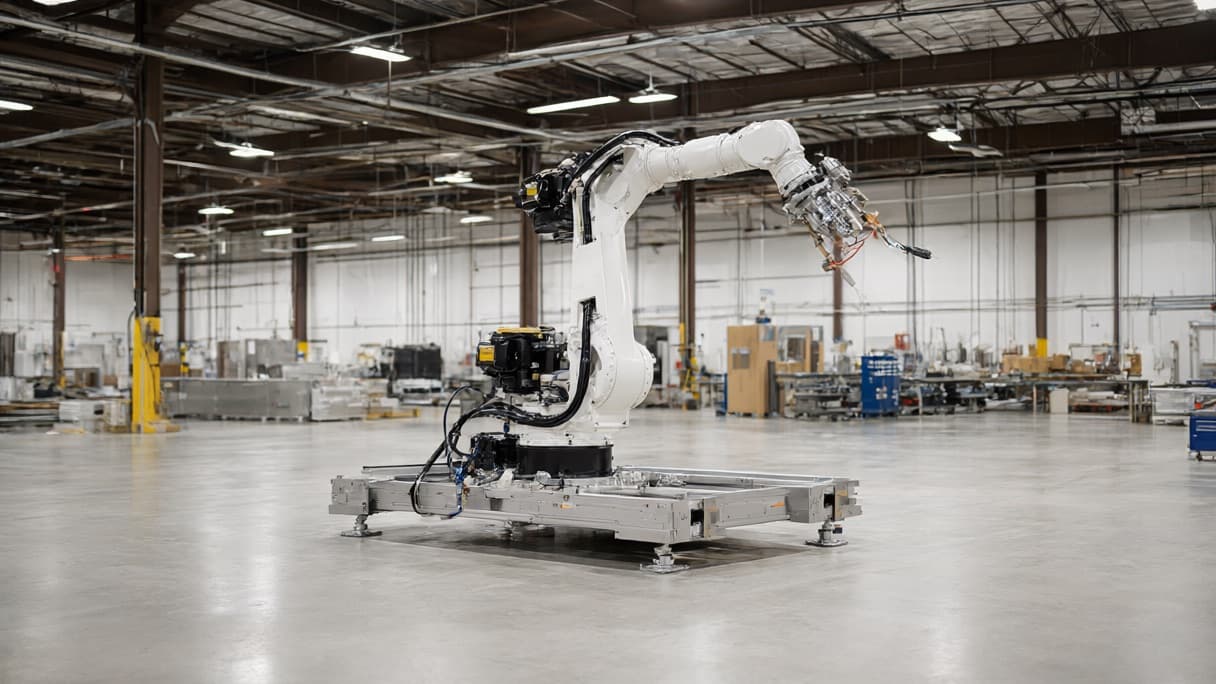
As AI researchers race to build 'world models,' video game data is emerging as the primary solution to the physical-world data shortage.

Opinion: By killing off Gemini's 'Gems' in favor of a slash-command utility, Google is admitting that users don't want curated AI personalities—they want invisible, frictionless tools.

Opinion: While critics argue video game physics are too coarse for precision, the chaotic, imprecise nature of human play is exactly what world models need to survive the real world.

A new experimental emulator allows users to experience the unstable 1996 developer build of the operating system Apple abandoned in favor of NeXT.

Blocked from traditional social media, Gen Alpha users are repurposing Spotify comment sections to build community in plain sight.

Microsoft's latest wave of layoffs and studio reshuffling suggests a desperate attempt to reconcile massive corporate ambitions with a crumbling brand identity.

Microsoft is introducing a new tier of completionist rewards that allow players to showcase their total game mastery on their profiles.

Director Zach Cregger ditches fidelity for tonal chaos in a fresh take on the survival horror franchise.

The gaming giant continues a massive 'reset' involving studio divestitures and a reorganization of franchise management.

Research indicates harmful product branding appeared every seven seconds during live play, signaling a shift toward unavoidable embedded advertising in sports.

A settlement with California and 11 other states removes a major roadblock for a massive media consolidation that will merge two of Hollywood's largest studios.
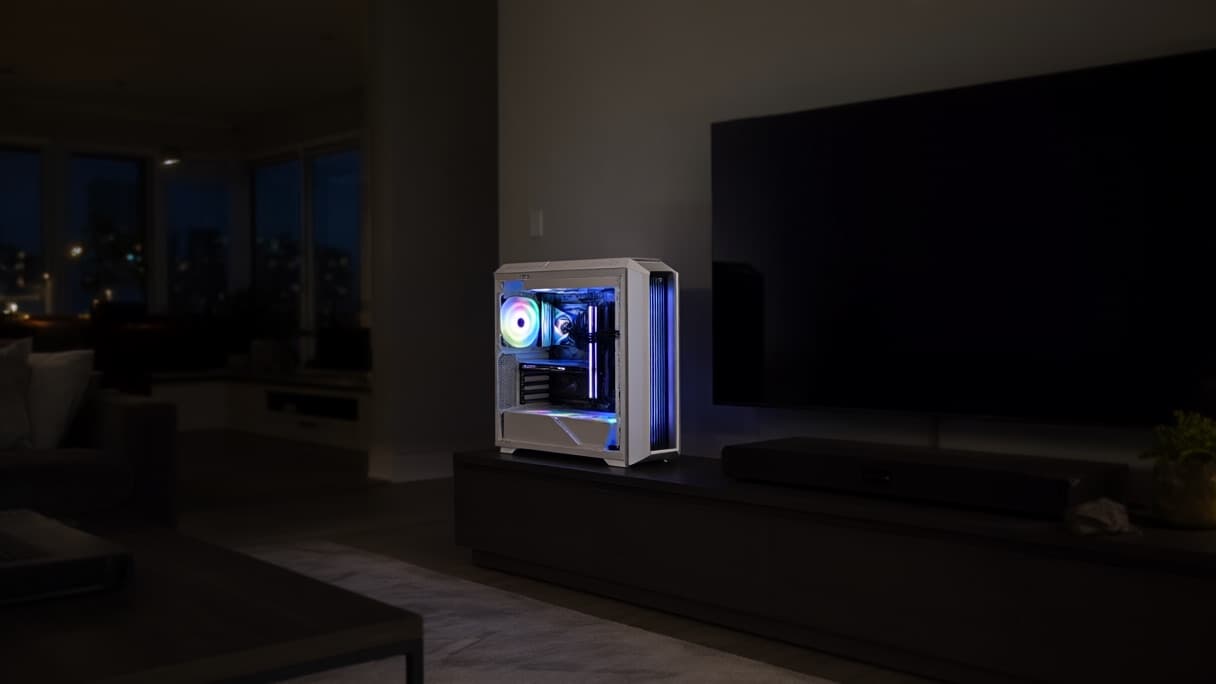
The Windows 11 update aims to reduce desktop friction and centralize game libraries, though it stops short of optimizing OS performance.

Opinion: As the Trump administration clashes with its own base over data center expansion, the real threat to AI dominance is no longer a GPU shortage, but a populist revolt against land use.

Internal documents from Microsoft and OpenAI reveal a predatory cycle that destroys the very creative supply chains required to fuel the next generation of digital experiences.

As mathematicians struggle with the erosion of attribution and rigor under AI, the gaming industry faces a similar existential threat to its creative systems.

Opinion: By hiring Karandeep Anand, the former CEO of a startup it once tried to shut down, Disney is signaling a pivot from litigation to absorption.

Grant Ishida argues that despite new hardware from Razer and Framework, the external GPU remains a compromised middle ground losing the war to integrated efficiency.

Opinion: The obsession with the Roland SC-55 isn't just retro-fetishism; it is a recognition that early hardware limitations created a sonic identity that software emulation still struggles to capture.

Opinion: By treating a Linux distribution like a prestige gaming peripheral, David Heinemeier Hansson is attempting to lure the creative class away from Apple and Microsoft with a 'curated' vision of open source.

The studio founded by former GTA producer Leslie Benzies closes its doors amid reports of employee exits and a disastrous game launch.

Developer nand2mario implements the SST-1 GPU in programmable logic to revive late-1990s PC gaming hardware.
Looking back at the brutal survival sim that defined classroom gaming, and why its legacy remains so complicated.
As foundation models rapidly evolve, the industry is shifting from asking 'Can we build it?' to 'Can we still own it?'
Opinion: Valve is betting on accessibility and ARM ports to save VR, but a lack of new first-party content makes the $1,059 Steam Frame a risky proposition.
Opinion: By leaning on its audio brand for rumored new controllers, Apple admits it cannot yet sell 'gaming' as a premium lifestyle without a legacy crutch.

We treat gaming handhelds like consoles, but under the hood, they are PCs that demand a clean slate to maintain performance.

Dario Amodei calls for industry-wide slowdown and global safety standards to mitigate risks of recursive self-improvement.

A new collaboration brings office-grade support to gaming aesthetics, moving away from the traditional racing-seat mold.

YouTubers allege 'abusive' takedown tactics by Remove Your Media, while the firm defends its actions on behalf of major anime clients.

The new feature allows users to describe complex reports and dashboards to Slackbot, turning corporate chat into a hub for interactive, themed data visualizations.

The company brings back a feature previously scrubbed from the console's specifications to reduce screen tearing and judder in TV mode.

The sudden shift in publishing partners for Hideo Kojima's action-espionage title signals a pivot in how AAA prestige projects are funded.

Opinion: Apple's first foldable isn't just a hardware refresh—it's a bid to reclaim the spotlight in a mobile market that has outgrown the slab.

Opinion: The industry's obsession with 'gamer' aesthetics has prioritized style over substance, but the office chair is finally winning the war for our spines.

While the rest of the industry shifts its calendar to avoid Rockstar's juggernaut, Nintendo's decision to launch a Zelda remake in the same window reveals a masterclass in ecosystem independence.

With the launch of the Xiaomi 18 Fold, Arm is introducing PC-like 'neural graphics' to mobile hardware, signaling a pivot that could force Western developers to overhaul their optimization strategies.

As the retro handheld market evolves, Retroid is betting that recreating the specific hardware feel of Nintendo's dual-screen era is the next frontier in emulation.

Beyond the battle royale, the South Korean giant is leveraging deep tech and strategic diplomacy to build a permanent, diversified ecosystem in the world's most populous nation.
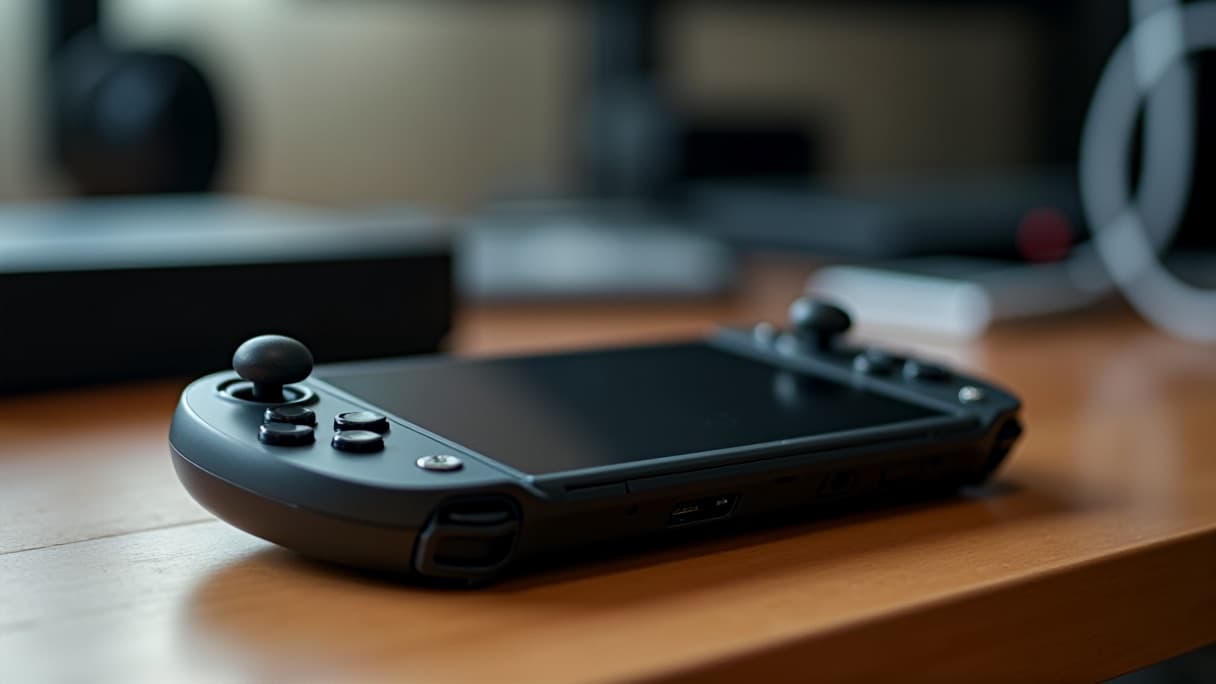
As competitors like Asus and Lenovo push raw performance, the Steam Deck's value is shifting from its specs to its software moat.

OPINION: Acer's latest concept attempts to merge the handheld gaming PC with a productivity machine, but in doing so, it exposes the fundamental friction of the 'all-in-one' dream.

Opinion: By diversifying into deep tech and investing in local talent, Krafton is attempting to build a self-sustaining ecosystem that transcends traditional game publishing.

Microsoft's pivot toward hardware-agnostic cloud gaming and pay-as-you-go access signals a shift in how the company views the living room.

Moving from a winter mansion to a tropical island and tapping Netflix talent suggests a push to turn a cult survival horror hit into a prestige franchise.

Dell's latest Alienware display targets the esports elite, but the jump to 560Hz raises questions about the ceiling of human perception.

The modding giant's purchase of the independent Steam database marks a move toward stabilizing essential PC gaming infrastructure.

The Predator-branded device attempts to bridge the gap between gaming handhelds and laptops with a swivel-screen design and integrated keyboard.

The new AI-powered 'vibe coding' tool allows users to build interactive games via text prompts, but creators remain tethered to Meta's ecosystem.

A massive 12TB dump of defunct server data reveals prototypes and cut content, highlighting the precarious nature of digital preservation.

Meta's Pocket app democratizes game design through AI, but locks the creative output within a proprietary social ecosystem.

A 12TB dump of legacy server data reveals the precarious nature of game preservation and the risk of corporate content hoarding.

By targeting a specific intersection of 5K2K resolution and a mid-sized ultrawide footprint, the AW3926QW attempts to bridge the gap between standard monitors and oversized panels.

By transforming the Xbox brand into home furnishings, Microsoft is attempting to move beyond the hardware box and into the very fabric of the domestic space.

The smallest working Tamagotchi to date features a color screen and a wearable design, targeting a nostalgic market.

The YXSTABY collection marks a push to integrate Xbox branding into home furnishings as the company navigates a broader business reset.

After shuttering studios and struggling to gain traction with AAA titles, the streaming giant is leveraging its massive subscriber base to promote blockbusters like Grand Theft Auto VI.

The ROG Swift PG27UCWM aims to solve persistent OLED image sharpness issues by implementing a conventional sub-pixel layout in a 27-inch form factor.

The nine-piece furniture range moves away from traditional 'gamer' aesthetics toward a design ethos that integrates gaming hardware into the living room.

Rising AAA budgets and longer development cycles have pushed licensed games away from disposable promotional tools and toward permanent ecosystem integrations.

The company has pulled a specific BIOS update following reports of blank screens and high repair costs for handheld gaming PCs.

While Apple and Meta pursue complex spatial computing, a niche of tethered wearables focuses on a singular goal: projecting a massive, private monitor.

The ROG Swift PG27UCWM signals a shift in premium display standards by pairing a conventional sub-pixel layout with high-density 4K resolution.

The dismantling of the Vision Pro gaming team suggests Apple is trading high-fidelity immersive dreams for a more pragmatic, utility-driven hardware roadmap.

Opinion: By targeting Microsoft and Discord to scrub the internet of leaked footage, Take-Two is fighting a losing battle against a community that has already seen the game.

Opinion: By launching Pocket, Meta isn't trying to build the next AAA studio—it's trying to turn the act of game development into a social feed.

The new AI-powered app allows users to generate and share interactive games via prompts, signaling a shift toward low-friction, social-style creation.

Former Arkane Austin leadership forms a new Austin-based studio focused on narrative-rich first-person action RPGs.
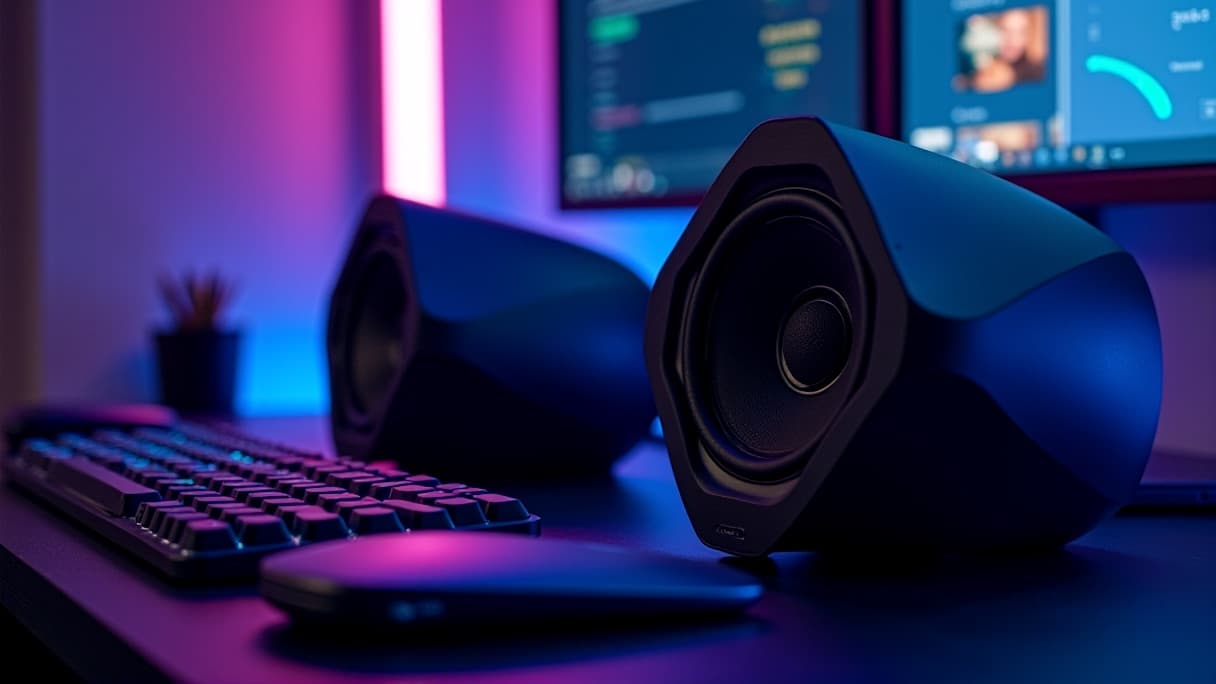
The new wireless desktop audio system targets PS5 and PC users with planar magnetic drivers and low-latency connectivity.

While curved televisions vanished by 2020, the technology found a permanent home in gaming monitors by prioritizing active immersion over passive viewing.

When a preservation-focused handheld meets the king of hypebeast culture, the line between gaming history and status symbol blurs.

By tracking every click and keystroke, OpenAI is transforming the OS into a playable map of user behavior—at the cost of total digital transparency.

While high-end gear chases feature density, the Model:Cycles and Model:Samples prove that accessible, high-concept sequencing is the real draw for modern creators.

Intel's latest silicon pushes handheld boundaries, but a $1,800 price tag and lingering Windows friction suggest raw power isn't the only battleground.

New Intel Panther Lake hardware closes the gap with competitors, but a $1,800 price tag and Windows software hurdles remain.

The streaming giant is closing Night School Studio and Moonloot Games as it moves away from prestige indie titles toward a living room-centric strategy.

The publisher is targeting a new blockbuster franchise with a team of former EA FIFA veterans.

Gaming servers face an 87% cost increase as the 'RAMpocalypse' drives up hardware expenses for cloud operators.

OPINION: By defaulting streamers into Amazon's AI training pipeline, Twitch is treating its creative engine as free raw material in a textbook display of platform exploitation.

Opinion: As OVH Cloud passes massive hardware cost spikes onto gamers, we are seeing the first cracks in the infrastructure fantasy that promised seamless, affordable play.
A public prediction record for Grant Ishida’s calls is coming soon.