
The Luxury Trap: Microsoft's High-Stakes Gamble with Project Helix

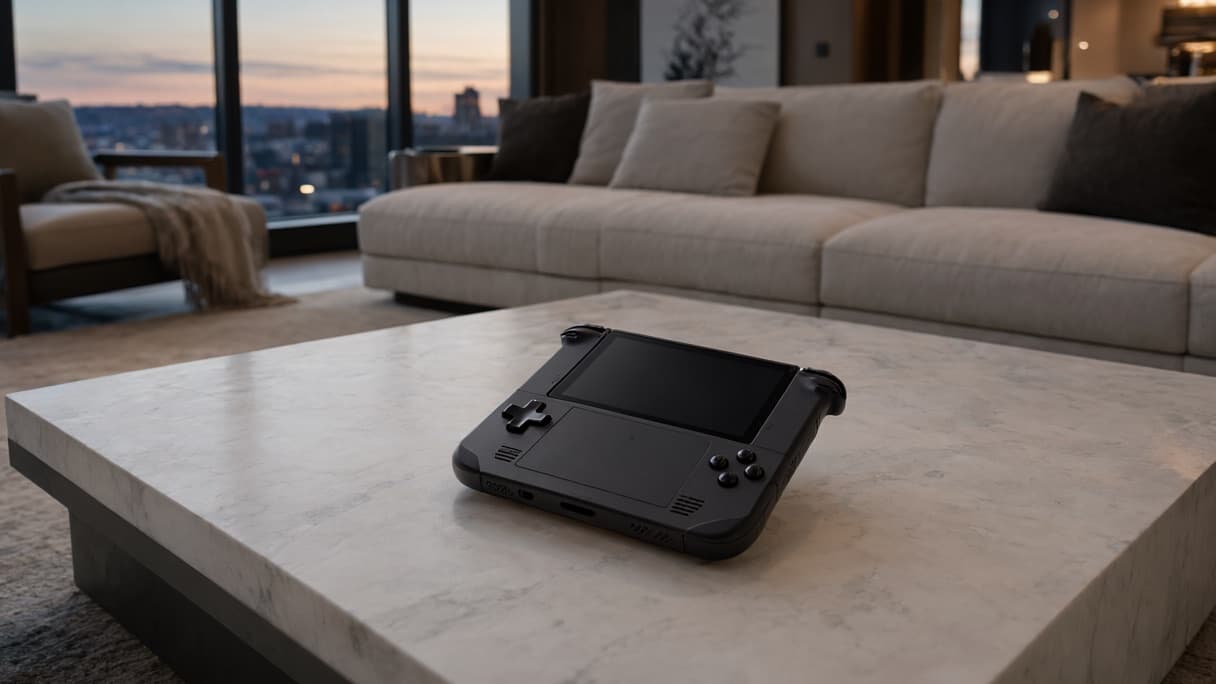
AI-generated image · US National Wire
Opinion: By eyeing a price point that could reach $1,800, Microsoft is ignoring the value-driven reality of the handheld market in favor of a luxury status symbol that may alienate its own core audience.
Microsoft is currently steering Project Helix toward a precipice. As first reported by Ars Technica, citing a wide-ranging profile from Fortune, the company is framing its upcoming hardware as a way to play Xbox and PC games, but internal projections for the device's cost suggest a fundamental misunderstanding of where the gaming market is headed.
According to reporting from Fortune, internal projections at Microsoft suggest a 2028 holiday season release for a console that could cost between $1,200 and $1,800. While Fortune notes that Microsoft could choose to subsidize this cost—a common practice among console manufacturers—the mere fact that these figures are being discussed internally is alarming. In a market defined by accessibility and aggressive value, pricing a device as a luxury status symbol is a dangerous game.
To be clear, the industry is facing headwinds. As Ars Technica points out, the slowdown of Moore’s Law and shortages of AI-driven components have made cutting-edge hardware more expensive. We see this trend in the current market: the Steam Machine has surpassed the $1,000 mark, the PlayStation 5 Pro is priced at $900, and the six-year-old Xbox Series X starts at $750. However, there is a vast chasm between a $1,000 high-end machine and a device that could potentially cost $1,800. At that price point, Project Helix ceases to be a gaming tool and becomes a niche luxury item.
This pricing strategy is particularly jarring when viewed alongside the internal turmoil reported by Fortune. The company has been plagued by clashes over the device's soul—specifically, its operating system. Fortune reports that a high-level executive once threatened to cancel the handheld entirely if it were forced to run a trimmed-down version of Windows Home, similar to the ROG Xbox Ally. While Xbox CEO Asha Sharma maintains that the various groups are working closely together, Fortune reports that the Xbox team now largely controls the OS direction.
When a company is fighting internally over whether a device should run a bespoke OS or a modified version of Windows, it suggests a lack of clarity regarding the product's identity. If Microsoft is building a bespoke, high-cost ecosystem, they are betting that consumers will pay a massive premium for the privilege of staying within the Xbox garden. But why would a consumer pay up to $1,800 for that privilege when the handheld market has historically thrived on versatility and value?
Furthermore, the pressure to accelerate development is adding to the volatility. Fortune reports that Microsoft has pushed the hardware team to move up Project Helix timelines by several months, utilizing AI tools to speed up the process. Rushing a luxury-priced product is a recipe for disaster; when consumers pay $1,200 or more, their tolerance for technical glitches or unpolished hardware vanishes.
Adding to the instability is the reported shift in the business model surrounding the hardware. Fortune cites people familiar with the strategy who claim Xbox Game Pass will move toward a tiered "a la carte" structure. This would allow subscribers to select specific add-ons for cloud gaming, multiplayer, and console-only games. This shift away from the comprehensive bundles that made Game Pass a value proposition feels like another move toward monetization over accessibility.
Perhaps most concerning are the rumors regarding the stability of the Xbox division itself. Fortune reports that several current and former staff members worry that Asha Sharma was appointed to implement deep cuts ahead of a potential sale or spinoff of the Xbox group. While Microsoft executive Judson Althoff has explicitly pushed back against this, stating that Sharma would not have been placed in charge of a business intended for sale, the speculation persists.
If the Xbox group is indeed facing an identity crisis or a potential corporate restructuring, Project Helix looks less like a strategic leap and more like a desperate attempt to capture the ultra-high-end market. By pricing the device as a luxury object, Microsoft is abandoning the broad-based appeal that built the Xbox brand. They are betting that a small sliver of wealthy enthusiasts will sustain a hardware line that is priced far beyond the reach of the average gamer.
In the gaming world, accessibility is the primary engine of growth. By chasing a $1,200 to $1,800 price point, Microsoft isn't just playing a dangerous game—they are risking the alienation of the very community they need to survive the next generation of interactive entertainment.