
The Cyborg Dilemma: AI Glasses Struggle Against Social Friction

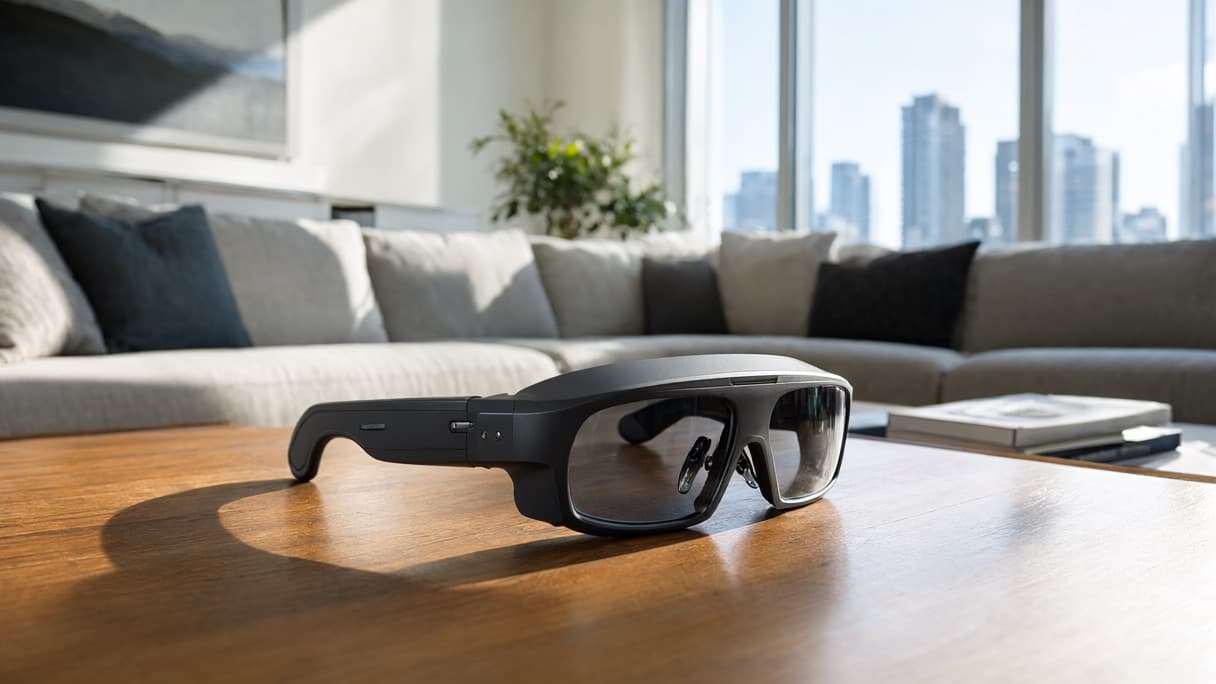
AI-generated image · US National Wire
While tech creators and accessibility users find value in smart eyewear, the broader market faces a steep climb against privacy fears and physical discomfort.
OPINION: The current trajectory of AI glasses suggests a classic tech industry blind spot. We are witnessing the rollout of hardware that solves niche problems while creating massive social friction, proving that 'cool' specs cannot overcome the basic human instinct to avoid looking—and acting—like a cyborg in public.
As Engadget first reported, the market for smart glasses has seen a swift rise, though it remains a polarizing space. A 2026 survey conducted by Security.org indicates that 25 percent of respondents are likely to purchase a pair of smart glasses within the coming year. However, the actual utility of these devices varies wildly depending on the user demographic.
Engadget notes that the technology thrives most naturally among tech content creators and repair shops, who utilize the glasses to showcase daily business operations. More importantly, the outlet highlights a justifiable need for the tech among seniors and individuals with disabilities, who utilize accessibility features for medication reminders and tracking doctor visits.
Yet, for the general population, the friction is palpable. Engadget reports that the hardware has developed a reputation for causing irritation and eye strain, mirroring issues seen with VR headsets. Beyond the physical discomfort, there is the social cost. The integration of cameras capable of capturing video has created significant alarm regarding consent and privacy laws. As Engadget points out, the clandestine nature of recording others without their knowledge remains a primary red flag for the public.
Ultimately, while the hardware is a plausible reality, it exists in a state of tension between efficiency and intrusion. The technology may be advancing, but the social contract is not yet written to accommodate it.