
The Illusion of Affordability in Modern Gaming

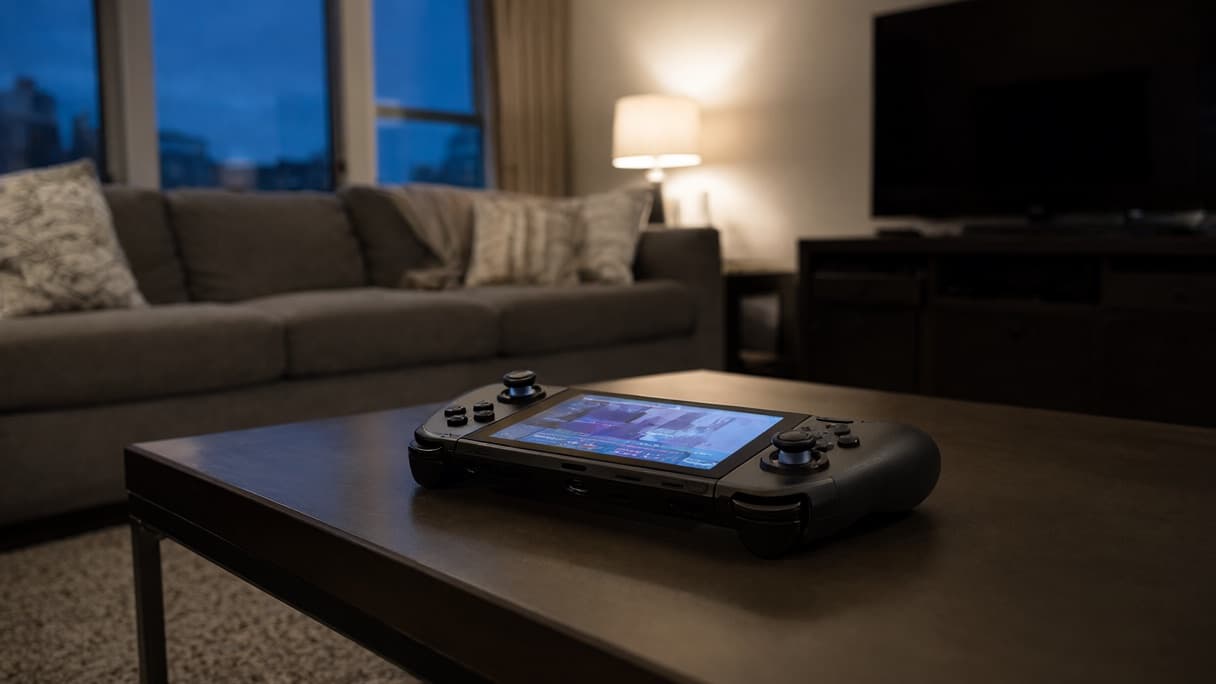
AI-generated image · US National Wire
Low entry prices for handhelds mask a rising cost of ownership and a widening gap in high-fidelity access.
Opinion: The current gaming hardware market presents a precarious value proposition. While the Nintendo Switch Lite remains the most affordable mainstream entry point at $230, as Engadget first reported, this low sticker price requires significant compromises. The device cannot dock to a TV and is unable to play exclusives for the $500 Nintendo Switch 2.
For those seeking high-fidelity experiences, the barrier to entry is surging. Engadget notes that import tariffs and memory price hikes have driven costs upward; the PlayStation 5 Pro, which launched in 2024 for $700, now carries a $900 sticker price, with GameStop resellers charging over $1,400. Even entry-level options from major players have climbed, with the Xbox Series S at $500 and the disc-less PlayStation 5 Digital Edition at $600.
This pricing volatility extends to software. Engadget highlights that digital-only consoles leave users dependent on official store discounts for titles that typically cost $60 to $70, with Grand Theft Auto VI priced at $80. While handheld PCs like the ASUS ROG Xbox Ally X ($1,000) or Valve's Steam Deck OLED (starting at $789) offer cheaper game downloads via Steam and GOG, their high upfront costs alienate casual consumers.
Ultimately, the 'cheapest' option is often a mirage. Nintendo rarely discounts older titles, meaning the Switch Lite's initial savings can be erased over time. As high-end gaming moves toward a price point where users might 'need to take out a loan' for the best experience, the industry risks creating a tiered system where fidelity is reserved for the affluent.