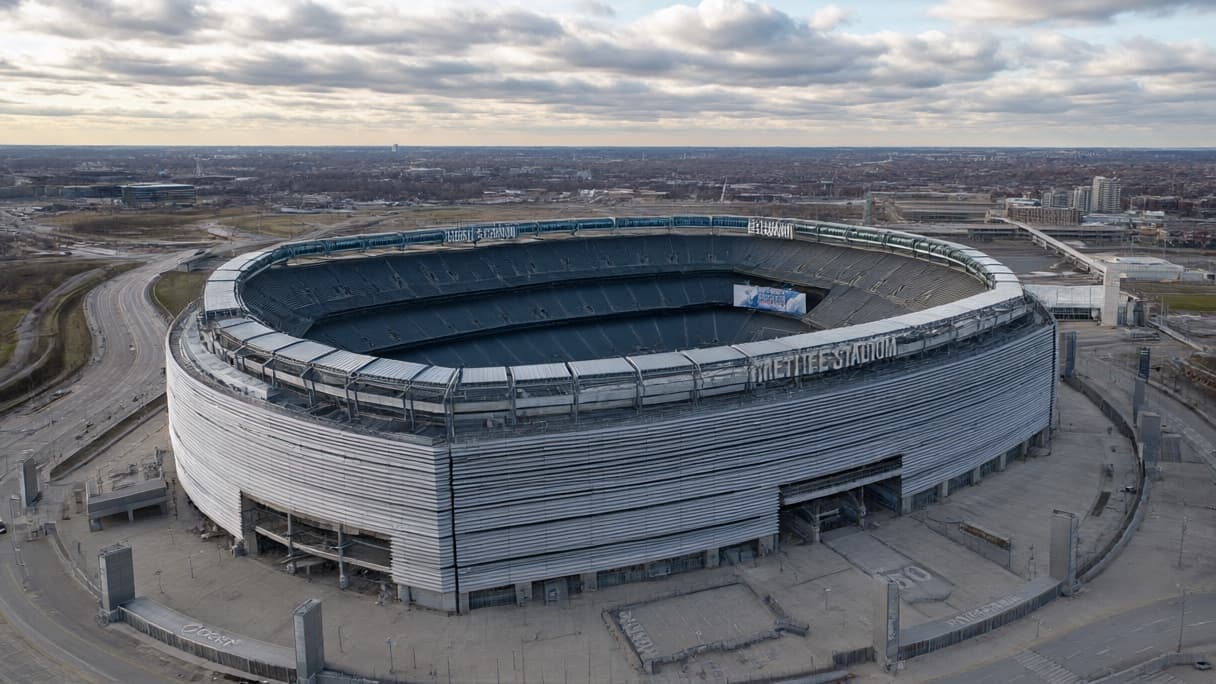
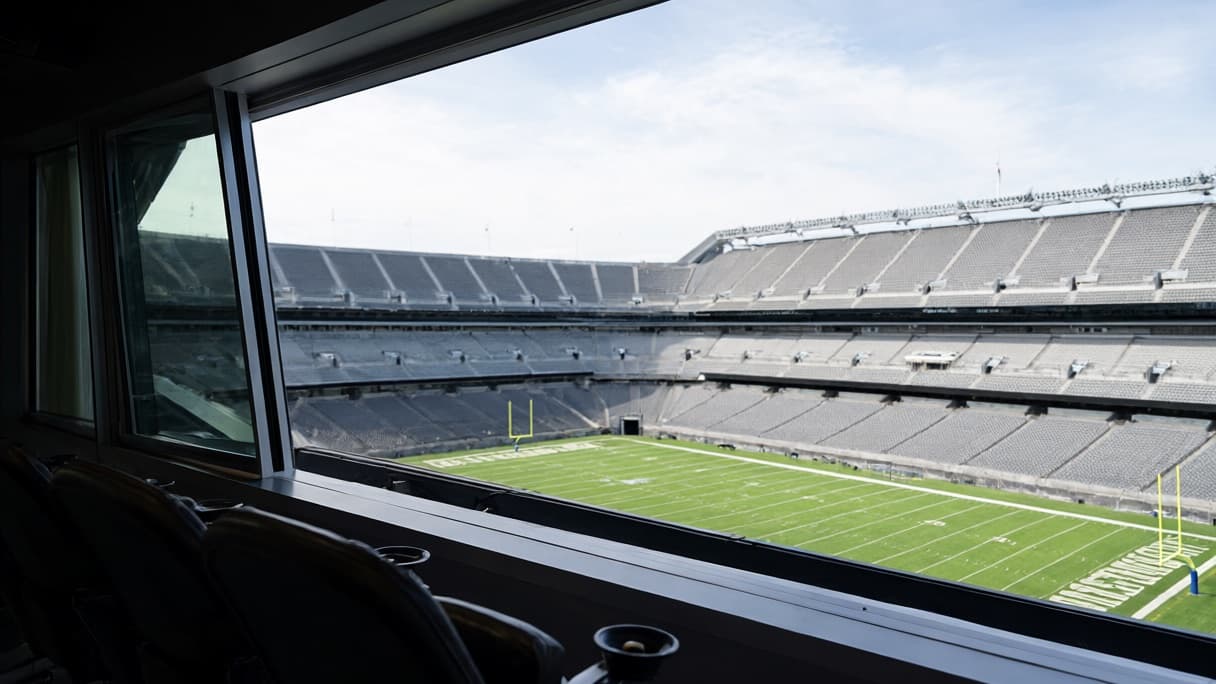
By swapping the Eagles-Steelers matchup for a surging New York Giants squad, broadcasters are prioritizing short-term viewership spikes over scheduled assets.
By onboarding a disgraced NFL insider, the offshore sportsbook is executing a classic media-rights play: acquiring high-reach talent at a valuation discount to drive platform traffic.
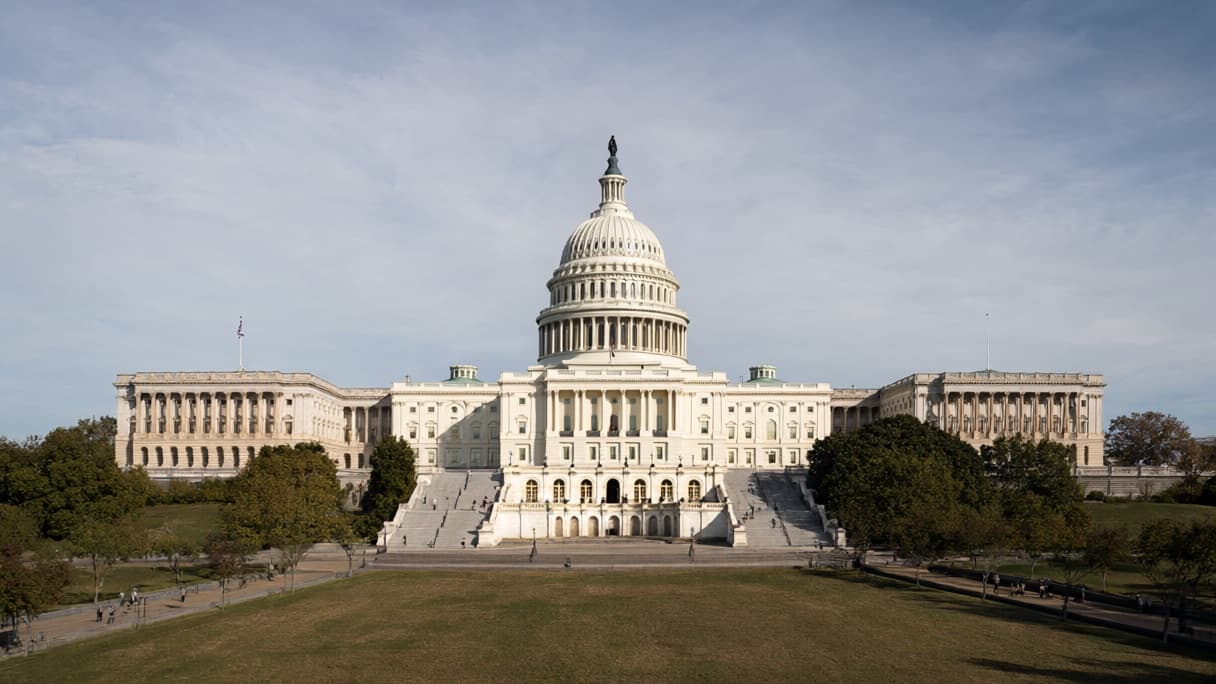
Despite heavy Republican investment from team owners, Democratic victories in the midterms maintain the status quo on stadium subsidies and gambling regulation.
By stacking a Wednesday-through-Saturday slate of college football, CBS Sports Network is executing a textbook play to maximize viewership windows and leverage carriage value.
OPINION: By courting investment banks and eyeing a multi-billion dollar valuation for 'USOPV,' the USOPC is treating the national brand as a distressed asset to be monetized ahead of LA28.
By delaying the kickoff window for Oklahoma State and Texas Tech, the conference is treating its schedule like a dynamic term sheet to maximize viewership value.
Indianapolis claims they aren't shopping Jonathan Taylor, but the lack of a guarantee to the star back suggests a high-leverage play for a liquidity event.
A $100 million commitment to Mexico's professional football league suggests a strategy to monetize existing NFL demand through professionalization and media rights.
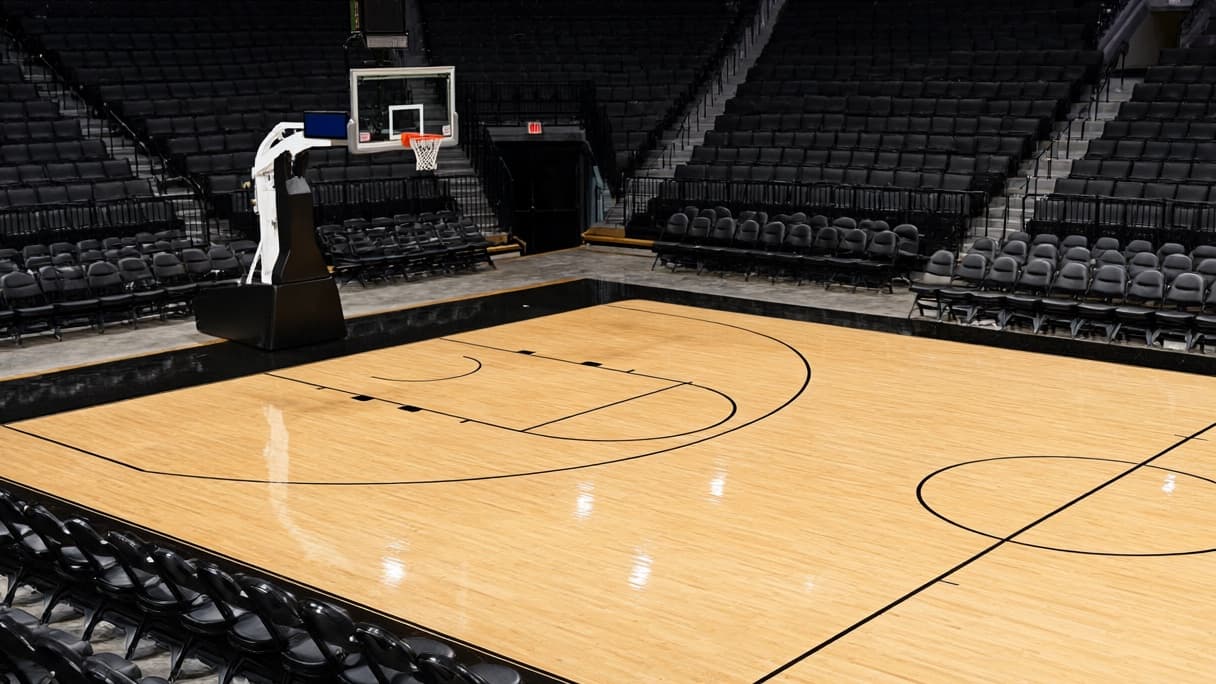
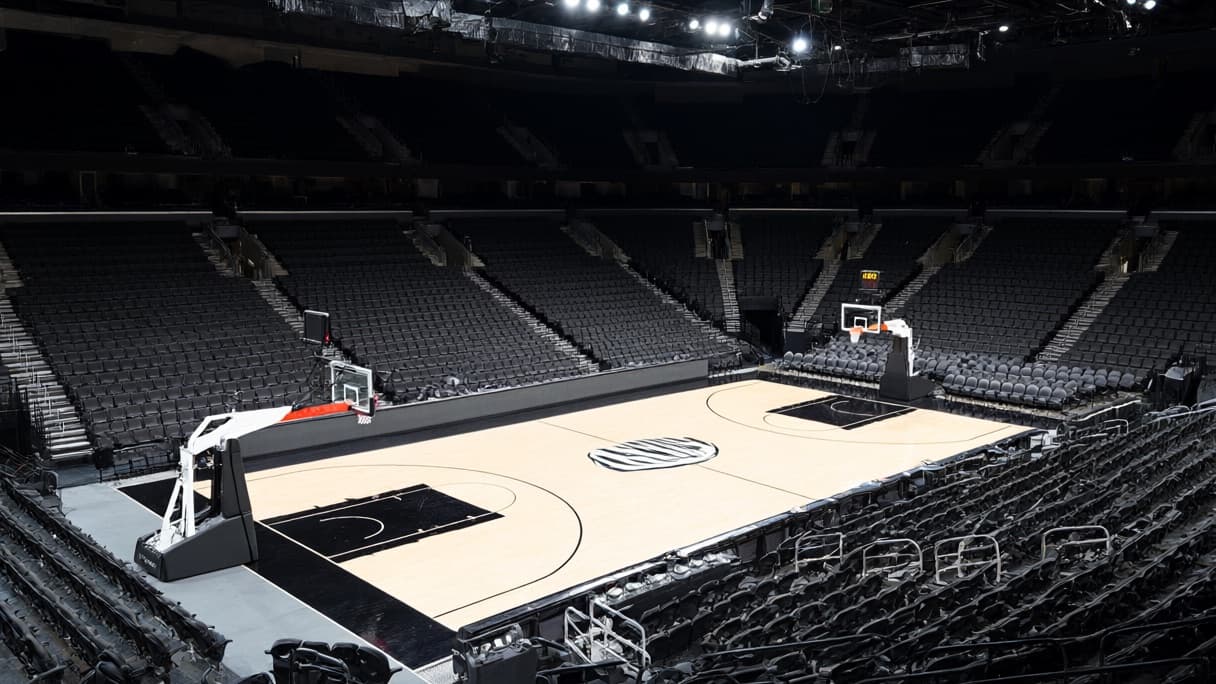
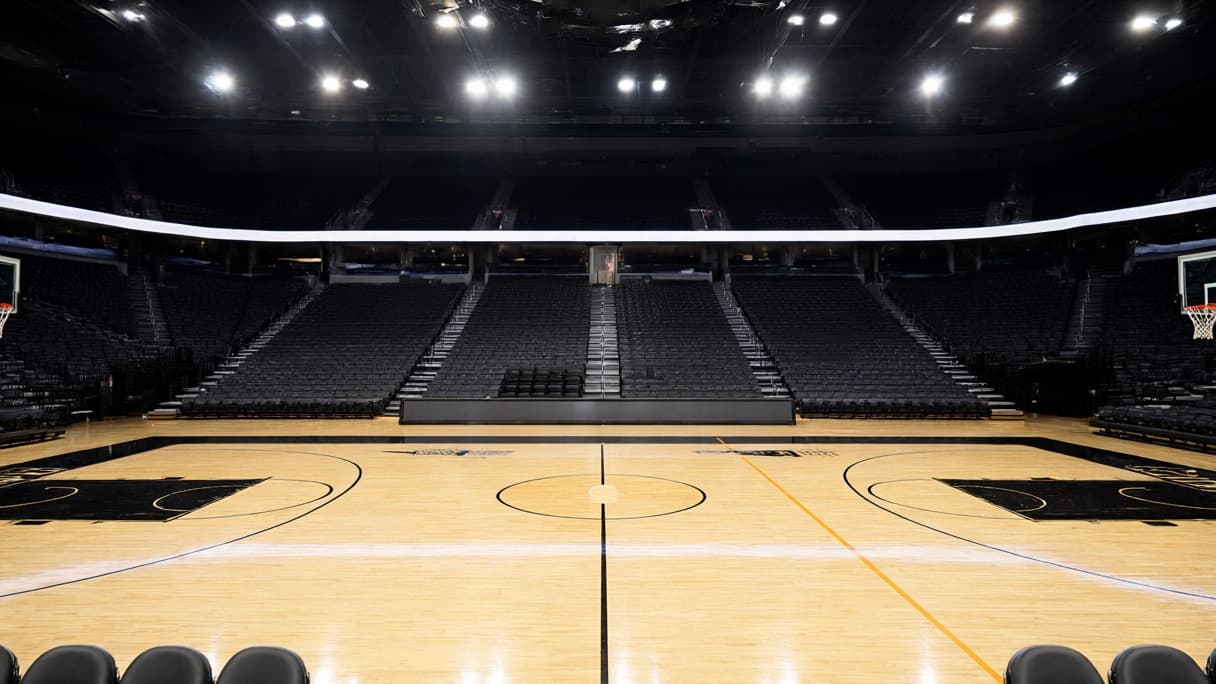
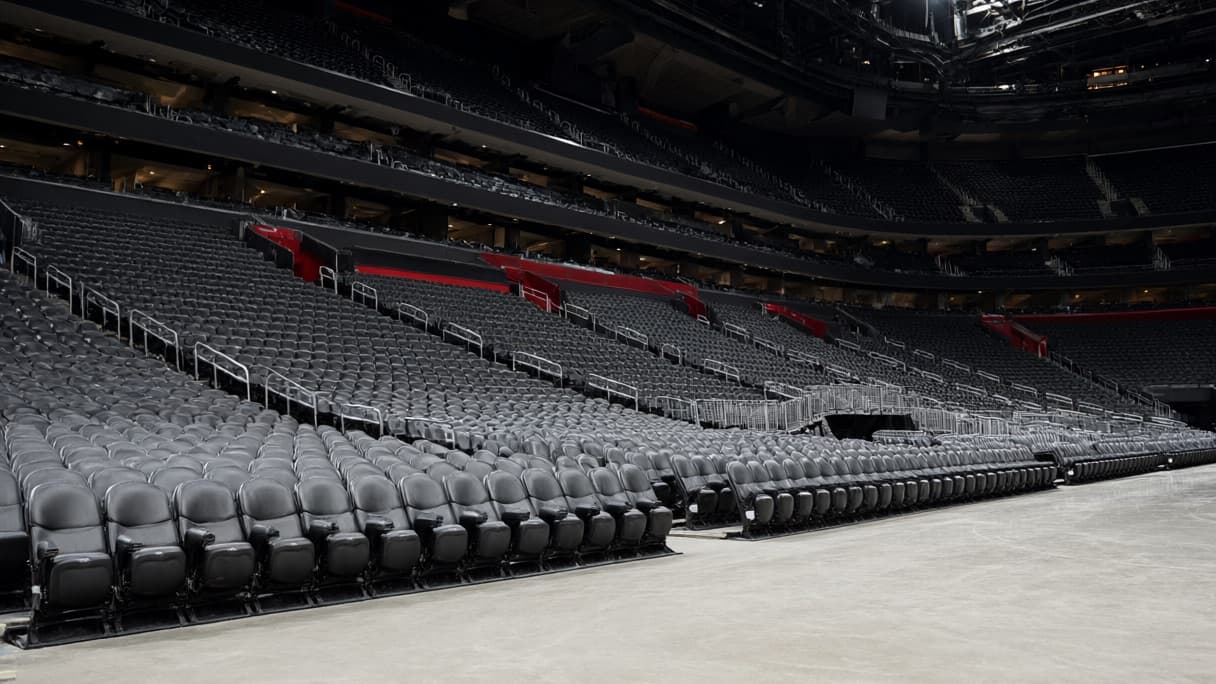
Moving a championship series game to a mid-day Thursday slot due to arena logistics risks undermining the peak-value delivery of the league's premier asset.
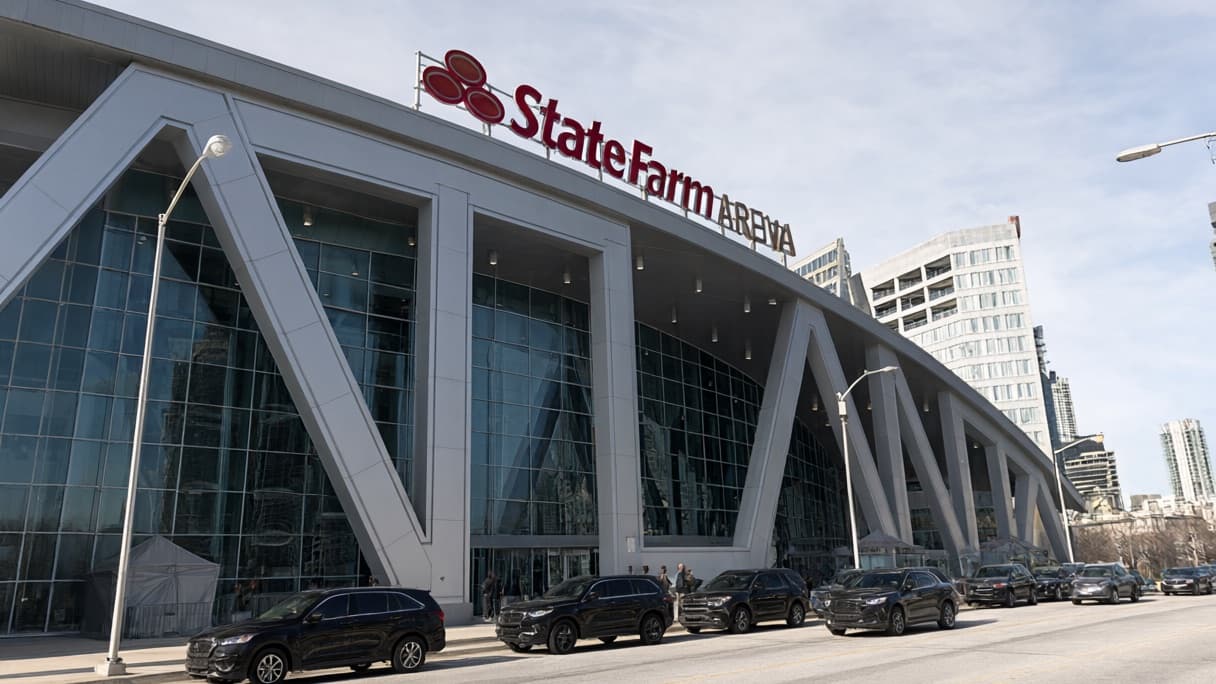
The WNBA's decision to move Game 6 of the Finals to Atlanta highlights the strategic leverage of multi-sport anchor tenants in maximizing asset utility.
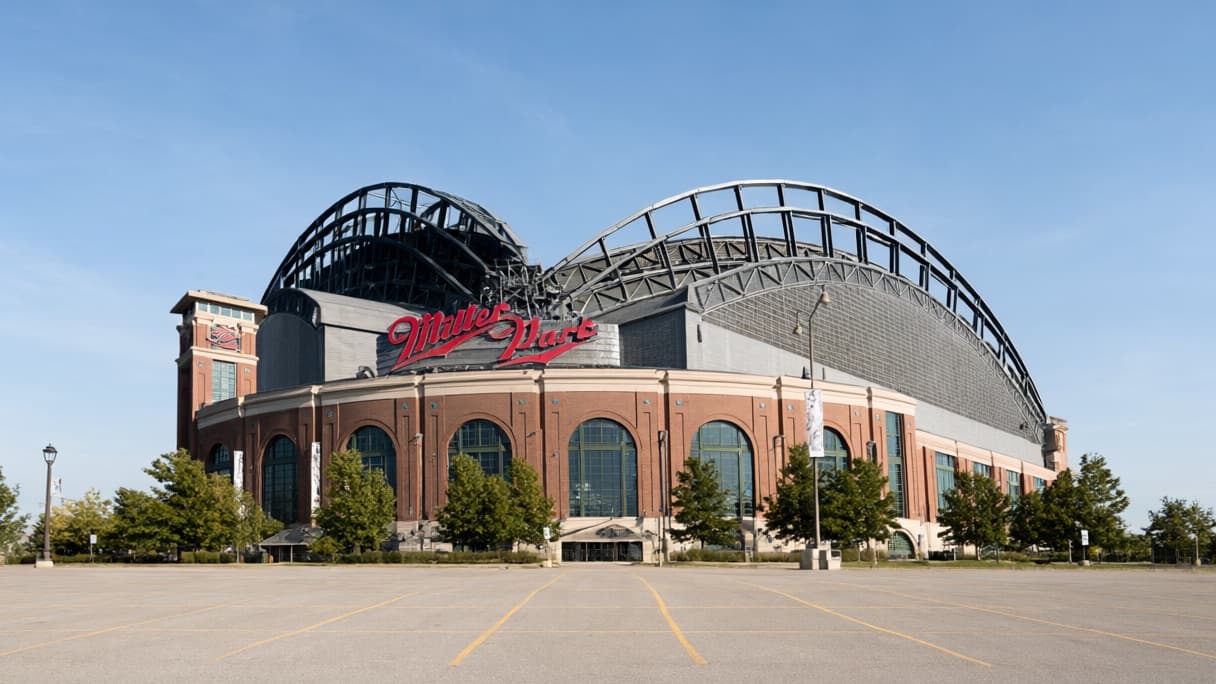
Record-breaking ticket prices at American Family Field versus the relative affordability of Tropicana Field reveal how drought-driven demand overrides stadium revenue optimization.
Opinion: While the marquee matchup promises a clash of titans, the real story is whether the league's fragmented streaming model can sustain premium pricing.
OPINION: Offering a free trial for one of soccer's biggest matches isn't about generosity—it's a strategic migration play ahead of future rights cycles.
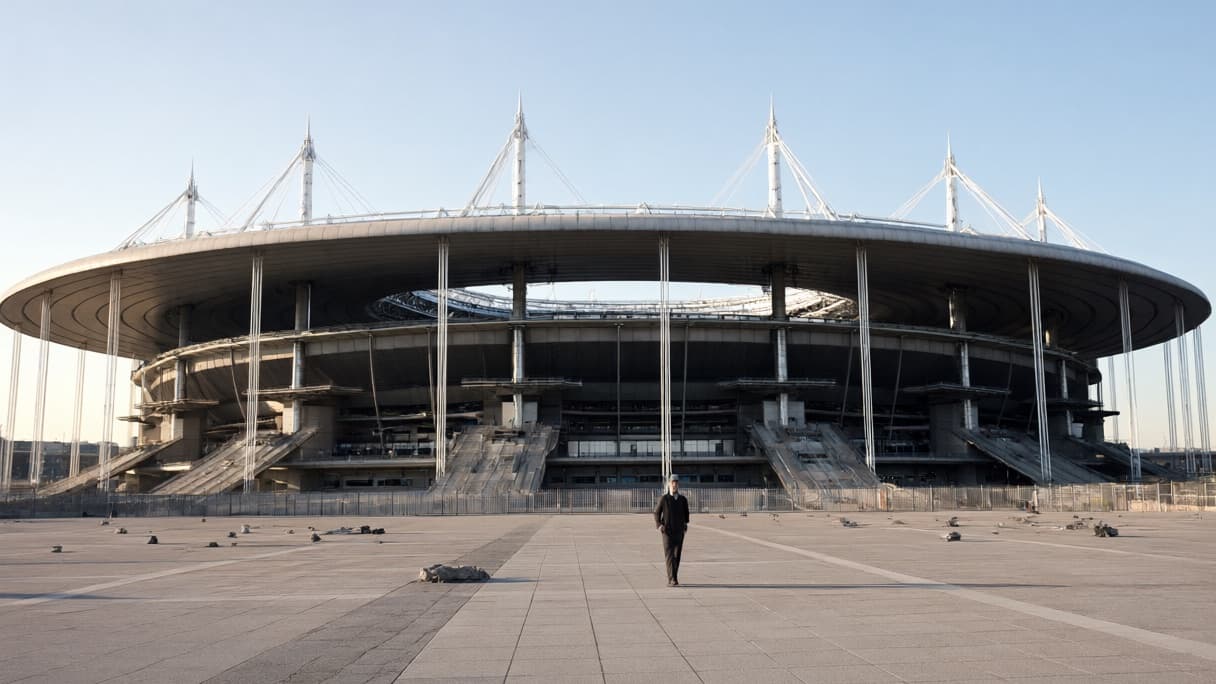
A Sunday morning clash at Stade de France is less about the New Orleans Saints' defensive woes and more about the league's strategy to monetize fragmented international windows.
As high-major spending nearly doubles in a single year, the sport shifts from student-athlete stipends toward a professionalized, cap-driven financial model.
As ESPN secures Joe Buck with a $108 million extension while letting Troy Aikman walk, the rupture highlights a tension between legacy brand equity and a fragmenting media landscape.
As the Premier League navigates a complex global streaming landscape, the specific scheduling of match-day windows remains the primary lever for rights escalation.
A former ESPN producer's exit highlights the structural conflict that arises when a rights holder transforms from a reporter of the game into a venture partner with the gambling industry.
OPINION: By leaving a significant portion of the country in the dark for the August 16 preseason clash, the NFL is exposing a critical flaw in its broadcast windowing logic.
The conference's decision to leave seven games—including the Colorado showdown—as 'six-day designations' signals a strategic wait for maximum TV leverage.
The Colorado coach supports legislation that would implement commercial valuation requirements for athlete endorsements and restrict transfer flexibility.
As Argentina faces Benin in Lionel Messi's farewell match, the sporting narrative is secondary to the rights holder's objective: extracting maximum value from a departing asset.
Critics paint James Dolan as the villain in the Karl-Anthony Towns extension drama, but the math suggests a disciplined effort to avoid a 'suicidal' salary cap breach.
Deion Sanders isn't arguing for fairness; he's pitching a scalable NIL monetization model that transforms athlete IP into a diversified revenue stream.
OPINION: By displacing the usual SEC stronghold in its premier window, ESPN is leveraging the unique brand equity of two independent powerhouses to spark a viewership surge.
OPINION: While CBS and Tony Romo have 'mutually agreed' to part ways following his OWI arrest, the real business story is whether the network can claw back the guaranteed money on a historic contract.
As the Buckeyes travel to Iowa City, the simultaneous broadcast on CBS and Paramount+ serves as a critical case study in whether dual-platform inventory can scale ARPU or simply dilute the viewership core.
By attempting to cap athlete payments while ignoring coach salaries and media rights volatility, the Senate's latest effort treats the symptoms of collegiate instability rather than the disease.
The bipartisan bill seeks to stabilize the industry by establishing payment caps and limiting athlete transfers, while granting the NCAA expanded antitrust protections.
By codifying a fragile revenue-sharing model and seeking antitrust immunity, the Senate's bipartisan bill attempts to freeze a chaotic industry in place before the courts dismantle the remaining power structures.
While proponents frame the Senate's passage of the Protect College Sports Act as a win for athlete welfare, the legislation's core function is to codify a stable legal framework that protects the long-term value of collegiate sports assets.
While fans track rankings and upsets, the expanded College Football Playoff is fundamentally a strategic move to maximize high-margin windows and escalate future media rights fees.
By leveraging the 'youth sports industrial complex' through 'Team Moms: Baseball,' Paramount Skydance is transforming high-cost athletic hothousing into low-cost reality entertainment.
College football's high-stakes matchups are spread across a sprawling array of linear channels and streaming silos, prioritizing tiered access over centralized viewing.
The league's fragmented scheduling of teams like the Atlanta Falcons across various windows signals a broader shift toward platform-agnostic monetization.
By blending the 'Real Housewives' aesthetic with the high-stakes world of travel baseball, Paramount Skydance is turning the youth sports industrial complex into a high-margin content vertical.
With Steve Ballmer and key executives sidelined, the franchise installs a trial attorney as interim governor to navigate a league-mandated compliance era.
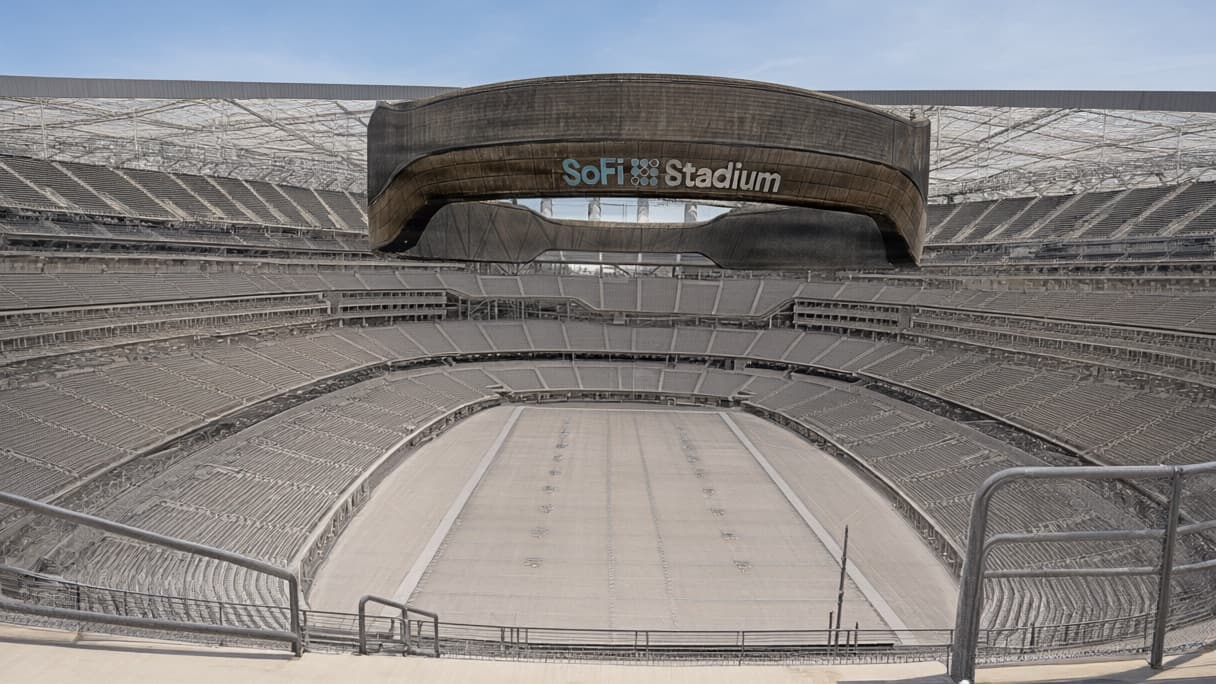
By pairing a surging New York market with a high-profile Los Angeles brand, the NFL is optimizing the MNF window to maximize network reach and future broadcast leverage.
By extending 'Friday Night Baseball' into 2026, Apple TV is prioritizing targeted, rivalry-driven windows over the broad-reach model of traditional broadcasting.
By easing independent probation and setting a 2031 expiration date on expansion limits, the Protect College Sports Act may inadvertently signal the start of a predatory realignment phase.
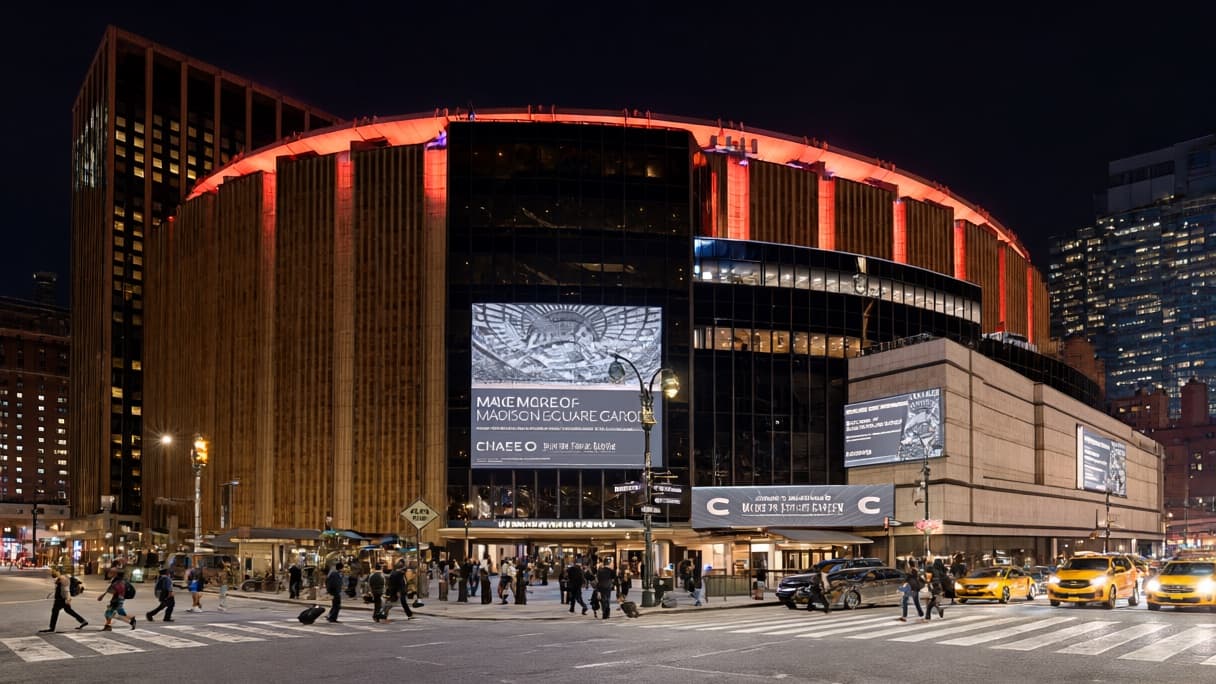
Madison Square Garden calls the $1,400 season-opener get-in price a 'mistake,' but the data suggests a calculated probe into the Knicks' price elasticity following their first title in 53 years.
By leveraging Sydney Sweeney as a strategic partner, the prediction market firm is executing a textbook customer acquisition strategy targeting young men through calculated outrage.
By backing the Protect College Sports Act, Nick Saban and Deion Sanders are pushing for a federal framework that codifies revenue sharing and secures a critical antitrust exemption to shield the NCAA from constant litigation.
A high-cost bet on fragmented distribution continues as Apple TV maintains its exclusive Friday night doubleheader, testing the limits of streaming viewership without a linear anchor.
As the Women's Pro Baseball League heads into the 2026 playoffs, the league's media rights approach serves as a critical indicator of its long-term scalability.
The network is utilizing a high-friction, personality-driven panel to differentiate its soccer coverage and maximize the value of its rights acquisition.
Opinion: By leaning into the 'sibling-like' volatility of its studio panel, CBS is pivoting the Champions League from a niche sports broadcast into a high-engagement personality product.
Beyond the matchups, the league's aggressive expansion into international markets and non-traditional time slots reveals a strategic push to maximize value for streaming partners like Netflix, Amazon, and Paramount+.
As the regional sports network model wavers, Chicago's shift toward national exposure—however incremental—reflects a broader strategic pivot in media rights distribution.
As the league eyes its next media rights cycle, the search for a new leader looks less like a basketball operation and more like a corporate branding exercise.
The chaos surrounding LSU is not an isolated incident, but the predictable outcome of a fragmented collegiate model unable to manage modern athlete dynamics.
By adding MLB to his Southern California footprint, Stan Kroenke isn't just buying a baseball team—he's building a multi-sport media and real estate powerhouse.
OPINION: By stripping Tennis.com of its distinctive voices to prioritize raw data and gambling-adjacent content, Sinclair Broadcast Group is sacrificing long-term subscriber loyalty for short-term corporate efficiency.
OPINION: The shift from Xfinity to O'Reilly Auto Parts for the series naming rights suggests a strategic recalibration of how NASCAR leverages its developmental tier.
Missouri head coach argues failure to pass the Protect College Sports Act has left the industry without a functional framework for labor and eligibility.
The broadcaster is set to extend its live coverage of the tournament through 2030, leveraging a tennis audience that is disproportionately female compared to its general viewership.
A seven-person CBS Sports panel excludes the Tigers from the top three of their conference predictions, signaling a shift in the program's perceived elite status.
The SEC and Big Ten have implemented aggressive bans on former professional athletes as LSU tests the legal limits of the current collegiate structure.
OPINION: MLB's decision to keep 'Friday Night Baseball' exclusive to Apple TV for 2026 tests whether a tech giant can drive linear-style viewership through a paid subscription wall.
Opinion: Between a plummeting professional reputation and a high-profile OWI arrest, Romo's record-breaking contract has shifted from a strategic asset to a brand liability.
With Tony Romo on indefinite leave following an OWI arrest, CBS Sports faces a critical calculation regarding a record-breaking contract and a diminishing return on talent.
Opinion: By integrating the EFL Championship into the Paramount+ and CBS Sports ecosystem, the network is positioning the second tier as a strategic lead-in for future Premier League valuation.
Apple TV enters preliminary talks with the R&A for the Open Championship, signaling a shift toward premium sports properties as NBC's current deal nears its end.
Amazon founder Jeff Bezos and Facebook co-founder Eduardo Saverin join Amit Bhatia in a deal for 30% of the club, signaling a strategic pivot for the tech mogul into football equity.
Amazon founder Jeff Bezos and Facebook co-founder Eduardo Saverin join Amit Bhatia in a high-leverage equity play for one of the Premier League's most globalized assets.
A massive refinancing deal with Apollo Sports Capital and a record-breaking Padres sale highlight a surge in franchise values as owners push for a salary cap.
Following a costly MLS failure and a recent Formula One win, Apple is eyeing a bid for the Open Championship as the R&A prepares for a 2027 tender process.