
The Milwaukee-Tampa Delta: A Case Study in Championship Market Volatility

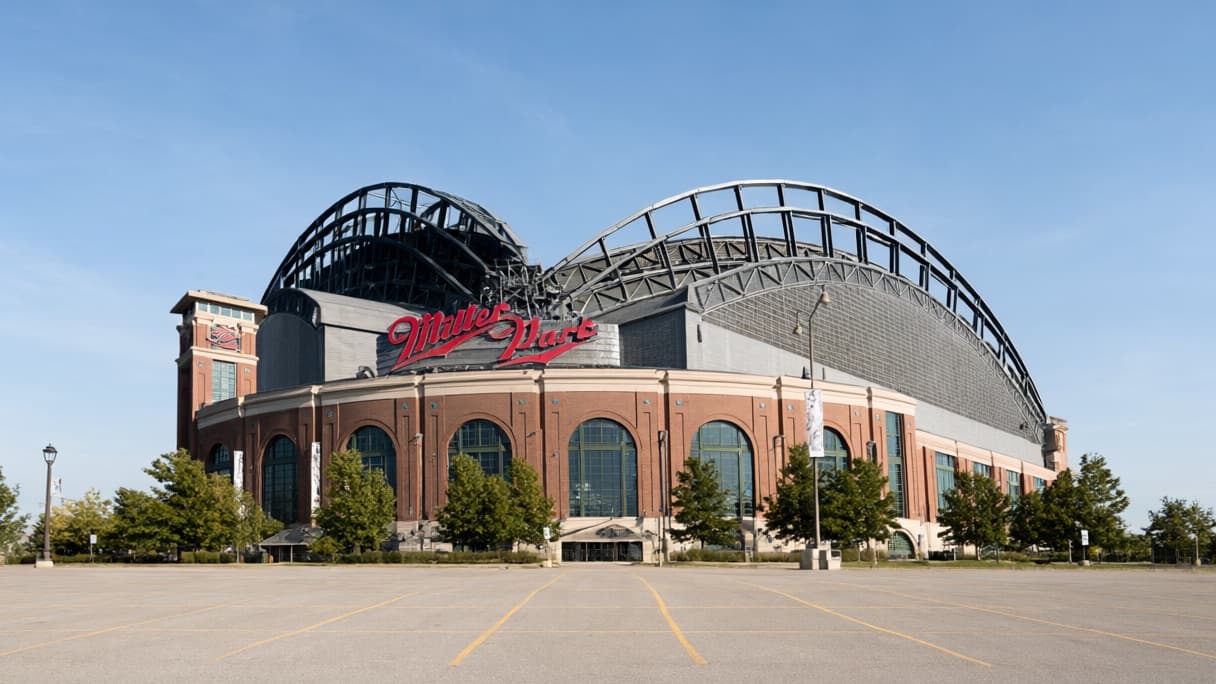
AI-generated image · US National Wire
Record-breaking ticket prices at American Family Field versus the relative affordability of Tropicana Field reveal how drought-driven demand overrides stadium revenue optimization.
In the business of sports rights and live-event monetization, the 2026 World Series presents a stark divergence in market valuation. As Sports Illustrated first reported, the pricing delta between games hosted by the Milwaukee Brewers and the Tampa Bay Rays is not merely a reflection of supply and demand, but a case study in how prolonged championship droughts create volatile secondary market premiums that defy standard venue optimization.
According to reporting from Sports Illustrated, get-in prices for the Brewers' first World Series appearances since 1982 have reached unprecedented heights. Ticket Data reports that the get-in price for Game 1 at American Family Field was $2,338, while Game 2 followed closely at $2,269. These figures represent the highest cost for a World Series ticket in MLB history, surpassing the previous record of $1,809 set during Game 4 of the 2016 series between the Cubs and Guardians at Wrigley Field.
The disparity is most evident when comparing the Milwaukee market to the Rays' home at Tropicana Field. Sports Illustrated notes that the entry price for Game 3 in St. Petersburg starts at $552. This creates a scenario where a fan could potentially save over $1,500 by flying to Florida rather than attending a game in Milwaukee.
From a revenue mechanism perspective, the Milwaukee pricing is particularly aggressive given the lack of guaranteed seating. Sports Illustrated reports that the get-in costs at American Family Field are for standing-room tickets. For those seeking actual seats, the Milwaukee Journal Sentinel reports that lower-level tickets for Game 2 were trading at approximately $3,730. Prospective tickets for Games 6 and 7 in Milwaukee are also currently listed above $2,000.
This volatility is driven by the length of the drought. The Brewers have not appeared in a World Series in 44 years, whereas the Rays appeared as recently as 2020 (though that series was held at Globe Life Field in Texas). This pattern mirrors other high-stakes sports markets; Sports Illustrated compares the Brewers' pricing to the 2026 NBA Finals in New York, where the Knicks—also ending a lengthy drought—saw get-in prices start at $3,400, compared to just under $1,000 at San Antonio's Frost Bank Center.
While the $552 get-in price at Tropicana Field is significantly lower than in Milwaukee, it remains high relative to recent history. Ticket Data indicates that all five games of the 2023 World Series between the Rangers and Diamondbacks featured cheaper get-in prices, with none exceeding $523. Additionally, USA TODAY reports that Stanley Cup get-in prices at the Lenovo Center and T-Mobile Arena were $830 and $666, respectively—both higher than the current Game 3 entry point in Tampa.
**Opinion:** The current pricing structure suggests that the secondary market is no longer reacting to the intrinsic value of the venue or the game, but is instead pricing in the 'emotional scarcity' of the event. When a team breaks a four-decade drought, the ticket becomes a once-in-a-lifetime asset rather than a sporting event, leading to a total breakdown of traditional price optimization.