
The Power Wall: Why Microsoft Walked Away from the UK's Largest AI Supercomputer

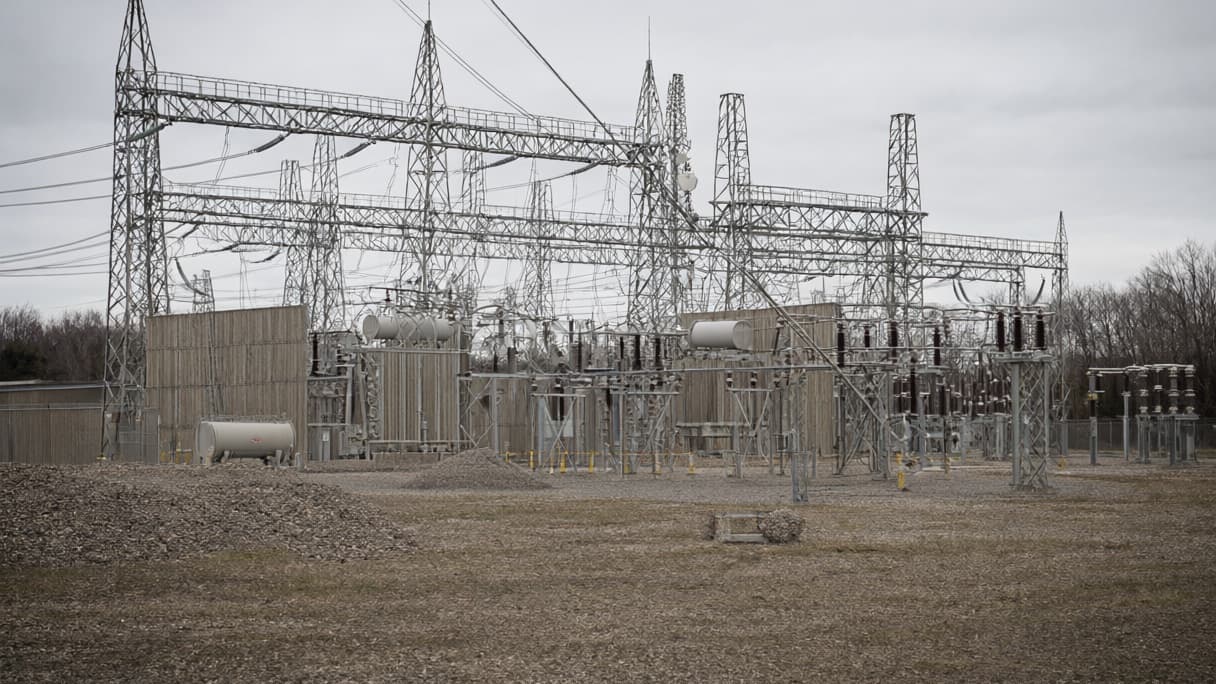
AI-generated image · US National Wire
The collapse of a flagship Essex project reveals a stark reality: cutting-edge GPUs are useless without a modernized power grid.
Q: What happened to the planned AI supercomputer in Loughton, Essex?
A: Microsoft has terminated its agreement with Nscale, a British AI infrastructure startup, to build what was intended to be the UK's largest sovereign AI datacenter, as The Register first reported. According to reporting from The Telegraph, Microsoft pulled out of the project because the site faces critical electricity shortages. While the facility was slated to begin operations in 2027, reports indicate the grid may not provide sufficient power until the early to mid-2030s.
Q: What were the technical specifications of the proposed facility?
A: When the deal was first announced in September 2025, the project aimed to house 23,040 Nvidia GB300 GPUs. The facility was designed as a 50MW site with the potential to expand to 90MW. Microsoft intended to utilize this massive compute power to fuel its Azure cloud services, with the first chips scheduled for arrival in early 2027, as reported by The Register.
Q: Why is the electricity connection taking so long?
A: The bottleneck appears to be a systemic issue with the national infrastructure. A spokesperson for UK Power Networks told The Register that while many datacenters can connect to the distribution network, they are often stuck waiting for works on the national transmission network, which UK Power Networks does not own. This is compounded by a massive surge in demand; Ofgem noted that requests for new connections jumped from 41GW to 125GW in less than a year, with datacenters representing at least 80GW of that demand.
Q: How did the UK government factor into this project?
A: The Loughton project was a centerpiece of a £22 billion UK investment announcement made by Microsoft in September 2025. The government promoted the project as a key part of the nation's AI ambitions, making Microsoft's withdrawal particularly embarrassing given the high-profile nature of the initial announcement.
Q: Is Nscale abandoning the project entirely?
A: No. Nscale told The Register that it remains committed to the UK and the Loughton project. The company stated it is exploring alternative power sources for the site and looking into other expansion locations within the UK. Nscale also noted that its relationship with Microsoft remains strong and long-term, and that the grid issues in London have not affected its other contracts.
Q: Are these grid struggles limited to the UK?
A: No. The Register reports that the US is seeing a similar cooling of public enthusiasm for datacenters, driven by concerns over environmental impacts and electricity costs. In the UK, some developers have attempted to bypass grid delays by turning to gas-powered generation. Additionally, local resistance is growing; for example, residents near Google's Waltham Cross facility raised complaints regarding lighting, noise, and poor consultation during a July public meeting.