
Opinion: Ballot Box Bottlenecks: Local Measures Threaten AI Infrastructure Scale

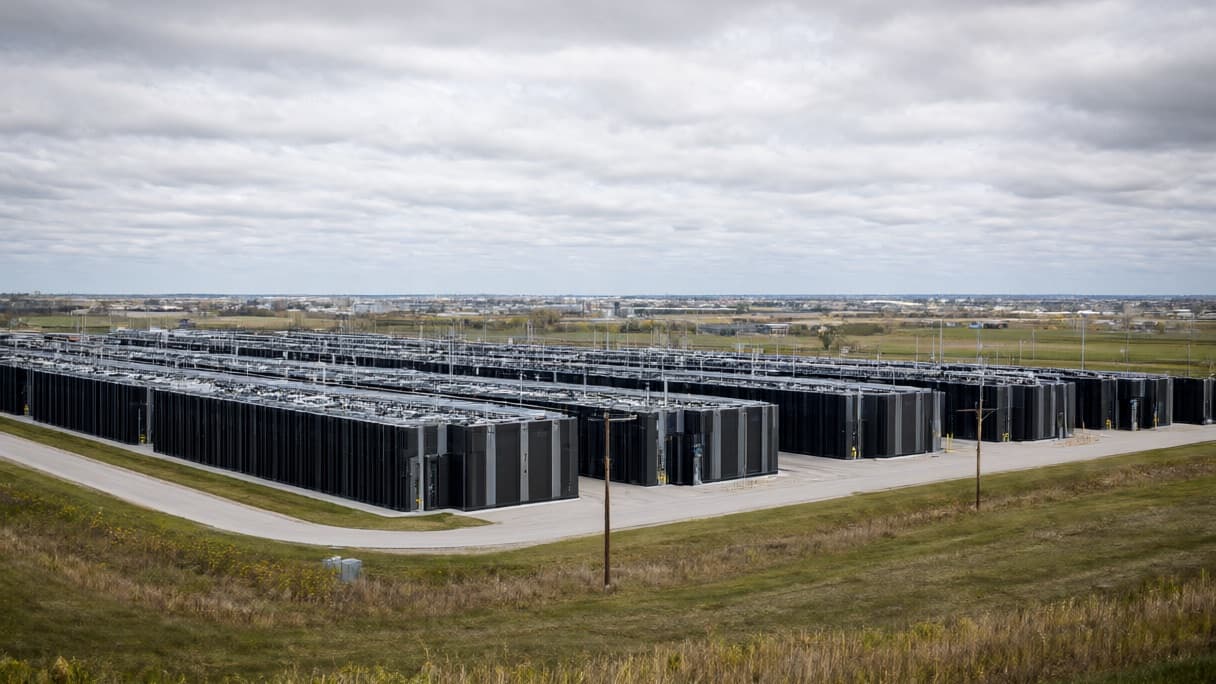
AI-generated image · US National Wire
While national rhetoric dominates the news cycle, a wave of local voter mandates on data center restrictions could choke off the power and land essential for AI deployment.
In the race to scale artificial intelligence, the most significant hurdles may be found in the local ballot box. While national rhetoric dominates the news cycle, the physical infrastructure required for AI—specifically data centers—is facing a localized reckoning.
As TechCrunch first reported, the recent U.S. midterm elections saw voters weigh in on 41 specific ballot measures related to data centers. In all but one of those measures, the majority of voters opted to impose stricter restrictions on data center development.
For the AI industry, these mandates represent a pragmatic crisis. The scaling of large-scale AI models is a land and power challenge; by restricting development, these measures could throttle the energy loads and real estate necessary for next-generation compute clusters.
This trend is reinforced by the political landscape. TechCrunch notes that data centers have become a central talking point for newly elected Democratic governors and members of Congress, many of whom are expected to support further regulation. In response to this friction, TechCrunch reports that OpenAI is already attempting to rebrand the concept of "data centers" to distance the infrastructure from negative public perception.
The era of frictionless expansion is over. The real story of AI scaling will be whether developers can navigate a fragmented landscape of local regulations that view these facilities as liabilities.