
The Ag-Tech Deployment Gap: Why Rugged Software Trumps Fancy Hardware

AI-generated image · US National Wire
A cautionary tale from a Yorkshire dairy farm reveals that the real bottleneck in agricultural technology isn't the equipment, but the failure to build maintainable, secure software systems.
In the race to modernize agriculture, the industry often focuses on the hardware—the sensors, the feeders, and the machinery. But as a recent account shared with The Register illustrates, the true point of failure is rarely the steel; it is the fragile, unmaintained software architecture supporting it.
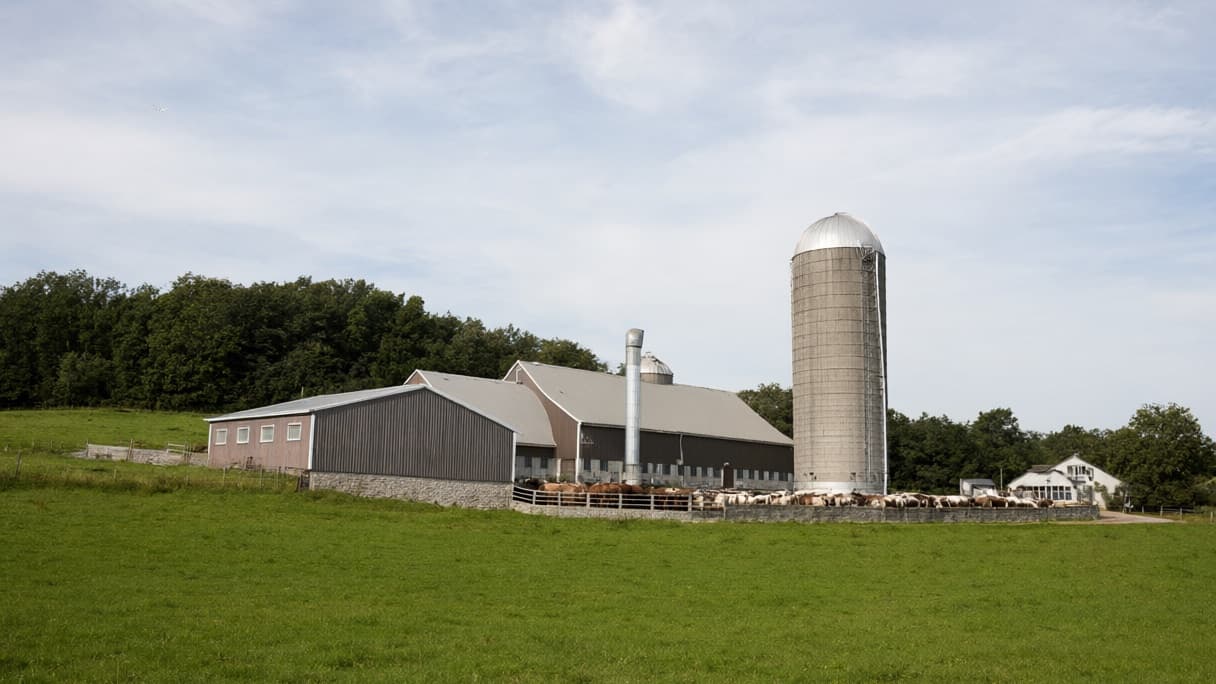
Consider the case of a dairy farm in Yorkshire. As The Register first reported, an agricultural equipment dealer installed a substantial system designed to manage every facet of a herd of several hundred cattle. The software handled critical operations including individual feeding, pregnancy planning, and the measurement of milk yields. It was also responsible for submitting essential data to the government.
On paper, this is the promise of ag-tech: efficiency and data-driven livestock management. In practice, however, the deployment was a technical disaster. A technician identified as "Jason," who was brought in to salvage the system after other support workers failed, found that the entire operation relied on proprietary software running on a single PC. The operating system was Windows XP, which had just reached the end of its mainstream support from Microsoft.
This setup highlights a systemic failure in how clean tech and ag-tech are deployed. The hardware may be capable of feeding cows and tracking yields, but the software environment was fundamentally fragile. Jason reported that the farm had no spare PC and no system of backups. Even more concerning, neither the government nor the software vendor had required the installation of a firewall for a system transmitting production data.
Perhaps the most glaring bottleneck is the human element of maintenance. When Jason asked who was responsible for security patches, he discovered the task had been delegated to the farmer's 14-year-old grandson, who had taken some computer studies at school.
This is the reality of the "deployment gap." We are seeing sophisticated industrial-scale technology placed in environments where there is zero infrastructure for professional software maintenance. When a system is mission-critical—meaning the cows don't get fed or the government doesn't get its data if the PC crashes—relying on a teenager's school knowledge is not a strategy; it is a liability.
Jason was eventually able to get the system working by installing a firewall and making various tweaks, but the incident serves as a broader warning. For ag-tech to actually scale, the industry must move past the "install and forget" mentality. If the software isn't as rugged and maintainable as the tractor it controls, the entire system is just one crashed hard drive away from a total collapse.