
Climate Shifts Threaten Economic Viability of Global Surf Tourism

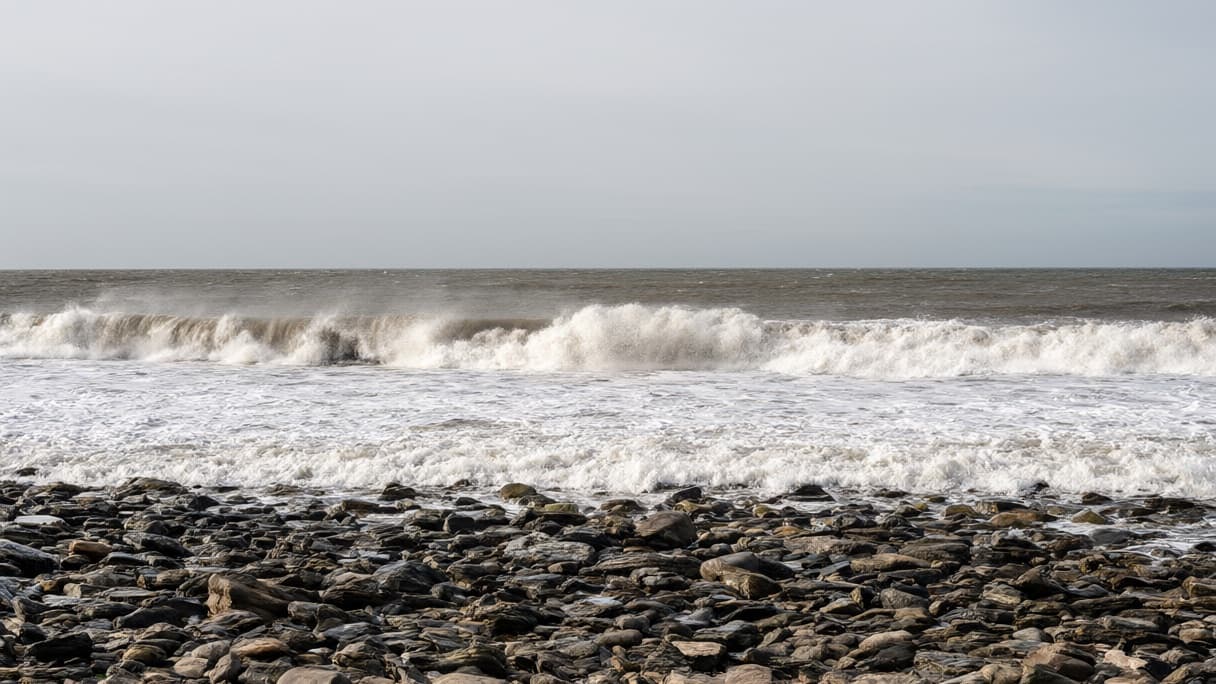
AI-generated image · US National Wire
A new study warns that rising sea levels and coastal development are endangering premier surf breaks and the multibillion-dollar economies they support.
The economic stability of coastal communities dependent on the multibillion-dollar surf industry is at risk as climate change alters the geography of the world's premier waves, Wired reports.
Analysis of dozens of waves within the World Surfing Reserves (WSR) found that over 75% are at high risk due to shifting sands, hardened shorelines, and changing tide levels. According to the study published in the journal *Climatic Change*, these shifts threaten the viability of local economies, cultures, and communities. High-risk locations identified include the Santa Cruz reefs of California (specifically Wind and Sea and Sewer Peak), the point breaks at Noosa in Australia and Oriente Salvaje in El Salvador, and Croyde Beach in North Devon, UK.
Dan Reineman, an associate professor at California State University Channel Islands and study coauthor, observes that the combination of tide, swell direction, and seafloor shape creates a highly sensitive balance. Reineman explains that while natural coastlines can adapt by relocating sediments and shifting inland, man-made developments—including jetties, groynes, and sea walls—reduce resilience.
For these regions, the loss of surf breaks represents a significant financial blow. Adam Hall, a cofounder of the North Devon WSR, told Wired that surfers sustain local pubs, restaurants, and car parks during winter months when other tourist destinations typically struggle.
Trent Hodges, a senior programs manager at the Save the Waves Coalition and study coauthor, suggests that local surfers' knowledge can serve as a "canary in the coal mine" to help protect these assets, as changes to a wave often signal broader changes to the beach.