
The Stranded Asset Trap: How Climate Risk is Devaluing the American Home-Equity Engine

AI-generated image · US National Wire
Once the primary vehicle for generational wealth, residential real estate is facing a projected $1.5 trillion valuation haircut as environmental disasters rewrite the risk calculus for homeowners.
For decades, the American financial playbook has relied on a singular, reliable engine for wealth accumulation: residential real estate. The premise is simple—purchase a home, build equity, and leverage that asset to fund retirement or a child's education. However, as Wired first reported, this traditional path to prosperity is increasingly transforming into a liability as climate-driven disasters accelerate.
From a market perspective, the risk is no longer theoretical; it is a matter of valuation. According to a report titled “Property Prices in Peril” produced by the firm First Street, climate risks are projected to strip nearly $1.5 trillion from the value of American homes by the year 2055. This represents a systemic threat to the home-equity model, turning what were once stable investments into potential stranded assets.
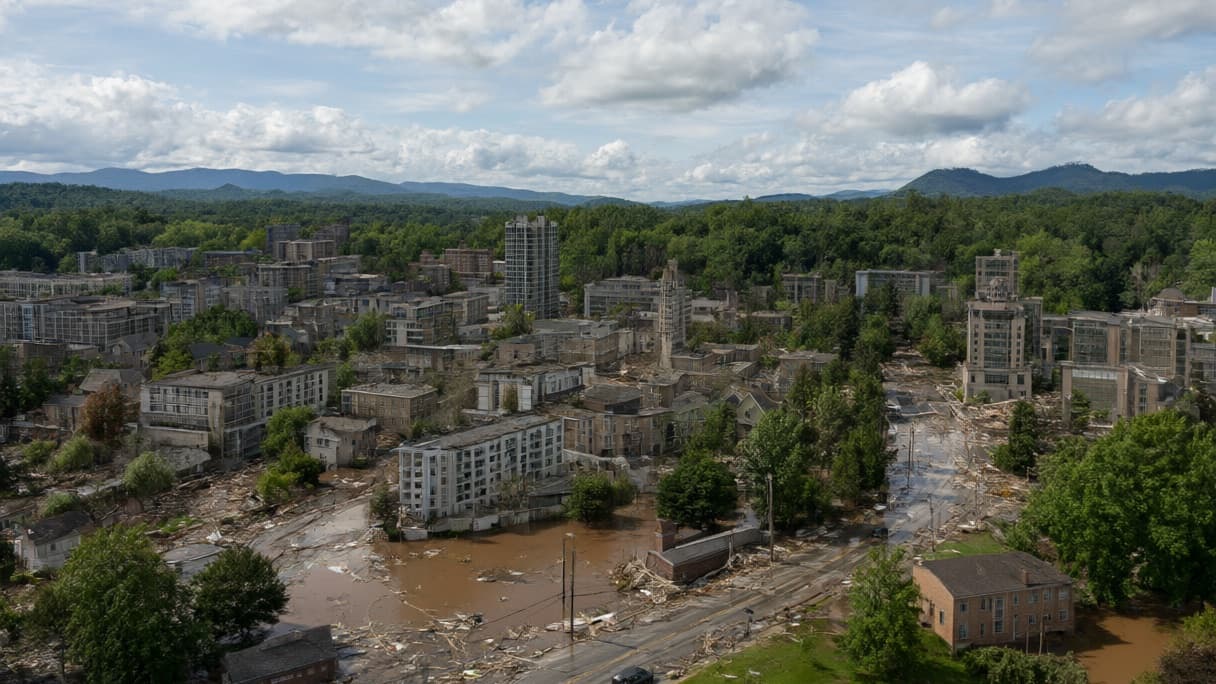
The volatility is already manifesting in the lived experiences of prospective buyers and current homeowners. Wired highlights the case of Sierra Isley and her partner, Jamie, who attempted to purchase a three-bedroom brick home in Asheville, North Carolina, two years ago. While a lien ultimately blocked the sale, the decision proved fortuitous. In September 2024, the remnants of Hurricane Helene devastated Asheville, dropping nearly 14 inches of rain over three days and causing the French Broad River to overflow. The resulting floods destroyed homes and disrupted the town's River Arts District, shattering the perception of Asheville as a “climate haven.”
This shift in geography—where previously "safe" zones are now vulnerable—is fundamentally altering consumer behavior and risk assessment. Isley notes that she now views real estate listings through a "post-disaster lens," avoiding any property located near rivers or streams. Similarly, when considering a move to California for policy reasons, Isley cited the threat of wildfires as a primary deterrent.
Beyond the physical destruction of property, the economic burden is compounding through rising insurance rates and increased costs of living. This anxiety is reflected in broader public sentiment. Exclusive polling conducted for Grist by the think tank Data for Progress reveals that 58 percent of likely U.S. voters feel climate change will make it harder to realize the American Dream in the coming 20 years. This concern spans the political spectrum, including 42 percent of Republicans.
There is a stark irony in the political and corporate narratives surrounding this crisis. Wired reports that oil and gas companies spent a century tying their products to notions of comfort and prosperity. This narrative has been echoed by political leaders; the administration of President Donald Trump has frequently argued that emissions regulations threaten the American Dream. Earlier this year, the Trump administration touted the removal of Biden-era emissions rules for vehicles and the stripping of the Environmental Protection Agency’s authority to regulate climate change as an effort to "restore the American Dream."
However, the data suggests that the fossil-fuel-driven version of prosperity is actively undermining the financial security it once promised. As sociologist Rebecca Elliott observed in the Wired report, for many, the dream of homeownership is transitioning into a nightmare. When the primary vehicle for middle-class wealth is subject to sudden, catastrophic devaluation and uninsurable risks, the traditional American wealth engine doesn't just stall—it becomes a liability.