
The Pentagon's Panic: Prediction Markets as Intelligence Assets

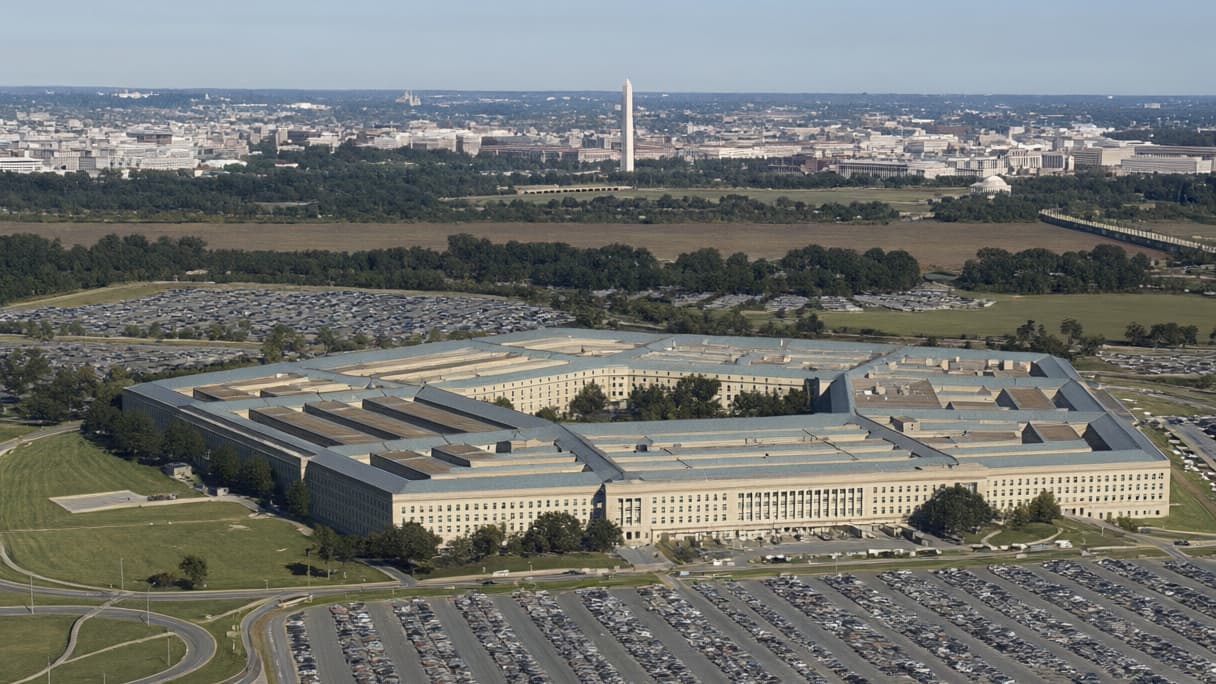
AI-generated image · US National Wire
Defense Secretary Pete Hegseth's crackdown on insider betting reveals a shift in information asymmetry where market signals are becoming actionable intel.
For years, prediction markets were viewed as gambling curiosities. But a recent directive from the Pentagon, as Ars Technica first reported, suggests these platforms have evolved into something far more potent: actionable intelligence assets.
In an October 20 memo published by CBS News, Defense Secretary Pete Hegseth warned military personnel that using nonpublic information to bet on prediction markets could provide enemy nations with critical clues regarding U.S. operations. Hegseth's warning, sent to senior Pentagon leadership and Combatant Command leaders, explicitly states that when Department of War personnel—including civilians, intelligence professionals, or Service members—engage in financial transactions based on military outcomes, they create a signal. According to Ars Technica, Hegseth warns that hostile foreign intelligence services can aggregate and correlate these signals to anticipate timing, targets, and movements.
From a market perspective, the fee—and the profit—is where the truth lies. The Pentagon is now reacting to a reality where the information asymmetry has already shifted. The risk isn't just the individual bet, but the aggregate data. An August report from the Anti-Corruption Data Collective highlighted this shift, identifying 152 suspicious wallets that won a combined $8 million by placing longshot bets on defense and military markets.
Moreover, the human element of the trade introduces operational risk. Hegseth noted in the memo that financial stakes can "warp judgment," citing examples of analysts or logisticians who might develop a personal financial interest in a specific strike date or outcome.
These aren't theoretical risks. Ars Technica reports that in April, a U.S. Army soldier was arrested and charged after using confidential information to secure $410,000 in Polymarket bets regarding the timing of the capture of Venezuelan President Nicolás Maduro. Similarly, The Associated Press reported that the White House issued warnings after new Polymarket accounts placed highly specific bets on a U.S.-Iran ceasefire that resulted in hundreds of thousands of dollars in profits shortly before President Donald Trump announced the deal in April. Even within the administration's inner circle, a teleprompter aide reportedly earned $100,000 on Kalshi by betting on Trump's prepared remarks.
While platforms like Kalshi and Polymarket prohibit insider trading, Hegseth is escalating the deterrent. The memo warns that violations could lead to administrative, disciplinary, or criminal action under federal law and the Uniform Code of Military Justice.
This crackdown arrives as the Trump administration continues to push a light-touch regulatory approach, fighting state-level restrictions by arguing that the Commodity Futures Trading Commission holds exclusive jurisdiction. As these markets grow, the Pentagon's alarm serves as a lagging indicator: the markets are no longer just for gamblers; they are a mirror reflecting the internal movements of the state.