
The Ethernet Bottleneck: Why Your Smart TV is Built to Fail the Wired Test

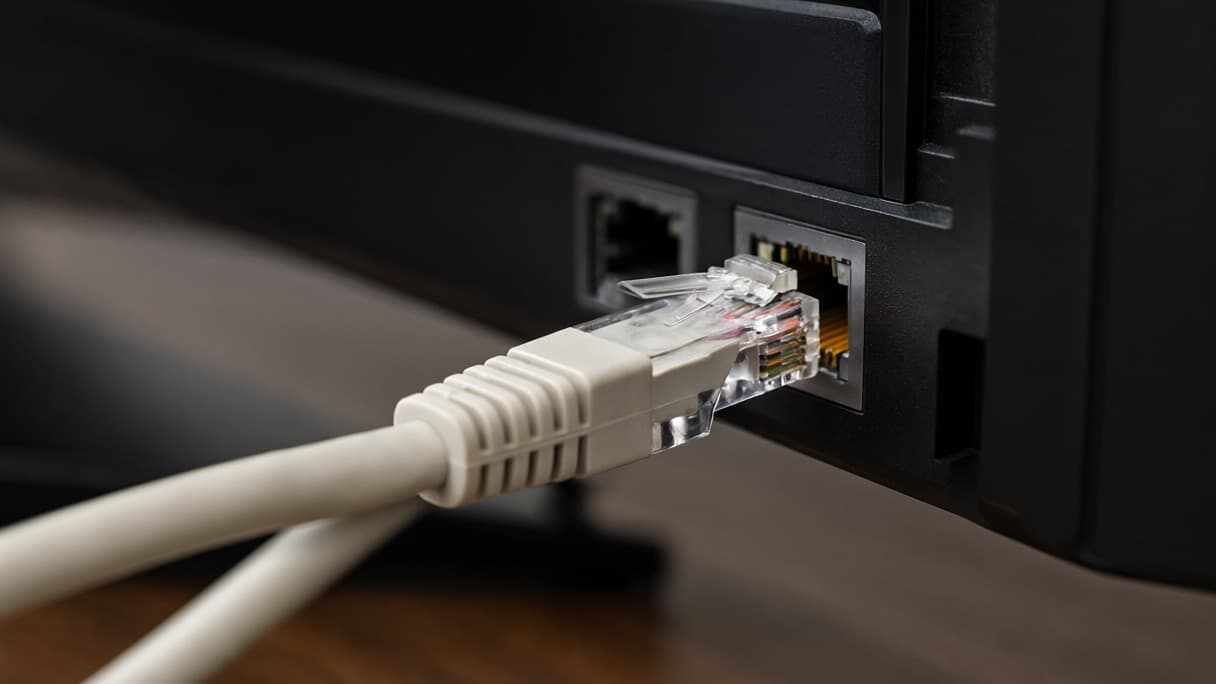
AI-generated image · US National Wire
Manufacturers are capping wired ports at 100Mbps while pushing Wi-Fi 6, forcing consumers into a wireless lottery for stability.
OPINION: Let's call this what it is: a calculated bottleneck. For years, we've been told that wireless is the future, but for the consumer, 'the future' often looks like buffering wheels and unstable connections. Now, we're seeing a disturbing trend where hardware manufacturers are effectively sabotaging the most reliable connection method we have—the Ethernet port—to push us further into proprietary wireless ecosystems.
Reporting from Engadget highlights a frustrating reality for smart TV owners, as Engadget first reported. While many modern televisions are equipped with Wi-Fi 6—which can theoretically exceed gigabit speeds when paired with a compatible router—the physical Ethernet jacks on these same devices are frequently limited to a mere 100Mbps.
As Engadget notes, gigabit Ethernet has been available for decades, yet manufacturers continue to omit it. This isn't a technical limitation; it is, as the outlet describes, a cost-cutting measure. It is the same corporate laziness we see when TVs ship with HDMI 2.0 long after HDMI 2.1 has become the standard. By capping the wired port, manufacturers make the wireless connection look like the only 'high-performance' option, even though Wi-Fi is inherently prone to range issues and signal interference.
The tragedy here is that stability is what actually matters for the user experience. Engadget points out that while a 4K HDR stream (which typically requires 25Mbps or better) doesn't need gigabit speeds, it does need a consistent signal. When Wi-Fi congests—perhaps because a neighbor is torrenting files or your router is tucked behind a couch—the stream buffers or downgrades in quality.
An Ethernet cable, specifically a Cat 6 cable, can deliver 1Gbps over 100 meters and is effectively immune to the interference that plagues wireless bands. By limiting the port to 100Mbps, manufacturers are stripping away the 'gold standard' of connectivity. They are forcing us to rely on mesh systems and extenders to fix a problem that a simple, cheap wire could solve if they just stopped bottlenecking the hardware.
Ultimately, we are being pushed toward a wireless-first world not because it's better for the consumer, but because it's cheaper for the manufacturer and keeps us locked into a cycle of upgrading routers and wireless accessories to maintain a stability that should have been guaranteed by a simple plug in the back of the set.