
The 'Touchscreen Tax': Why You're Paying Twice for Connectivity

AI-generated image · US National Wire
From conductive yarn to $95 leather, the latest touchscreen glove market is just another premium the carriers have conditioned us to pay.
OPINION: Let's be honest about the current state of mobile connectivity. We are already paying a premium to the carriers for the privilege of owning devices that are essential to our daily lives. Now, as the temperature drops, we're being asked to pay yet another 'tax' just to operate those devices without freezing. Why are we paying extra for 'touchscreen fabric' when the hardware itself should be intuitive enough to handle a basic layer of protection?
As Wired first reported in a comprehensive guide, the market for these specialized accessories ranges from budget-friendly options to luxury price points. Simon Hill's testing reveals a variety of solutions for the 'modern dilemma' of staying warm while using a smartphone in 30- to 40-degree Fahrenheit weather.
On the lower end, Wired highlights Glider Gloves, priced at $20 via Amazon. These use conductive copper in the yarn to allow for pinching, zooming, and swiping with any part of the hand. However, the trade-off for the low price is a lack of waterproofing and limited warmth in extreme cold.
For those willing to spend more, Wired points to Cross Point Gear's Waterproof Knit Gloves at $54 (or $55 via Amazon), which utilize a three-layer construction featuring a breathable Artex membrane to block water. Other options include Moshi Digits Touchscreen Gloves for $36, which offer warmth but suffered from fraying and lining separation during testing.
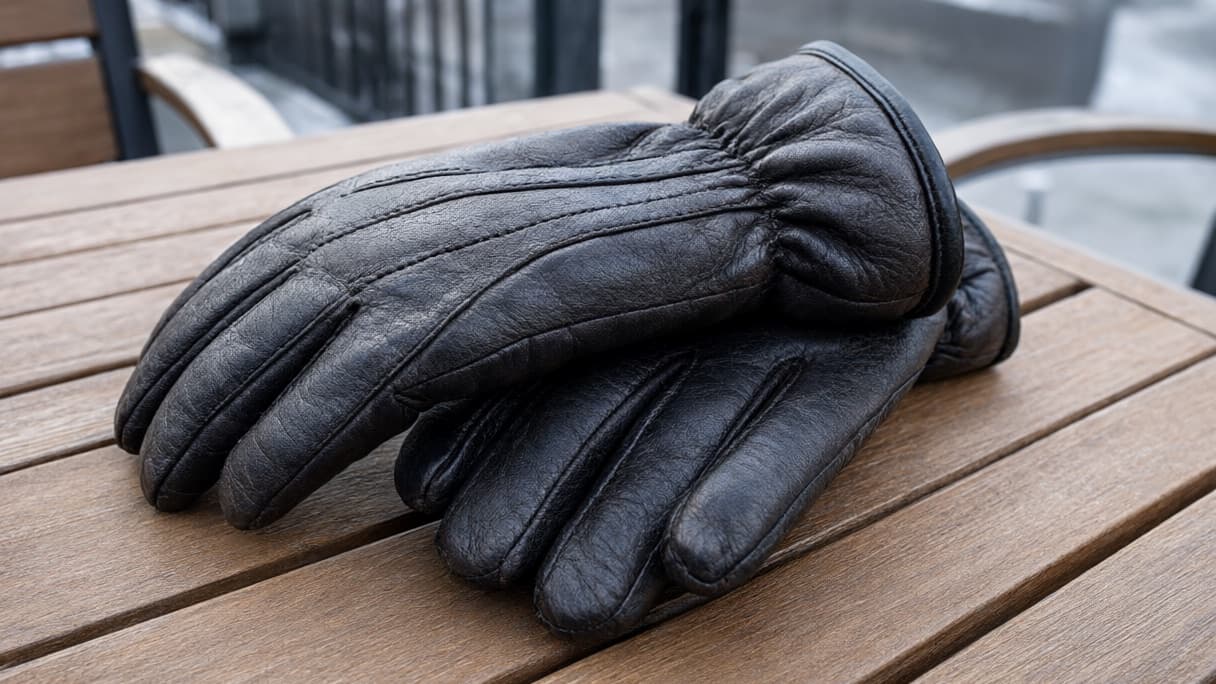
Then there are the luxury tiers. Wired notes that The Heat Company offers Heat 2 Softshell Gloves for $87 (or $88 via B&H), which feature goatskin leather palms and fold-over mitten sections. For those who want a classic aesthetic, Kent Wang offers Deerskin Touchscreen Gloves for $95.
It is absurd that we have reached a point where a pair of gloves can cost nearly $100 just to facilitate a connection with a device we already overpay for. Wired even suggests that users should dive into their phone settings to increase touchscreen sensitivity—on Android via 'Display and touch' or on iPhone via 'Accessibility'—just to make these expensive accessories work more effectively. We aren't just paying for the fabric; we're paying for the privilege of fighting with our own hardware.