
Breaking the Infrastructure Stranglehold: Why the BAAJA is Our Best Shot at Lowering Utility Bills

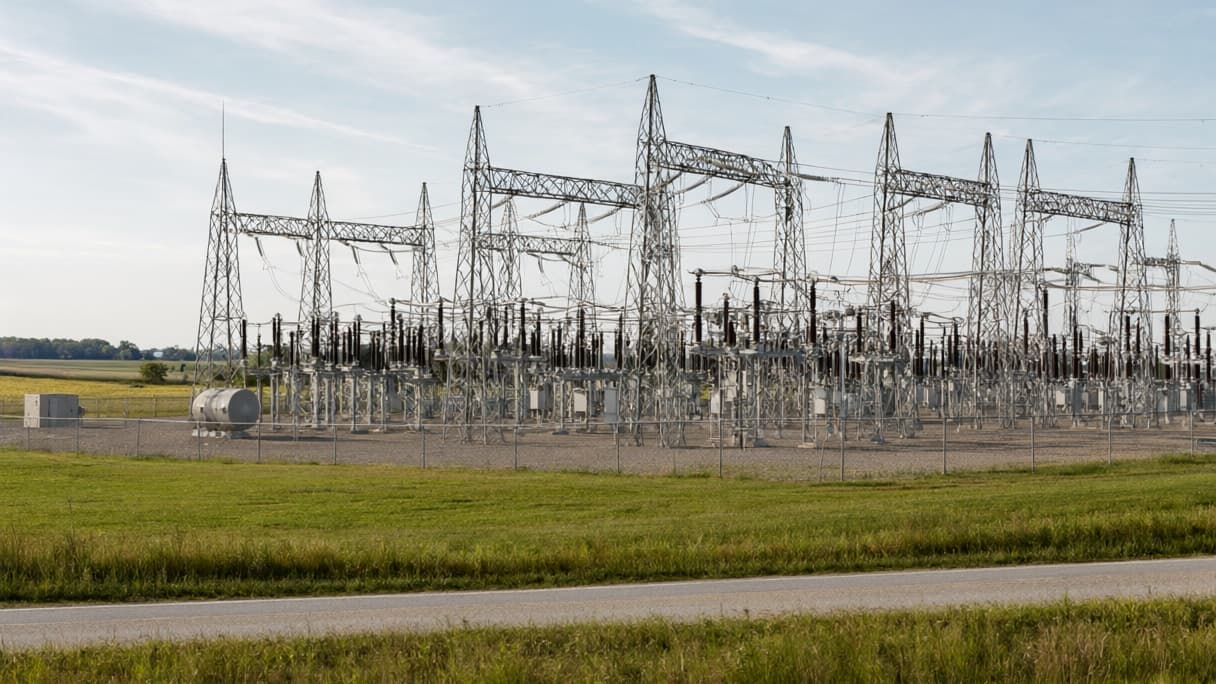
AI-generated image · US National Wire
Opinion: If Congress can push through the Bipartisan American Affordability and Jobs Act, we might finally see an end to the bureaucratic delays that keep energy costs high for consumers.
For years, the average consumer has been trapped in a cycle of rising utility costs and stagnant infrastructure. We are told that the grid is evolving, yet the bills keep climbing. As a tech columnist covering connectivity, I have seen how the carriers and energy providers leverage the slow pace of development to maintain a stranglehold on the market. But for the first time in a long time, there is a tangible path forward that could actually force those costs down.
As first reported by The Verge, this path is the Bipartisan American Affordability and Jobs Act, or BAAJA. This legislation represents a rare moment of bipartisan alignment, having been introduced on September 30th by a group of four senators: Shelley Moore Capito (R-WV), Sheldon Whitehouse (D-RI), Mike Lee (R-UT), and Martin Heinrich (D-NM). If this bill actually delivers, it could be the catalyst we need to break the deadlock on energy infrastructure and finally provide some relief to the American public.
According to reporting from The Verge, the BAAJA is designed to speed up energy projects by reforming the permitting process. The goal is simple: get projects online faster. For the consumer, speed equals affordability. When infrastructure is bogged down in red tape for years, the costs of those delays are inevitably passed down to the people paying the monthly utility bills.
As Xan Fishman, executive vice president of the Energy Program at the Bipartisan Policy Center, told The Verge, bureaucratic processes that started with good intentions have essentially spiraled out of control. We are dealing with a system where reviews that used to take a few months now stretch into years or even decades. Fishman attributes much of this stagnation to protracted legal battles, which force agencies to spend excessive time preparing for lawsuits while considering permitting applications. This doesn't just slow down the transition to clean energy; it holds up all forms of infrastructure development.
From my perspective, this is where the carriers and utility giants thrive. They operate in an environment where the barrier to entry for new, more affordable energy sources is astronomically high due to these regulatory hurdles. By limiting the reach of certain laws from the 1970s environmental movement—laws that protect endangered species and water resources—the BAAJA seeks to strip away the layers of inefficiency that have become a shield for the status quo.
Senator Sheldon Whitehouse, a climate hawk and one of the bill's architects, stated in a press release that passing this bill would "flood the grid with clean, affordable energy" and ensure that data centers begin paying their fair share. This is the crux of the issue. With the explosion of AI, data centers are demanding massive amounts of electricity, putting further strain on a grid that is already struggling. Without reform, the consumer is the one who pays the price for that increased demand.
Of course, there is a cost to this speed. The Verge reports that environmental advocates are concerned that the bill sacrifices caution for the sake of velocity. Christy Goldfuss, executive director of the nonprofit Natural Resources Defense Council (NRDC), warned in an email to The Verge that the legislation could allow data centers to evade public scrutiny and ignore the concerns of local communities, potentially leading to the fast-tracking of gas pipelines or the bulldozing of wetlands.
While those concerns are valid, we have to ask ourselves: how much longer can we afford the current pace? The Bipartisan Policy Center indicates that the Senate could potentially vote to advance the bill as soon as next week, with the possibility of passage before the year concludes. Even the US Oil & Gas Association has thrown its weight behind the effort, stating, "Pass the frickin’ bill so we can start building things again."
There is a political tightrope here. With the sea change following the midterm elections, Democrats may be tempted to delay the bill to extract more concessions from Republicans. However, Fishman indicated to The Verge that President Donald Trump would likely sign the bill if the current Republican-controlled Congress acts, noting that the White House has been "very involved" in the negotiations.
If we want to see utility bills actually drop, we cannot afford another year of "caution" that serves as a euphemism for stagnation. The BAAJA is a gamble, yes, but it is a necessary one. By streamlining the permitting process and reducing the ability of projects to be stalled indefinitely in court, we finally put the pressure back on the providers to deliver affordable energy.
For too long, the infrastructure of this country has been managed by a philosophy of avoidance—avoiding lawsuits, avoiding controversy, and avoiding risk. In the process, they have avoided lowering the costs for the average person. It is time to stop prioritizing the process over the people. If Congress can actually deliver on the BAAJA, it will be the first real shot we've had at breaking the carriers' grip on our infrastructure and bringing some actual affordability back to the American home.