
The Search Volume Sleight of Hand

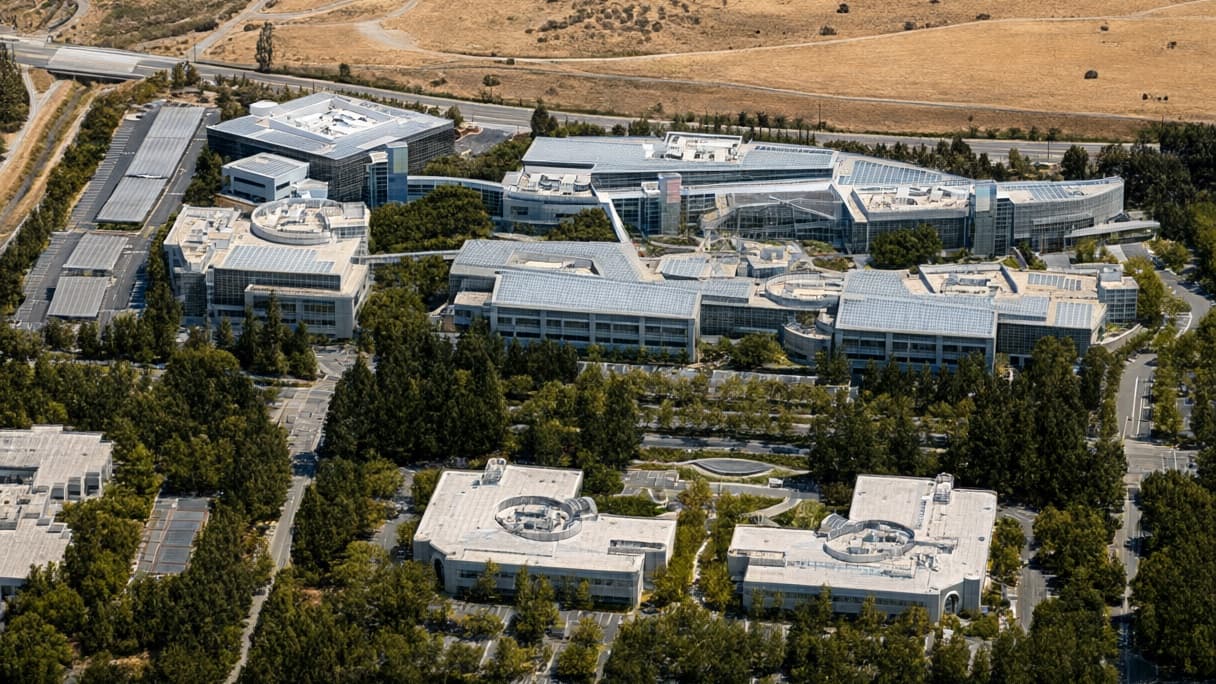
AI-generated image · US National Wire · Based on a photo by Austin McKinley (CC BY 3.0, Wikimedia Commons)
Alphabet is framing a spike in search queries as an AI victory, but the numbers suggest a desperate attempt to mask a fraying core moat.
OPINION: Alphabet is currently engaged in a masterclass of corporate framing. In its Q3 2026 earnings report, the tech giant is attempting to convince investors that its aggressive pivot toward artificial intelligence is the primary engine driving a surge in user engagement. But if you look past the rhetoric, the strategy looks less like a revolution and more like a distraction.
According to reporting from The Verge, as the outlet first reported, Alphabet CEO Sundar Pichai explicitly linked the company's AI investments to a rise in search volume, stating that these investments are driving growth in overall search queries, including those that are commercial. Pichai went as far as to claim that the year-over-year query growth rate is currently at its highest level in five years.
On the surface, the numbers look robust. The Verge reports that Alphabet's consolidated revenues for the quarter hit $127.6 billion, marking a 25 percent increase year-over-year. Within that, the "Google Search & other" segment saw a 12 percent year-over-year revenue bump. Meanwhile, Google Cloud experienced a massive 103 percent year-over-year jump to $30.7 billion.
However, the insistence on highlighting *query growth* is the red flag. For a decade, Google's moat was built on the assumption that it was the default gateway to the internet. Now, as the company frantically rolls out a dizzying array of "AI-first" products—including the Gemini 4 Argon frontier model, the rebranding of NotebookLM to Gemini Notebook, and the expansion of Gemini to over 1 billion monthly users—it is suddenly bragging about basic search volume.
When a company starts celebrating a five-year high in basic activity, it suggests a fear that the baseline is shifting. Alphabet is dressing up the fact that people are still searching as a victory for AI, even though the core utility of search predates the current generative AI hype cycle. By attributing this growth to AI, Pichai is attempting to pivot the narrative from "Google is fighting to keep its search dominance" to "AI is making Google more dominant."
This desperate need for a narrative win comes amidst a chaotic period of reorganization and product launches. The Verge notes a significant shakeup in AI leadership, where former DeepMind leader Demis Hassabis has moved into a chair role. Simultaneously, Google is flooding the market with hardware—from the Pixel 11 smartphones and Pixel Watch to the first five Googlebook laptops—and introducing new agentic AI experiences for consumers.
Alphabet is throwing everything at the wall to see what sticks. While the revenue growth is undeniable, the attempt to credit AI for a spike in search queries feels like a hedge. If the moat is leaking, the best way to hide the crack is to tell investors that the rising water level is actually a planned feature of the new design.