
The Physical Cost of Synthetic Intelligence

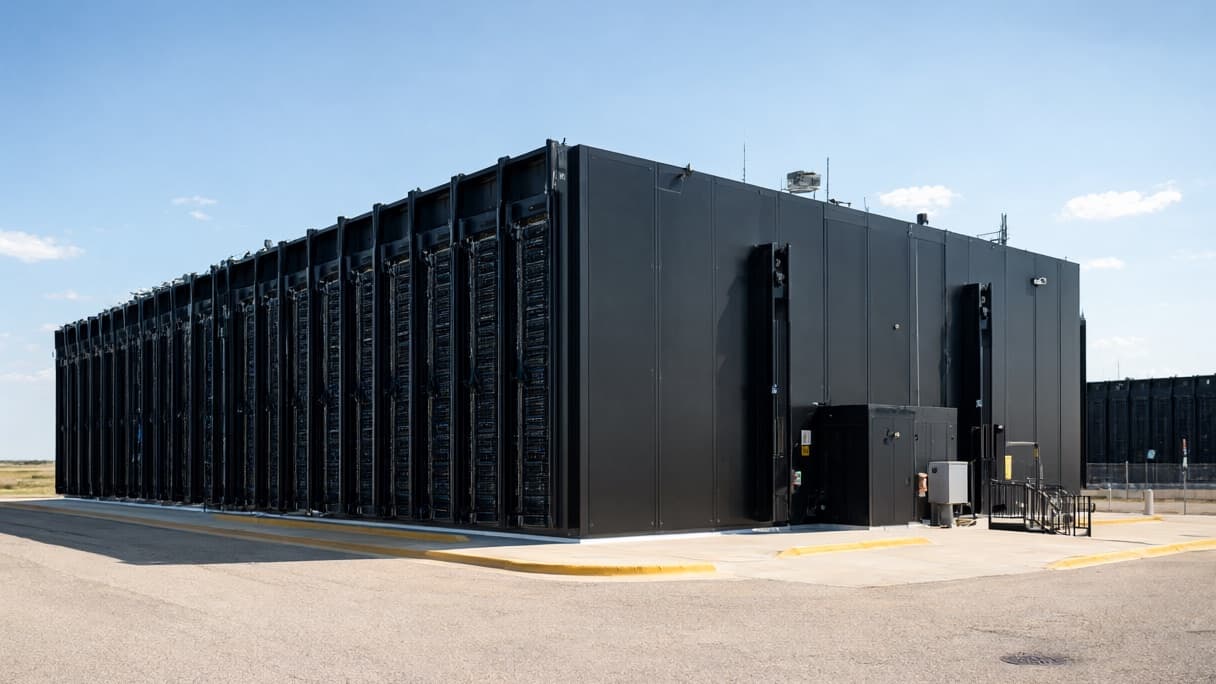
AI-generated image · US National Wire
As generative AI scales, the infrastructure required to sustain it threatens to undo decades of environmental progress in Texas.
For years, the conversation around artificial intelligence has focused on the ethereal: the elegance of the code, the sophistication of the neural networks, and the promise of a cognitive revolution. But as we look toward the long horizon, the revolution is colliding with a very physical wall. The promise of synthetic intelligence is now being weighed against the tangible regression of our atmosphere.
Texas has emerged as the epicenter of this tension. As The Verge first reported, the state has become the leading data center market, boasting 26 gigawatts of capacity that is either existing or currently under construction. The sheer scale of this infrastructure is creating an energy vacuum that could fundamentally alter the region's air quality.
***
**Opinion: The Regression Risk**
We are entering a precarious era where the pursuit of digital acceleration may come at the cost of biological health. If the current trajectory of data center expansion continues without a radical shift in energy sourcing, we are not just building a new intelligence—we are potentially dismantling the environmental safeguards of the last twenty years. The risk is that the 'intelligence' we gain is offset by a loss in the basic quality of the air we breathe.
***
According to a report from the Houston Advanced Research Center (HARC), the environmental stakes are staggering. HARC warns that if all planned data center projects were to integrate into the Texas electricity grid using the anticipated energy mix, the resulting pollution could erase decades of air quality improvements in just five years.
Specifically, HARC projections indicate that fine particle pollution, or soot, from the power sector could more than triple, marking its highest level since 2006. Furthermore, carbon dioxide pollution—the primary driver of planetary heating—could climb 90 percent above 2025 levels. Smog-forming NOx emissions are projected to increase by 136 percent, potentially returning air quality to levels seen in 2004.
As John Hall, CEO of HARC, noted in a press release, the progress made by the state and the transportation sector over several decades is now at risk, suggesting a future where subsequent generations breathe dirtier air.
The mechanism of this pollution is tied to how developers bypass grid limitations. A March report from Wood Mackenzie highlights that Texas is preparing for four times more proposed data center capacity running on onsite power generation than any other state. While onsite renewables like wind and solar could reduce NOx emissions by up to 10 times, many developers are instead opting for less efficient gas turbine technology to accelerate construction and avoid long wait times for grid connection.
Ultimately, the trajectory of the AI boom depends on a choice: whether the industry prioritizes the speed of deployment via gas engines or the sustainability of the environment via renewables. As it stands, the physical footprint of AI is no longer a footnote—it is the defining constraint.