
The Infrastructure Hedge: Decoding OpenAI's 'Grid Protectors' Strategy

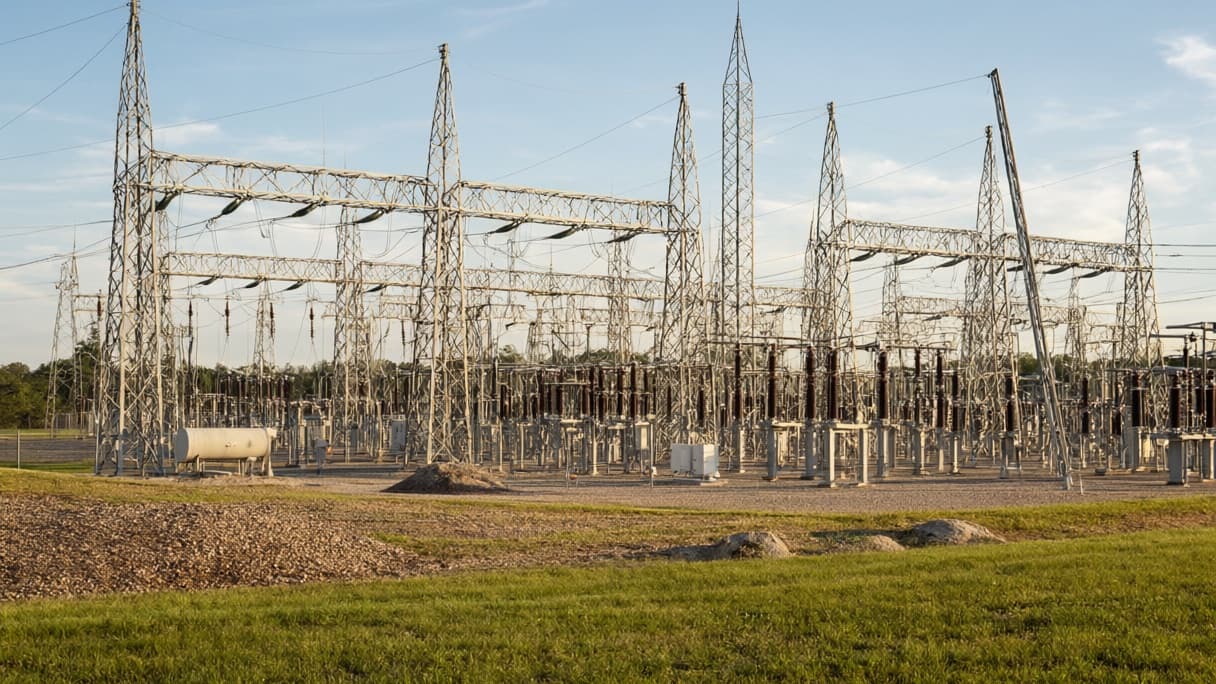
AI-generated image · US National Wire
By rebranding data centers as 'compute campuses' and promising emergency power, OpenAI is attempting to neutralize the regulatory and public headwinds threatening its scaling ambitions.
Opinion: OpenAI's recent pivot toward energy infrastructure is less a gesture of civic altruism and more a calculated move to secure the physical inputs necessary for its survival. As the company scales, it is encountering a fundamental bottleneck: the power grid.
As The Verge first reported, OpenAI has introduced the "Grid Protectors Program," a pilot initiative centered on a forthcoming data center in Effingham County, Georgia. Under this program, OpenAI claims it will be able to release up to 1,000 megawatts of power during emergencies or extreme weather—a volume the company notes is sufficient to power air conditioning for approximately 700,000 homes.
This shift arrives as public reputation for data centers plummets. The Verge reports that OpenAI has officially transitioned its terminology, replacing "data centers" with "compute campuses" to distance the company from the negative associations of noisy, resource-heavy industrial sites. This rebranding follows growing regional volatility, including protests in Box Elder County, Utah, and legislation in Florida, Oklahoma, Oregon, and Tennessee designed to prevent AI firms from shifting energy costs onto local residents. Additionally, a study by the Houston Advanced Research Center (HARC) indicates that proposed Texas data center projects could erase decades of air quality improvements within five years.
By pitching its power plants as resources that utilities can call upon, OpenAI is positioning itself as a partner to the grid. In its own announcement, the company argues that its year-round power requirements help distribute the grid's fixed costs across more electricity sales.
This strategy extends to the broader "Stargate" project. The Verge reports that OpenAI is partnering with SoftBank and Oracle to develop these Stargate data centers across the U.S., including sites in Milam County and Shackelford County, Texas, as well as Doña Ana County, New Mexico.
In my view, the 'Grid Protectors' framing is a classic risk-mitigation tactic. By offering a marginal utility to the public—emergency power—OpenAI is buying the political capital required to build infrastructure that would otherwise be rejected by local zoning boards and state legislatures. This isn't about the grid; it's about the roadmap to AGI.