
The Infrastructure Gamble: Who Wins the Third Spaceport?

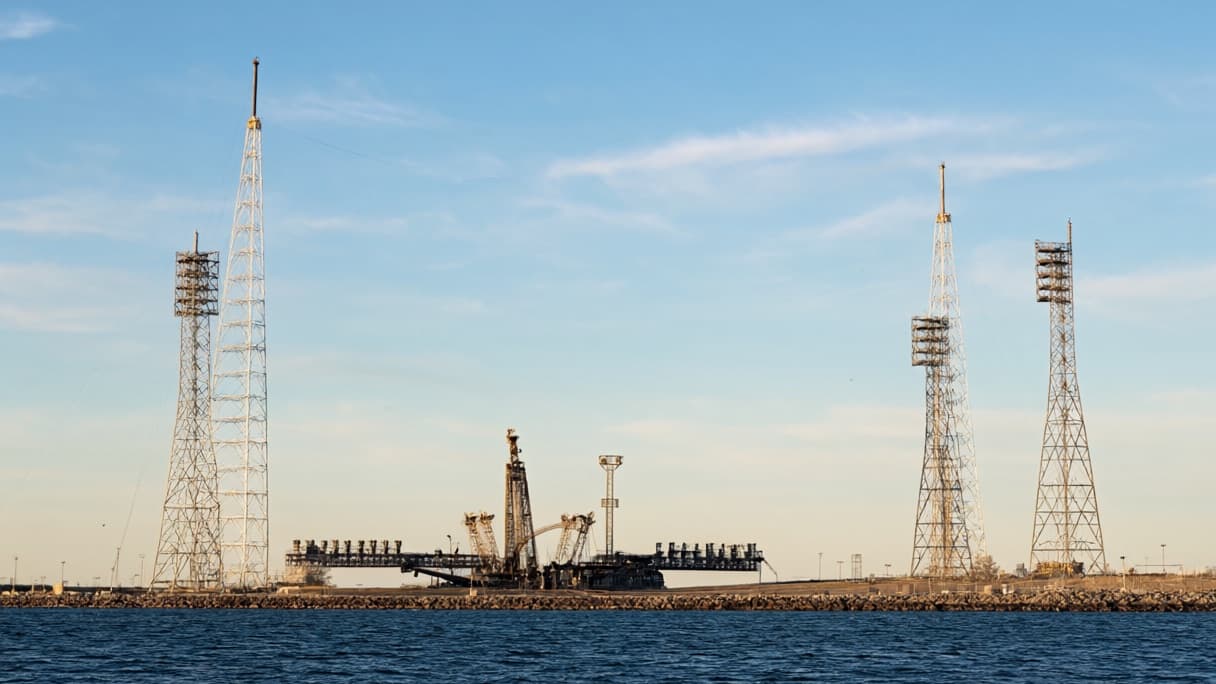
AI-generated image · US National Wire
Space Force wants a heavy-lift site by 2030, but the real battle is over whether the spend goes to federal land or commercial giants like SpaceX.
The Space Force is chasing an "aspirational" 2030 deadline for a third heavy-lift launch site, as Ars Technica first reported. While leadership frames the push as a matter of "geographic resiliency" to protect against military attacks or natural disasters, the underlying mechanism is a massive infrastructure play.
Air Force Secretary Troy Meink noted in a House Armed Services Committee hearing that a congressionally mandated study highlighted the necessity for a site capable of "super heavy launch capability." With projections from Ars Technica indicating that existing ports must support 700 launches annually by 2036, the Pentagon is staring down a capacity crisis.
The critical question isn't just where the rockets go, but who builds the pads. Lt. Gen. Philip Garrant, head of Space Systems Command, told Ars Technica that the service is weighing several acquisition paths: new federal installations, state land, or public-private partnerships.
Most telling is Garrant's openness to "leveraging commercial land." When asked specifically about the expansive spaceport SpaceX is planning in southern Louisiana, Garrant stated the Space Force is not discounting any options. If the military opts to lease or partner with a commercial entity rather than building a fresh federal installation, the infrastructure spend shifts from a government construction project to a commercial windfall. For now, Garrant admits there are no firm decision timelines, but the competition to secure this heavy-lift footprint is already underway.