
The High Cost of Billionaire Whims: Ukraine's Starlink Wake-Up Call

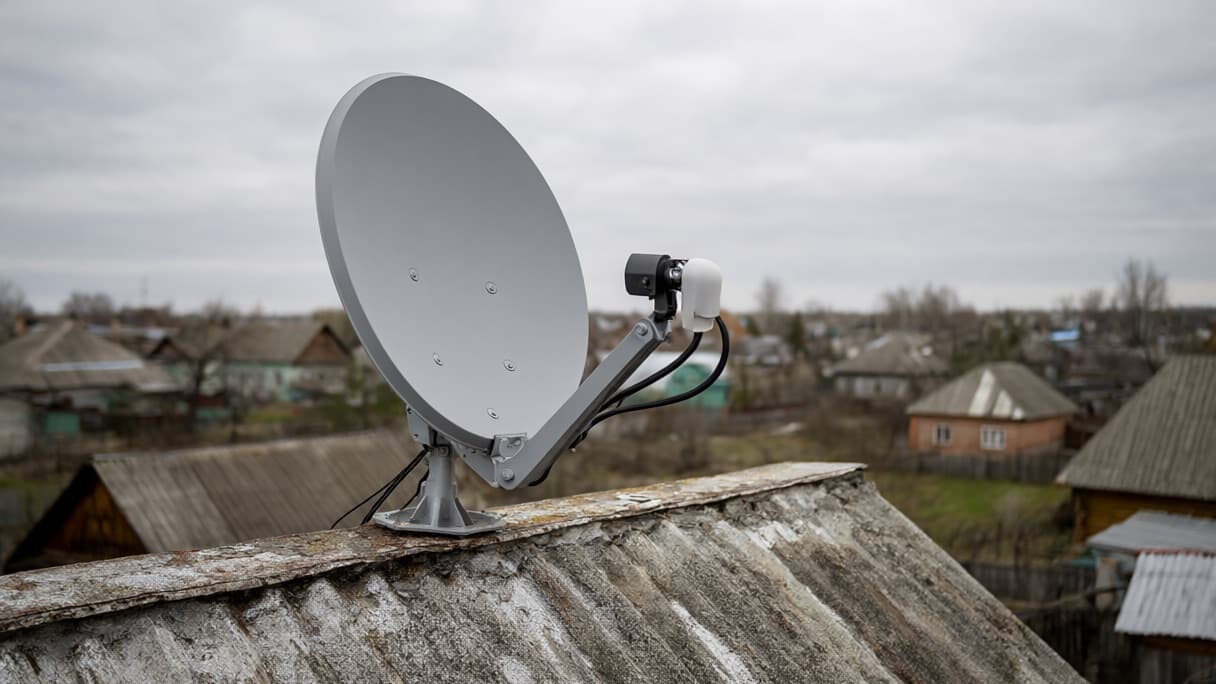
AI-generated image · US National Wire · Based on a photo by not stated (CC BY 4.0, Wikimedia Commons)
Forced to pivot after sudden service throttles, Ukraine is discovering that relying on a single private provider for digital sovereignty is a strategic liability.
OPINION: When a single individual can unilaterally decide the operational capacity of a sovereign nation's defense systems, it isn't a partnership—it's a hostage situation. Ukraine's recent struggle with Starlink is a masterclass in why outsourcing critical infrastructure to the whims of a billionaire is a catastrophic failure of digital sovereignty.
Q: What happened to Starlink service in Ukraine recently?
A: As Ars Technica first reported, military-grade Starlink service was throttled for terminals moving faster than approximately 99 miles per hour (160 kilometers per hour), according to reports from Ukrainian government officials and military forces between October 13 and October 24, 2026. This restriction was reportedly imposed by SpaceX at the order of Elon Musk, potentially in consultation with President Donald Trump, though both Musk and the Trump administration have denied responsibility.
Q: How did this technical restriction impact the battlefield?
A: The impact was immediate and severe. In a social media post dated October 19, Michael Kofman, a senior fellow in the Russia and Eurasia Program at the Carnegie Endowment for International Peace, observed that the service became unstable even at speeds as low as 80 miles per hour (130 kilometers per hour). Ars Technica reports that these disruptions occurred without warning in the middle of the night, impacting reconnaissance missions, drones supplying frontline units, and mid-range strikes against Russian supply lines and military units. Ukrainian President Volodymyr Zelenskyy further stated that the speed limits interfered with air defenses utilizing fast-moving drone interceptors to combat Russian one-way attack drones.
Q: Is this the first time SpaceX has limited the use of its technology in the conflict?
A: No. Ars Technica notes that early warning signs appeared in February 2023, when SpaceX President and COO Gwynne Shotwell confirmed the company was blocking the Ukrainian military from using Starlink with drones, following social media comments from Musk regarding "long-range drone strikes." Additionally, in February 2026, SpaceX shut off access to any Starlink terminal within Ukraine that was not on a whitelist, a move that disrupted Russian units using smuggled terminals.
Q: Who is funding the Starlink deployment in Ukraine?
A: The US government and European nations, specifically Germany and Poland, have paid SpaceX for subscription fees and tens of thousands of commercial terminals. The US government also provided the military with Starshield, a military-grade version of the service.
Q: How is Ukraine responding to this instability?
A: Ukraine is actively working to reduce its reliance on the network. An anonymous head of hardware R&D at the Ukrainian defense company BlueBird Tech told Ars Technica that while Starlink is currently unmatched in cost and ease of use, the company and other Western partners have already begun deploying drones designed to eliminate or reduce the need for Starlink communications. Ukrainian Defense Minister Yev reported that military-grade service was finally restored on October 24.