
The Great Musk Consolidation: A Strategic Pivot or a Balance Sheet Bailout?

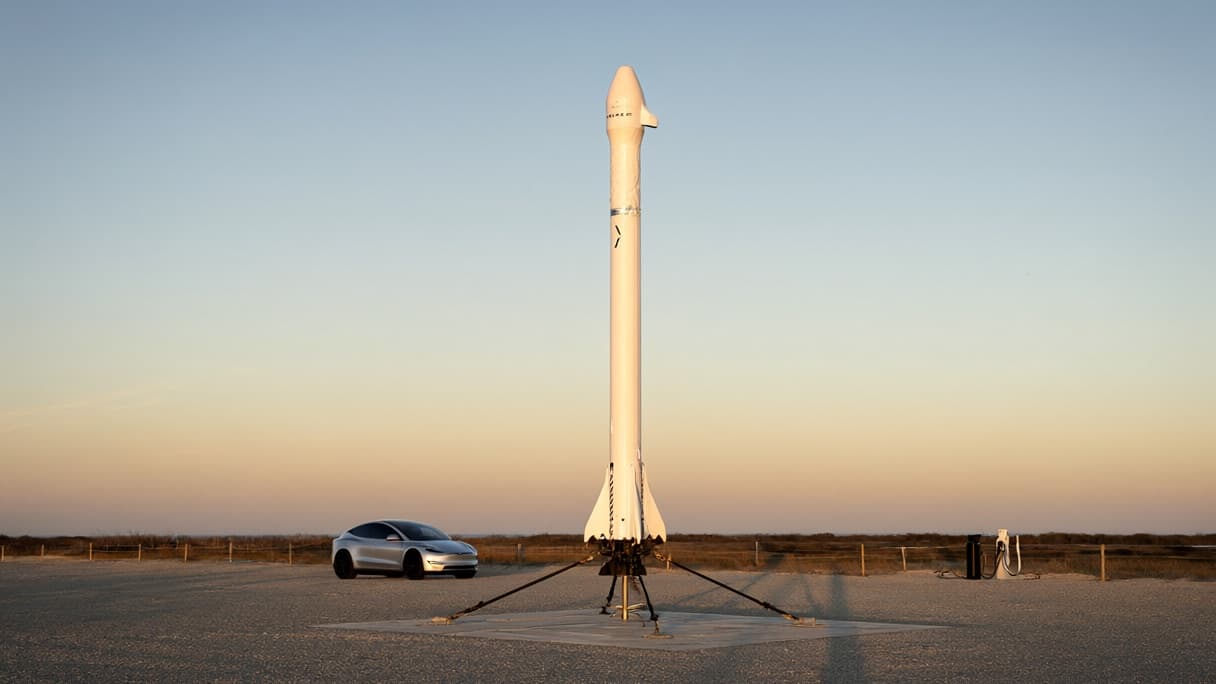
AI-generated image · US National Wire
Elon Musk's proposed merger of Tesla and SpaceX is being framed as an AI singularity play, but the math suggests a desperate bid for control and capital.
OPINION: Let's call the proposed merger of Tesla and SpaceX what it actually is: a corporate shell game. While Elon Musk frames the consolidation as a visionary leap toward a "superintelligence singularity," the underlying mechanics suggest a move to shield failing automotive prospects with aerospace prestige.
During a SpaceX third-quarter earnings call, Musk admitted that special committees of independent directors—formed at the request of shareholders—are currently debating the terms of a potential merger. Musk, who serves as CEO of both entities, described the process as a "kabuki dance" because he is a "conflicted party" and cannot participate in the discussions. While he called the idea a "good idea," the reality is that the two companies are operating in entirely different financial orbits.
According to reporting from Ars Technica, SpaceX currently holds a market valuation of approximately $2 trillion, while Tesla sits at roughly $1.5 trillion. A merger would create a mega-entity valued at upwards of $3.6 trillion, as noted by The Verge. However, the synergy Musk touts—developing "TeraFab" chip design, robotics, and the "Starmind" orbital AI data center constellation—serves as a convenient distraction from the brutal capital requirements of the space business. The Verge reports that SpaceX's launch objectives require tens of billions of dollars annually, spending that could effectively drain Tesla's capacity to invest in battery plants and new car factories.
Furthermore, this isn't just about "superintelligence software"; it is about voting power. Ars Technica highlights a stark disparity in Musk's control: he holds more than 82 percent of voting power at SpaceX, but only about 20 percent at Tesla. By absorbing Tesla into the SpaceX ecosystem, Musk could potentially secure majority control over the combined entity, bypassing the traditional checks of a public automotive company.
Tesla shareholders, however, are not likely to be seduced by the promise of Mars. Musk himself admitted that the hurdle for Tesla is high, requiring a 50 percent vote of all shares—not just those who cast a ballot. Morningstar noted in a report earlier this year that Tesla investors will likely face significant disagreements over valuation. If Tesla were to acquire SpaceX, it would necessitate the creation of millions of new shares, diluting current owners. Conversely, if SpaceX absorbs Tesla, as most Wall Street analysts and legal experts expect, Tesla shareholders would essentially be trading their automotive stake for a slice of a rocket company.
Musk's vision of a silicon-centric future—where cars and rockets are merely hardware for AI—is a convenient narrative. But when you look at the capital expenditures and the voting structures, this looks less like a strategic masterstroke and more like a desperate attempt to cross-collateralize Tesla's struggling margins with the hype of the final frontier.