
The FCC's New Hardware Ban: Security Shield or Just More Expensive Paperweights?

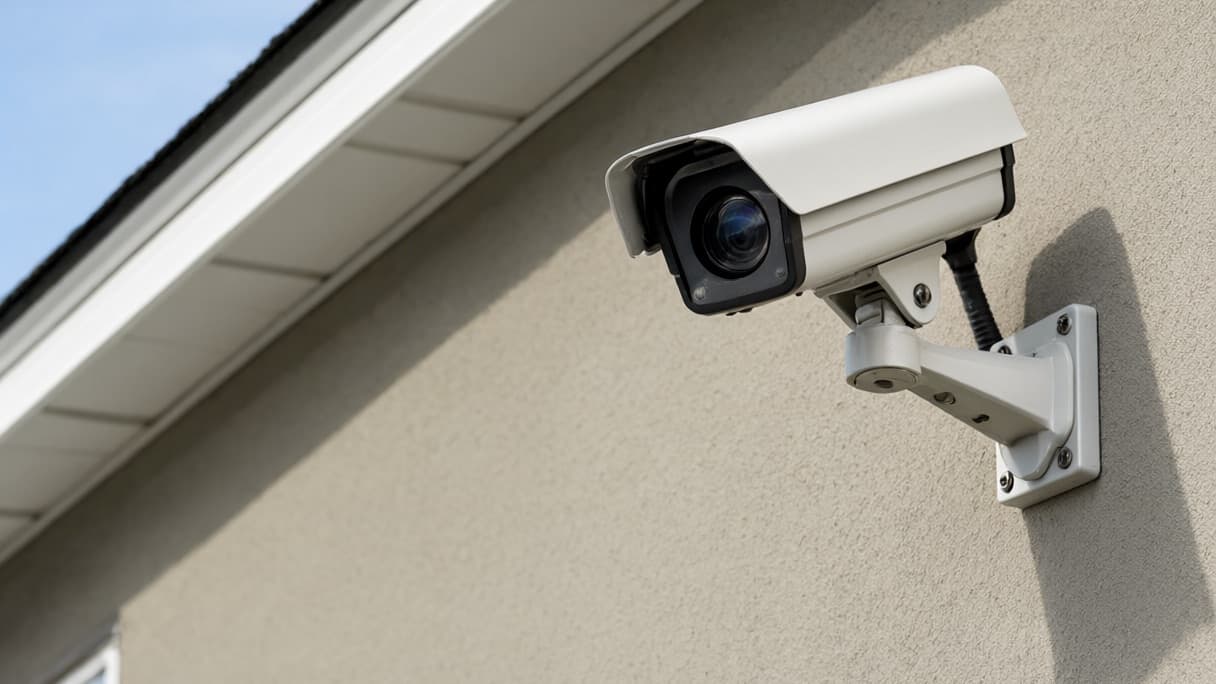
AI-generated image · US National Wire
The agency is flexing a new power to block gadgets with 'foreign surveillance chips,' but the lack of transparency leaves users wondering if this is actual safety or just political theater.
### The Spec Sheet vs. The Reality
As a reviewer, I've learned the hard way that the spec sheet is rarely the whole story. You can have the fastest processor and the crispest display on paper, but if the hardware is compromised or the software is a mess, the device is a brick. Now, we're facing a different kind of 'brick' scenario, but this time it's coming from the regulators.
On October 13, as The Verge first reported, the FCC, under Brendan Carr, granted itself a new authority: the power to block any gadget that contains a computer chip manufactured by a company listed as a potential threat to national security. It is a move designed to close loopholes that previously allowed banned companies to slip their tech into the devices of other manufacturers.
**Opinion:** From where I sit, this feels like the FCC is asking us to simply 'trust them' on hardware security. While the agency frames this as a national security necessity, for the average consumer who enjoys hunting for niche, high-performance imports, it just means our favorite gear is about to become very expensive paperweights.
### The First Target: HiVision
According to reporting from The Verge, the FCC has already exercised this power for the first time. The agency blocked two gadgets—though it has notably declined to name the specific devices—because they allegedly contain "foreign surveillance chips."
Specifically, the FCC is targeting the HiVision Hi3516CV610 UHD Smart Vision SoC. For those who don't speak SoC, this is a System on a Chip that transforms a raw camera sensor into a functional device, such as a dashcam or a home security camera. As The Verge notes, these chips are frequently bundled with Sony camera sensors and sometimes include lenses, making them popular components for various hardware builds found on sites like AliExpress.
Why the crackdown? The FCC points to two main reasons. First, HiVision explicitly markets the chip as being "designed for the surveillance market" and claims it features "built in detection algorithms for human faces." Additionally, HiVision operates as a subsidiary of Huawei. As reported by The Verge, Huawei was one of the first telecommunications firms the U.S. government designated as a national security risk, and it remains on the FCC's Covered List.
### A Pattern of Power Grabs
This isn't the first time the FCC has expanded its reach into the hardware we bring into our homes. The Verge points out that the agency has previously granted itself the power to block modular radio transmitters and to retroactively ban gadgets. We've seen this play out before with the FCC's bans on certain routers and Roombas.
Each time, the narrative is the same: security and safety. But when you look at the execution, the transparency is nonexistent. The FCC has not disclosed which specific gadgets were blocked in this latest move, and despite repeated requests from The Verge, the agency has refused to engage or provide further comment.
### The Consumer Cost
When the government decides a specific piece of silicon is a threat, the ripple effect hits the enthusiast market hardest. The HiVision chip is a workhorse for budget-friendly, high-functionality camera gear. By blocking these components, the FCC isn't just targeting a corporate entity; they are effectively removing affordable hardware options from the market.
If the goal is truly security, the lack of transparency is a glaring red flag. If the FCC can't name the gadgets they are blocking, how are consumers supposed to know if the tech they've already purchased is suddenly deemed a liability?
**Opinion:** We are seeing a trend where the FCC is less concerned with the actual technical vulnerabilities of a chip and more concerned with who owns the company that made it. While national security is a valid concern, the way this is being handled feels less like a surgical strike on surveillance and more like a broad-brush approach that picks winners and losers in the tech industry. For the user, the result is the same: less choice and more risk that your latest import will be rendered useless by a regulatory pen stroke.