
The Fantasy Football Vortex: Why the NFL's Grip is a Threat to Niche Sports

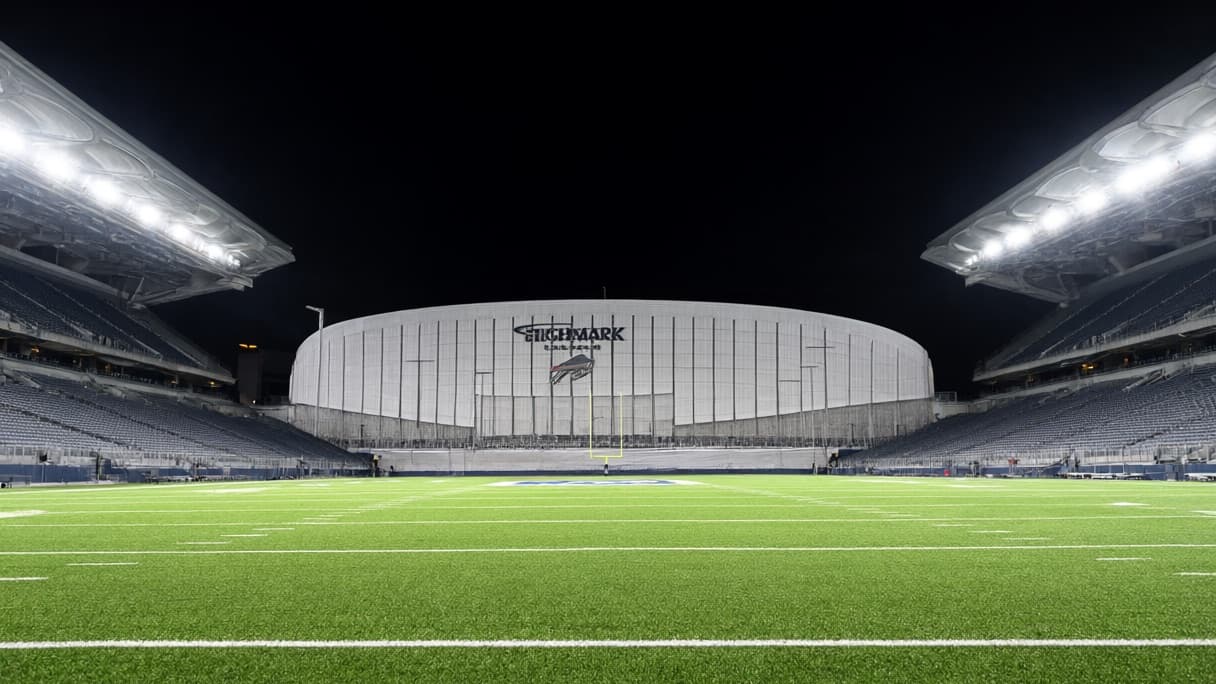
AI-generated image · US National Wire
Opinion: As the 2026 NFL season consumes the cultural conversation with hyper-detailed fantasy projections, we risk losing the viewership momentum necessary for the next Olympic cycle.
As a columnist tracking the four-year Olympic cycle, I am increasingly concerned by the sheer volume of mental real estate occupied by the NFL. We are currently witnessing a cultural phenomenon where the obsession with professional football doesn't just compete with other sports—it cannibalizes them.
Look no further than the current frenzy surrounding Week 9 of the 2026 NFL season. As CBS Sports first reported, the sports world is currently preoccupied with the minutiae of fantasy football lineups, where fans are agonizing over whether to ride a "hot hand" or target a weak defense. The level of analysis has reached a fever pitch; CBS Sports reports that the SportsLine computer model now simulates every single NFL game 10,000 times to provide rankings that outperform human experts.
When the general public is this deeply entrenched in the statistical projections of backup running backs—CBS Sports notes impressive recent showings from the likes of Tyler Allgeier (191 yards, 2 TDs), Braelon Allen (153 yards, 1 TD), Kenny Gainwell (140 total yards), and Mike Washington Jr. (83 yards)—there is very little room left for the niche sports that provide the bedrock of the Olympic Games.
This is not merely about football's popularity; it is about the nature of the consumption. The current trend is toward hyper-specialized, data-driven obsession. We see this in the way analysts are dissecting the value of Dolphins quarterback Malik Willis, whom CBS Sports reports is projected as a top-12 fantasy QB due to a favorable matchup against a Detroit defense that has allowed the most passing yards and touchdowns this year. We see it in the skepticism toward Panthers wideout Tetairoa McMillan, who, despite being in the top 15 for fantasy points, is being downgraded by models due to a tough matchup against Denver.
When the sports conversation is reduced to whether a player like McMillan is a "sleeper" or a "bust" based on his performance dating back to 2025, the narrative space for non-gridiron athletics vanishes. The Olympic cycle depends on building curiosity and viewership for sports that don't have a 17-week regular season or a 10,000-simulation computer model backing them.
If our collective attention is entirely captured by the quest to avoid "going home empty-handed" in a fantasy league—as CBS Sports frames the stakes of using SportsLine's model—we are neglecting the diverse athletic tapestry that makes the Olympics vital. The NFL is a juggernaut, but when its shadow becomes this total, it threatens the visibility of every other athlete on the planet. We must protect the niche, or we will find ourselves in a world where the only "rankings" that matter are the ones decided by a computer in a football office.