
The Efficiency Gap: Why the 'Prime Effect' Failed in Stillwater

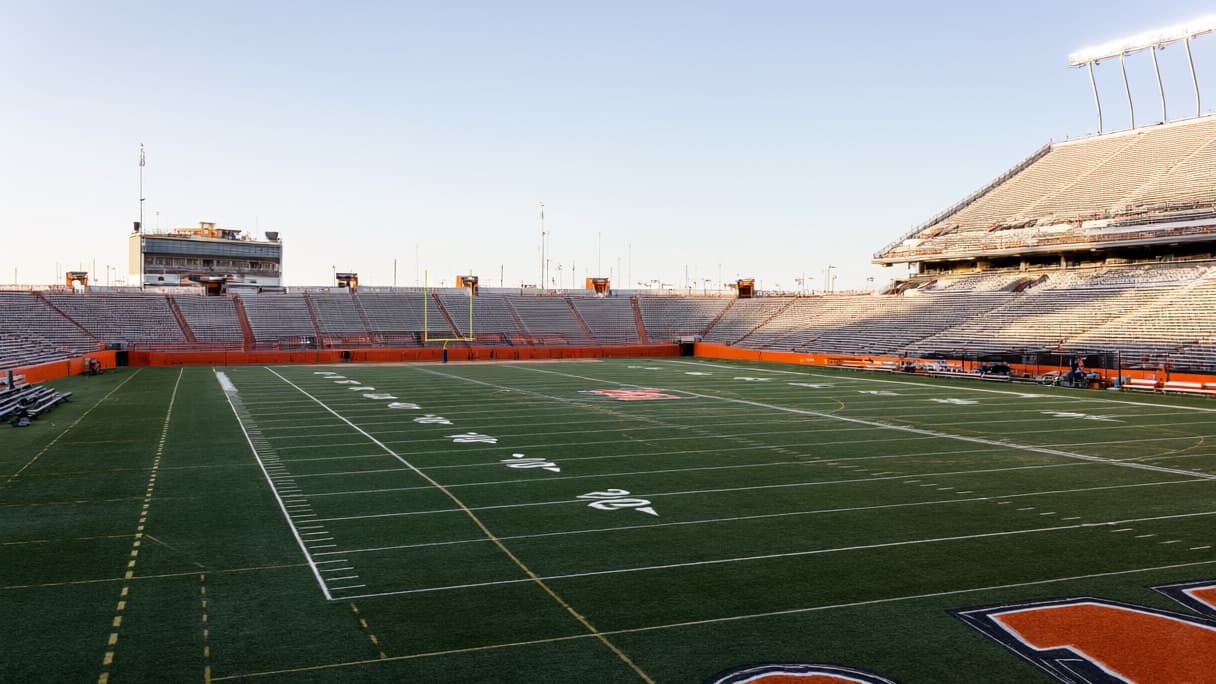
AI-generated image · US National Wire
Colorado's defensive collapse against Oklahoma State reveals a systemic failure that mirrors the very era Deion Sanders was hired to erase.
In the world of sports analytics, the 'Prime Effect' is often viewed as a catalyst for rapid transformation. But as Colorado learned in a devastating loss to Oklahoma State, as Sports Illustrated first reported, no amount of celebrity momentum can outrun a negative point differential and a total collapse in efficiency ratings.
According to reporting from Sports Illustrated, the Buffaloes suffered their most severe statistical setback of the Deion Sanders era during Saturday's matchup in Stillwater. The numbers are staggering: Oklahoma State amassed 598 total yards and scored 57 points, marking the highest totals allowed by Colorado since Sanders took over the program. To find a defensive performance worse than this, one has to look back to November 26, 2022, when Utah defeated Colorado 63-21.
That 2022 game served as the catalyst for the hiring of Sanders just one week later. The fact that the defense looked so similar on Saturday is a jarring regression. While Sanders promised a total rebuild, the unit overseen by defensive coordinator Chris Marve looked more like the 2022 squad than the improved version fans had seen earlier this season.
The failure was systemic, manifesting in both the air and on the ground. Oklahoma State quarterback Drew Mestemaker dismantled the secondary, throwing for 386 yards and four touchdowns. Mestemaker averaged over 18 yards per completion, with wide receiver Justin Bowick leading the assault with 138 yards on five catches. Following the game, Sanders admitted that Oklahoma State tested the Buffaloes' cornerbacks and that the unit failed to perform against that opposition.
On the ground, the efficiency gap was equally wide. Oklahoma State rushed for 188 yards, led by running back Caleb Hawkins, who recorded 120 yards on 19 carries. The Colorado front, which had previously been effective at disrupting backfields, managed only four tackles for loss. This lack of pressure allowed Oklahoma State to maintain a relentless offensive rhythm, averaging 7.9 yards per play and securing 28 first downs.
Perhaps the most telling statistic regarding Colorado's inability to stop the bleeding was the lack of defensive stops. The Buffaloes forced only one three-and-out the entire night, and Oklahoma State was required to punt only twice. Even when the defense managed to slow the Cowboys down, they could not prevent points; kicker Sam Keltner converted all five of his field goal attempts, matching a program record.
By the end of the game, the collapse was complete, with Oklahoma State scoring on six of its final seven possessions. Sanders did not mince words regarding the performance, noting that the team blew coverages and gave up plays they shouldn't have. In a sport where efficiency is king, Colorado's inability to disrupt the play or protect the perimeter proved that the program's foundation remains fragile. As Sanders put it in his postgame press conference: "This stuff hurts, man."