
The Authenticity Hedge: Why the BBC is Betting on 'Rough Edges' to Outlast AI

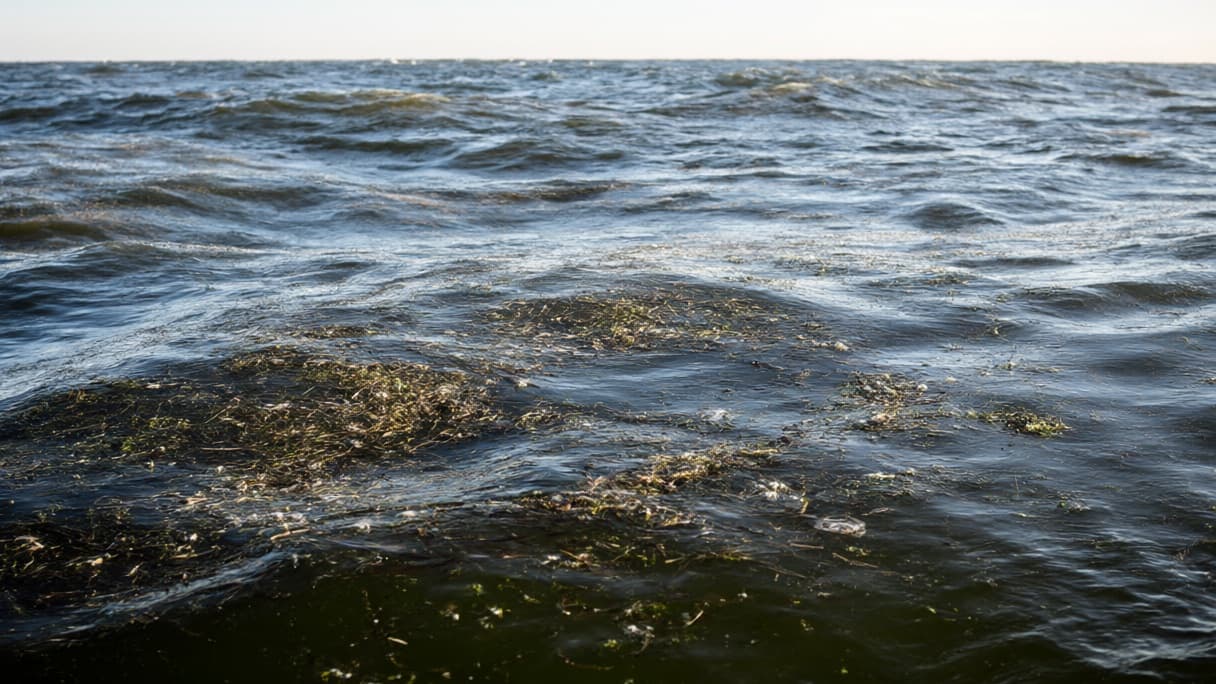
AI-generated image · US National Wire
Opinion: By embracing the imperfections of the natural world in Blue Planet III, the BBC is strategically pivoting away from a high-production polish that AI can now replicate for free.
In the creator economy, we are witnessing a violent devaluation of 'perfection.' As generative AI makes synthetic polish a commodity, the market value of the 'perfect shot' is cratering. When any prompt can generate a flawless ocean vista, the only remaining premium is the provably real.
This is the strategic pivot currently being executed by the BBC with *Blue Planet III*. As first reported by The Verge, the series is intentionally retaining shots that would have historically been relegated to the cutting room floor. This isn't an aesthetic choice born of laziness; it is a defensive maneuver in an era of synthetic media.
According to The Verge, previous iterations of the nature series were defined by gorgeous, seamless footage. But because a primary giveaway of AI is imagery that looks too polished, the BBC is now leaning into what I call the 'authenticity hedge.' Executive Producer Elizabeth White, speaking to The Guardian as cited by The Verge, explained that the production is now keeping in elements—like floating plankton, buoys, or imperfect water conditions—that would have previously triggered a cut.
By leaving these 'warts' in the footage, the BBC is creating a visual proof-of-work. A stray buoy serves as a watermark of reality, signaling that the footage was captured in a physical location rather than rendered in a latent space.
White argues, via The Verge, that real ocean creatures are likely more remarkable than anything AI could imagine. The series showcases this organic complexity through sequences of 200,000 crabs feeding in formation, inter-species fish communication, and dolphins using sea sponges to trap fish. By pivoting to a 'rough edges' philosophy, the BBC is repositioning its high-production content as a luxury good defined by its organic imperfections.