
The Aesthetic Police: Why Stadiums Are Warring With the Smartphone

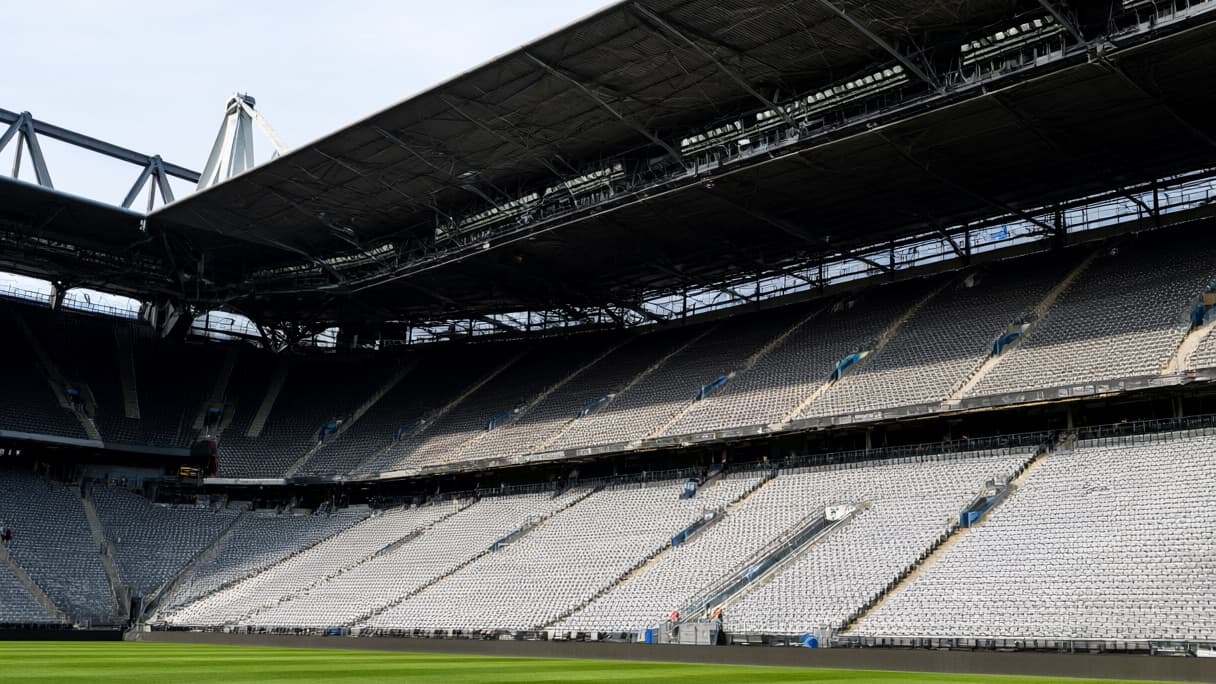
AI-generated image · US National Wire
From Borussia Dortmund's reward schemes to influencer bans, sports organizations are attempting to curate the 'authentic' crowd experience—often at the expense of fan agency.
As a four-year-cycle tracker, I've seen the machinery of global sports move toward a specific, polished ideal of 'passion.' The recent crackdown on smartphones in the stands isn't just about encouraging fans to be 'present'; it is a calculated effort to curate the visual and auditory aesthetic of the stadium for the next generation of broadcasts.
Take the case of Borussia Dortmund. During a recent home match against Eintracht Frankfurt at Signal Iduna Park—which saw a sell-out crowd of 81,365—the club implemented what, as The Guardian first reported, was a 'bribery scheme.' By activating a 'fan mode' via the club's app, supporters were tracked on how infrequently they unlocked their phones. Those who stayed off their devices were entered to win gift cards to the club's merchandise store and signed jerseys.
On the surface, the rhetoric is about emotional purity. Carsten Cramer, chief executive of Borussia Dortmund, claimed the 'here and now' of tens of thousands of people cheering together is 'irreplaceable.' Marcel de Groot, the chief executive of Vodafone Germany and a Dortmund sponsor, echoed this, urging fans to focus on the field rather than a cell phone screen.
However, the underlying motivation is often more pragmatic and commercial. According to The Guardian, second-division German clubs Dynamo Dresden and Hertha Berlin have gone further, banning commercial influencer-style videos entirely. These clubs cited concerns over the fan experience, but specifically pointed to the 'integrity of the TV rights they sell.'
This tension between the live experience and the digital capture is reaching a breaking point across various sports. The Guardian reports that the US Open has become akin to an 'influencer convention' after the US Tennis Association credentialed over 100 content creators this year. The disruption became so acute that a match was actually halted when a chair umpire ordered influencers to turn off a ring light. In contrast, Wimbledon has refused to credential influencers to avoid such disruptions, though they still enter via sponsors or standard tickets.
Whether it is the 'Yellow Wall' in Germany or the courts of New York, the goal is the same: the removal of 'cultural content parasites' who monetize the match-day experience. By policing the stands, organizations are attempting to protect a specific brand of organic folklore—the kind that makes global football distinct from the more curated, announcer-led atmosphere of American sports leagues. In the quest for the perfect broadcast shot, the fan is no longer just a spectator; they are a prop in a carefully managed stadium aesthetic.