
The 2030 Spaceport Gamble: Will the Space Force Actually Pay for Access?

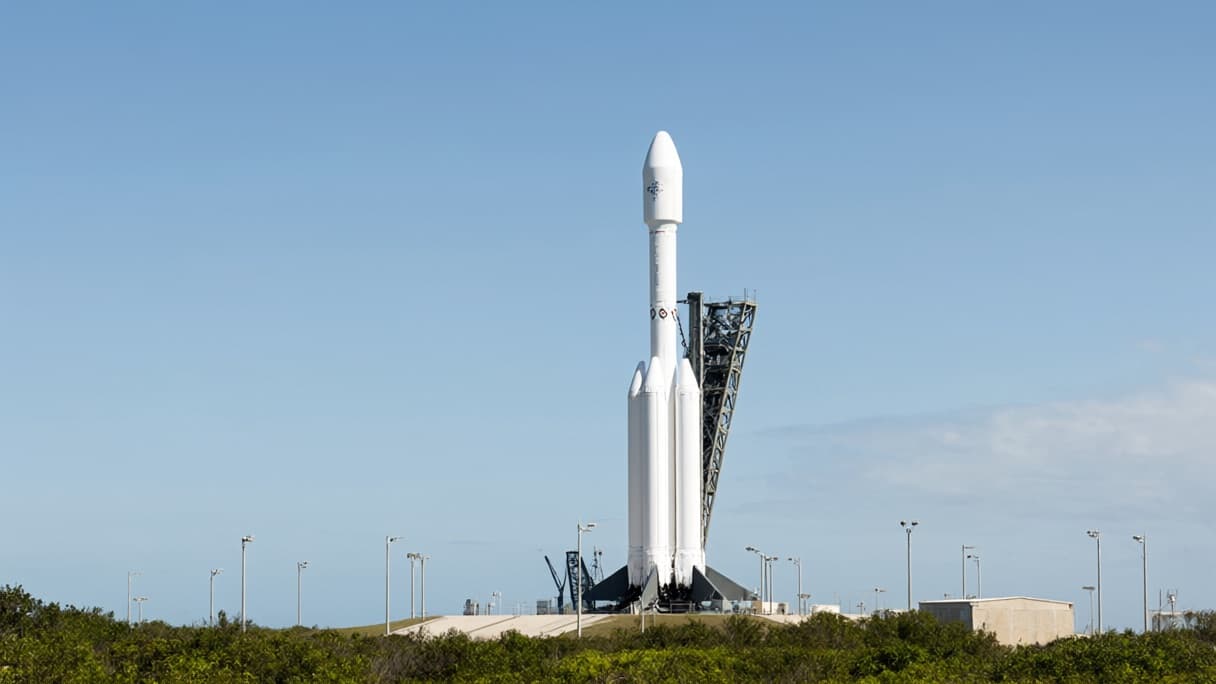
AI-generated image · US National Wire
Pentagon leaders are eyeing a third heavy-lift launch site to solve a looming capacity crisis, but the funding model for this 'aspirational' goal remains a black box.
The U.S. Space Force is staring down a massive logistical bottleneck, and as Ars Technica first reported, the proposed solution is a third heavy-lift spaceport. But as a columnist who follows the money, the real question isn't where this site will be located—it's who is footing the bill for the land and infrastructure.
According to reporting from Ars Technica, the Space Force is operating on an "aspirational" timeline to have a new launch site operational by 2030. This urgency stems from a projected surge in demand; while Cape Canaveral Space Force Station, Kennedy Space Center, and Vandenberg Space Force Base handled 175 orbital launch attempts last year, officials project these sites will need to support 700 launches per year by 2036.
**The Capacity Crisis**
Air Force Secretary Troy Meink first signaled the search for a third base in May, following a congressionally mandated study that identified a critical need for additional heavy and super-heavy launch capabilities. The push is further supported by a Trump administration space transportation policy released in August, which endorsed expanding launch and reentry sites for both military and commercial use.
Beyond simple traffic jams at the Cape and Vandenberg, the Space Force is chasing "geographic resiliency." As Ars Technica notes, a third site would mitigate the risk of a military attack or natural disaster disabling the nation's primary launch hubs.
**The Funding Friction**
Here is where the orbits get messy. Lt. Gen. Philip Garrant, head of Space Systems Command, has acknowledged that building a spaceport is a massive undertaking involving orbital regimes, safety, and commodity access. While Garrant stated that a "strong partnership with local and state governments" will be necessary, the Pentagon has yet to determine how it will acquire the land or what the financial structure will look like.
When Ars Technica questioned Garrant on whether the military would lease property from private entities—specifically citing the expansive spaceport SpaceX plans to build in southern Louisiana—Garrant remained non-committal. He noted that the Space Force is considering several distinct paths:
* **Public-Private Partnerships:** Joint ventures that split the risk and cost. * **New Federal Installations:** Traditional government-owned and operated bases. * **State Land:** Leveraging existing government holdings. * **Commercial Land:** Leasing or utilizing existing private infrastructure.
Garrant stated that each option has "pros and cons" and that no decision has been made, though no option is being discounted.
**The Bottom Line**
(Opinion): The Space Force is essentially shopping for a home without a disclosed budget. While the 2030 deadline sounds decisive, Garrant admitted he is a "pragmatist" and that decision timelines are currently non-existent. The gap between "aspirational" goals and a signed contract is wide. The military is currently weighing whether to invest in its own federal footprint or ride the coattails of commercial expansion. Until we see a budget line item for land acquisition or a formal lease agreement with a private partner, this spaceport exists only on a slide deck.