
SportsLine Model Diverges From NFL Market Trends in Week 8

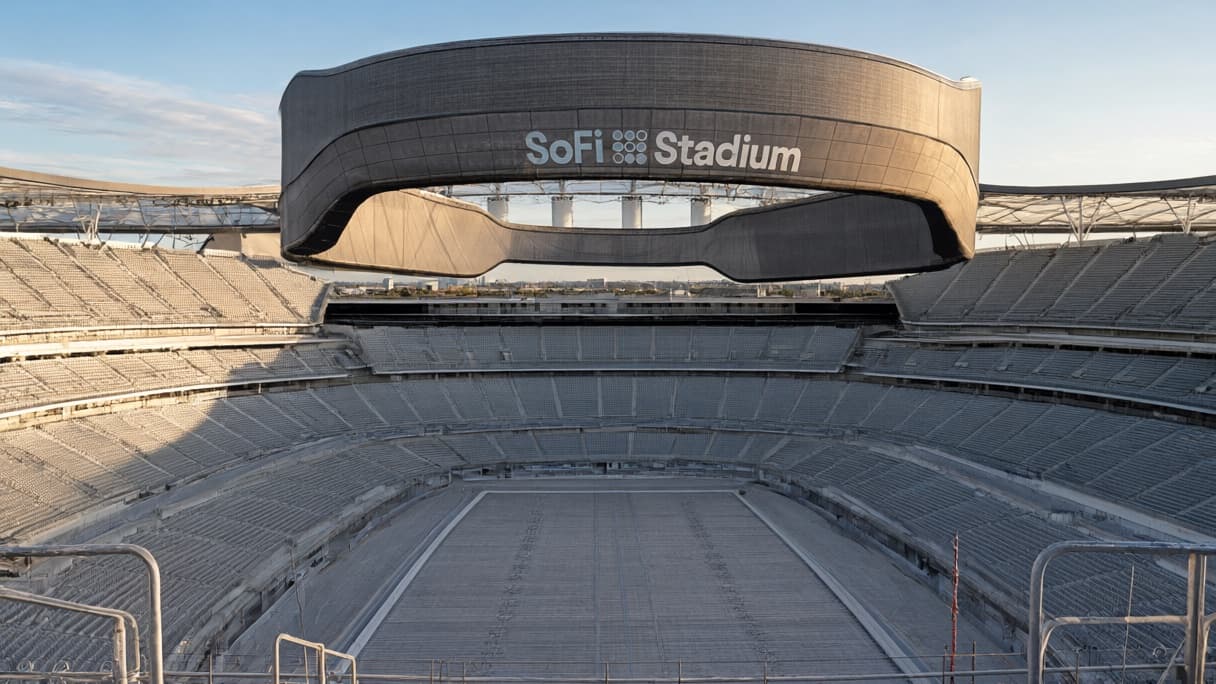
AI-generated image · US National Wire · Based on a photo by Thank You (21 Millions+) views (CC BY 2.0, Wikimedia Commons)
While historical data suggests avoiding heavy favorites, SportsLine's simulation-based model backs the Rams in a high-spread matchup.
As NFL Week 8 betting markets take shape, a notable delta has emerged between historical betting trends and the algorithmic projections provided by SportsLine, as first reported by CBS Sports.
According to reporting from CBS Sports, current NFL betting trends suggest a strong lean toward underdogs in games featuring heavy favorites. This season, favorites of -6 or more have struggled to cover the spread, posting a record of 8-21-3 ATS and covering only 27.5% of the time. Five matchups this week meet that -6 or higher threshold:
* Bengals (-12.5) vs. Titans * Jaguars (-10) vs. Colts * Cowboys (-7) vs. Cardinals * Patriots (-7) vs. Dolphins * Rams (-6.5) vs. Chargers
Despite this league-wide trend of heavy favorites failing to cover, the SportsLine model—which simulates every NFL game 10,000 times—is diverging from that pattern. CBS Sports reports that one of the model's preferred plays is the Rams (-6.5, 45.5) to cover against the Chargers, a result the model forecasts to cash 55% of the time.
Beyond the spread, the SportsLine model is projecting a high-scoring affair in the Jaguars vs. Colts matchup. While the model's five-team parlay backs the Over of 46.5 points, the algorithmic projection forecasts a total of 56 combined points, suggesting the Over connects 67% of the time.
In terms of overall performance, CBS Sports notes that the SportsLine model enters the 2026 NFL season with a 58-51 run on top-rated picks dating back to 2024. For players utilizing $100 stakes, the model has been up more than $5,000 on top-rated NFL picks since its inception.