
OpenAI's Biotech Ambitions: Operational Efficiency is Not a Scientific Breakthrough

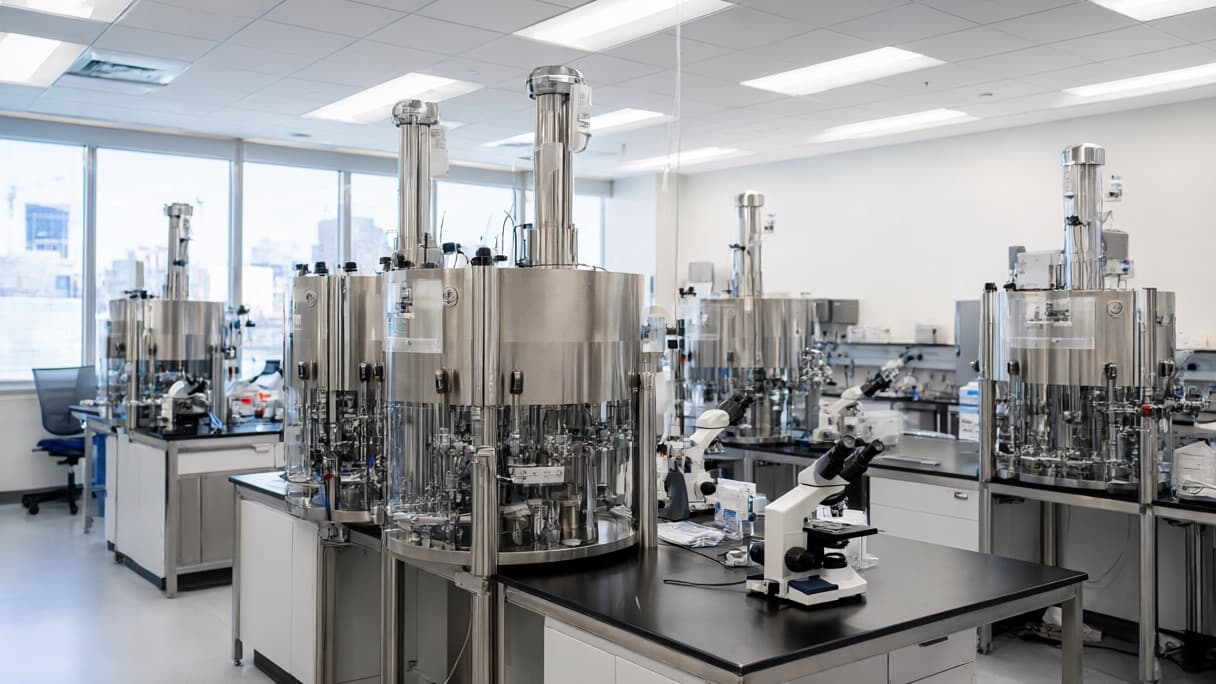
AI-generated image · US National Wire
Opinion: While the acquisition of Orchestra Bio streamlines the 'minutiae' of drug discovery, OpenAI must prove the Rosalind model can deliver actual biological discovery, not just better project management.
OpenAI is making a loud, aggressive play for the life sciences. By acquiring Orchestra Bio—a four-year-old startup that TechCrunch reports had raised approximately $20 million as of 2025 from backers including 8VC, Atria, and Andreessen Horowitz—OpenAI is signaling that it wants to be the operating system for the pharmaceutical industry.
On the surface, the move is a logical expansion. According to OpenAI, the drug development process is a grueling 10-to-15-year marathon from target discovery to U.S. regulatory approval. Orchestra Bio specializes in the logistical friction of that journey, providing AI agents that manage the administrative burden of drug-discovery operations. As TechCrunch notes, this includes everything from tracking finances to resolving clinical trial scheduling conflicts.
Integrating Orchestra Bio into the Rosalind ecosystem—which includes the GPT-Rosalind reasoning model and the Rosalind Workbench for experimental planning—is a masterclass in vertical integration. OpenAI is essentially building a full-stack environment where a researcher can use Rosalind to reason through chemistry questions and then use Orchestra-powered agents to ensure a failed manufacturing batch doesn't derail a clinical trial. It is a compelling pitch for operational efficiency, and it has already attracted heavyweights like Novo Nordisk and Moderna.
But as a tech columnist who has seen plenty of AI vaporware, I have to ask: is this actually about science, or is it about software?
There is a critical distinction between *orchestrating* a drug program and *discovering* a drug. Orchestra Bio, by its own description, is a platform for coordination and monitoring. It helps scientists "delegate the monitoring and tracking of studies" so they can focus on decision-making. While OpenAI frames this as a way to help medicines reach patients sooner, the core value proposition here is administrative. It is about optimizing the workflow, not necessarily the molecule.
For Rosalind to be a true breakthrough in biotech, it must move beyond pattern recognition and project management. The real test for OpenAI isn't whether it can help Moderna translate data into workflows or help Novo Nordisk accelerate commercial execution. The test is whether the Rosalind model can generate reproducible, novel biological insights that lead to a successful drug that wouldn't have existed without the AI.
Right now, OpenAI is building a very expensive, very sophisticated digital laboratory manager. That is valuable, certainly. But in the high-stakes world of biotech, operational excellence is the baseline, not the breakthrough. Until OpenAI can point to a specific, reproducible biological discovery driven by Rosalind's reasoning, we are looking at a highly efficient way to manage the same old risks.