
Liquidity Pressures and Chip Procurement Drive SpaceX-Tesla Merger Talks

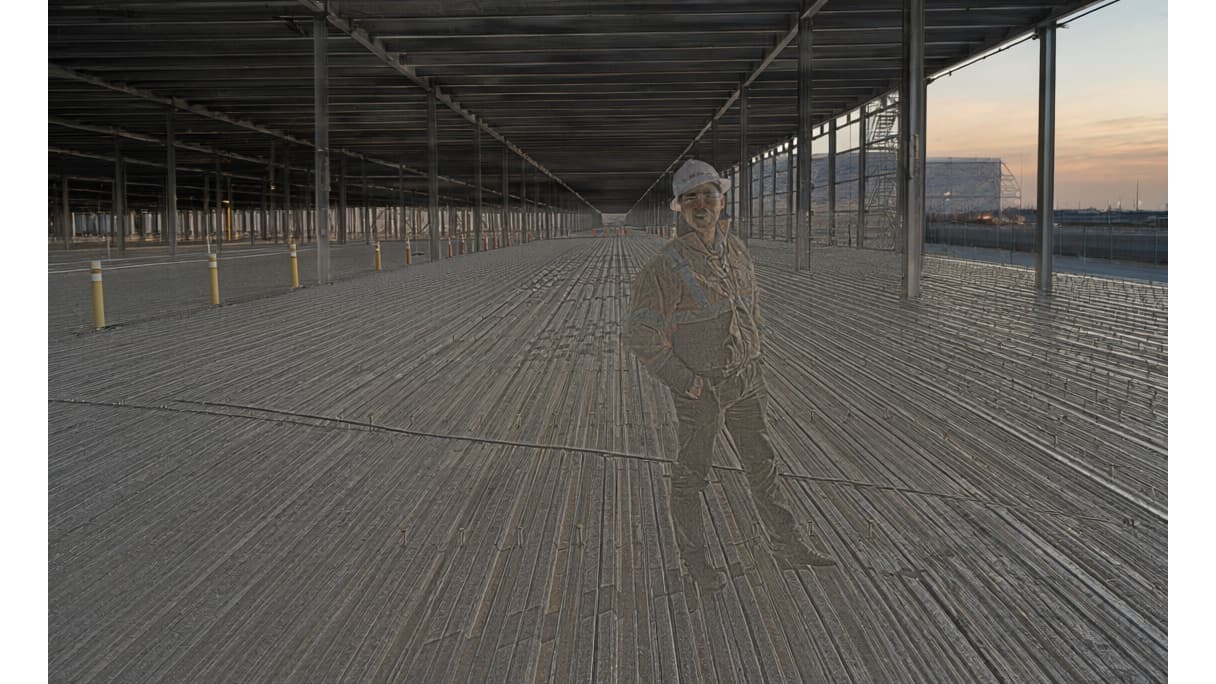
AI-generated image · US National Wire · Based on a photo by Steve Jurvetson from Menlo Park, USA (CC BY 2.0, Wikimedia Commons)
Cross-collateralization of assets suggests a strategic shift to fund massive Nvidia hardware expenditures as SpaceX scales its 'superintelligence' division.
The potential merger of SpaceX and Tesla represents a fundamental shift in the risk profile for creditors of both entities, as the move appears tied to urgent liquidity needs for artificial intelligence infrastructure. As first reported by The Verge, SpaceX is preparing to borrow an additional $40 billion to spend on Nvidia chips.
This capital requirement coincides with the formation of special committees at both SpaceX and Tesla to discuss a merger. While Elon Musk has framed the consolidation as a means to develop "superintelligence software"—citing synergies between Tesla's humanoid robots and self-driving cars and SpaceX's LLMs and data centers—the financial underpinnings suggest a more pragmatic driver. In a recent SpaceX earnings call, Musk stated there is "a lot of merit to combining" the two companies to cooperate on this software.
SpaceX's financial trajectory reflects an aggressive pivot toward AI infrastructure. In its Q3 earnings, the company reported $7.56 billion in revenue from its superintelligence division. A specific subcategory, "SI solutions & infrastructure revenues," surged to $7 billion, more than tripling the previous quarter's results. The Verge notes that this figure includes $608 million in revenue from the addition of Cursor. Gil Luria, an analyst at DA Davidson, suggests that the bulk of the $7 billion likely stems from renting compute to Google and Anthropic, rather than Grok adoption.
Conversely, Tesla's financial health is under pressure. Reporting from The Verge indicates Tesla's Q3 results showed a second consecutive quarter of declining profits, as Musk is apparently no longer especially interested in normal cars, shifting focus instead toward robots and self-driving taxis.
The two entities already maintain complex financial ties. The Verge reports that SpaceX has previously held Tesla bonds and recently purchased $131 million worth of Cybertrucks from Tesla. They are also collaborating on two specific AI ventures: Macrohard, a project for simulating Microsoft software, and Terafab, a Texas-based chip-making venture partnered with Intel to secure Musk's internal chip supply.
**Opinion:** From a deals perspective, the intersection of SpaceX's massive borrowing requirements for Nvidia hardware and Tesla's eroding profit margins suggests this merger is less about "spreading the light of consciousness" and more about a desperate liquidity play. By cross-collateralizing assets, Musk is effectively attempting to shield high-risk AI infrastructure bets with the remaining equity of his broader empire, significantly altering the credit risk for any party lending to either firm.