
Intel's Robotics Waiver Highlights Friction Between Trade Bans and Fab Reality

AI-generated image · US National Wire
A recent FCC exemption for Intel underscores the difficulty of reshoring semiconductor production while restricting the foreign-made automation essential to the process.
The intersection of nationalist trade policy and the capital-intensive requirements of semiconductor fabrication is proving to be a point of significant friction. A recent regulatory maneuver by Intel reveals that the drive to reshore chip production may be colliding with a dependency on foreign automation that cannot be easily replaced.
As Ars Technica first reported, Intel recently sought and received a waiver from the Federal Communications Commission (FCC) regarding a ban on foreign-made robots. Intel filed the request on October 16, and the FCC granted the order on October 22. The waiver allows Intel to continue utilizing specific robotic vehicles in its U.S. semiconductor manufacturing facilities for one year.
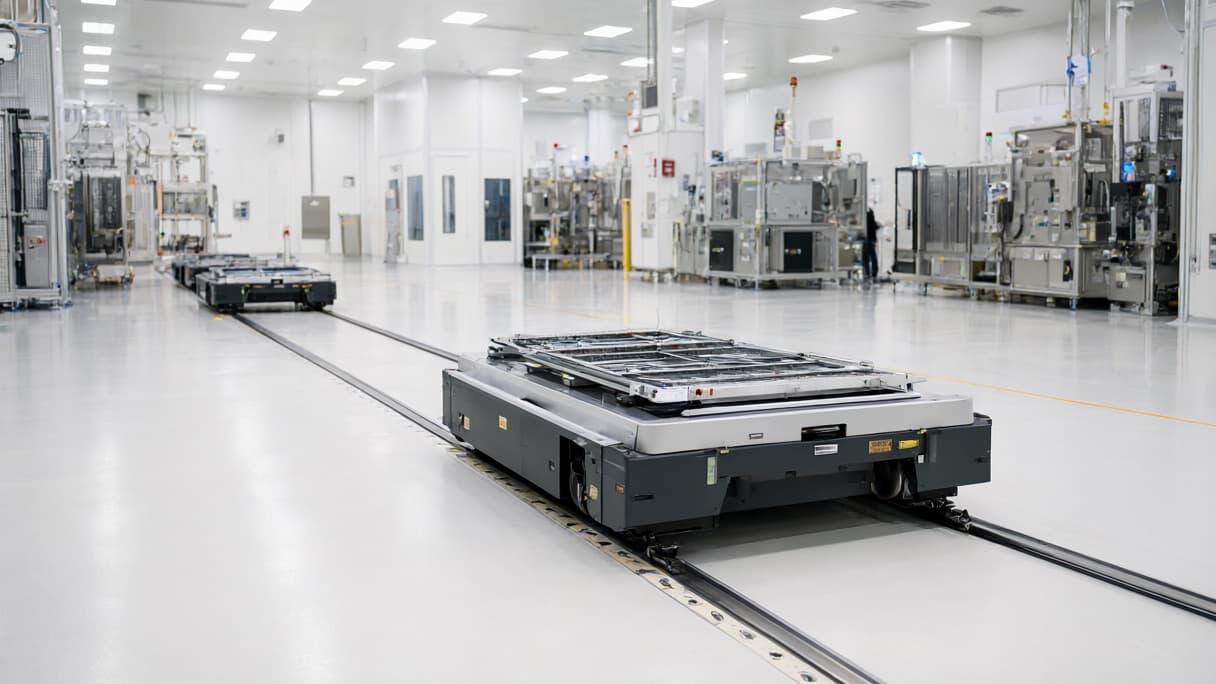
The tension here is one of operational necessity versus policy goals. Intel described these robotic vehicles—which operate on predefined paths or tracks and often require operator oversight to move materials across factory floors—as "critical to its domestic semiconductor manufacturing operations." In its request, Intel argued that maintaining these systems is essential to prevent disruptions to chip production and explicitly stated that no U.S.-made alternatives exist that meet the company's requirements.
From a deals and infrastructure perspective, this waiver highlights the fragility of the current reshoring strategy. The U.S. government has already committed heavily to Intel, taking an $8.9 billion equity stake in the company as part of broader plans to bring chip manufacturing back to domestic soil. However, the FCC's ban on certain foreign-made robots—which primarily targets new mobile models like humanoid robots and vacuums—created enough ambiguity that Intel requested relief "out of an abundance of caution."
While the FCC's rules generally permit the import of previously approved robots, they restrict major modifications to those devices. Intel's waiver specifically grants the company permission to implement certain firmware, software, and hardware changes necessary for the continued operation and maintenance of its fleet. The specific models of robots used by Intel were not disclosed publicly, appearing instead in a "confidential appendix," though Bloomberg News reports that such vehicles are typically manufactured by Japanese firms including Daifuku Co. and Murata Machinery.
This episode suggests a broader systemic risk for U.S. industry. As Ars Technica notes, China remains the global leader in robotic components and systems. While the U.S. government aims to stimulate domestic robotics production through these restrictions, some analysts suggest the move could be counterproductive. International Data Corporation, a market intelligence firm, has estimated that the FCC rule could result in a 58 percent reduction in U.S. revenue from humanoid robot deployment by 2030 compared to previous expectations.
Ultimately, Intel's need for a regulatory carve-out demonstrates that the "nationalist" approach to the supply chain is often at odds with the immediate, technical realities of the fab. When the tools required for production are exclusively foreign, the choice for policymakers becomes a binary: risk the stagnation of critical domestic infrastructure or grant exemptions that undermine the original intent of the trade ban.