
GPU Collateral and the Credit Crunch: CoreWeave's Debt Signal

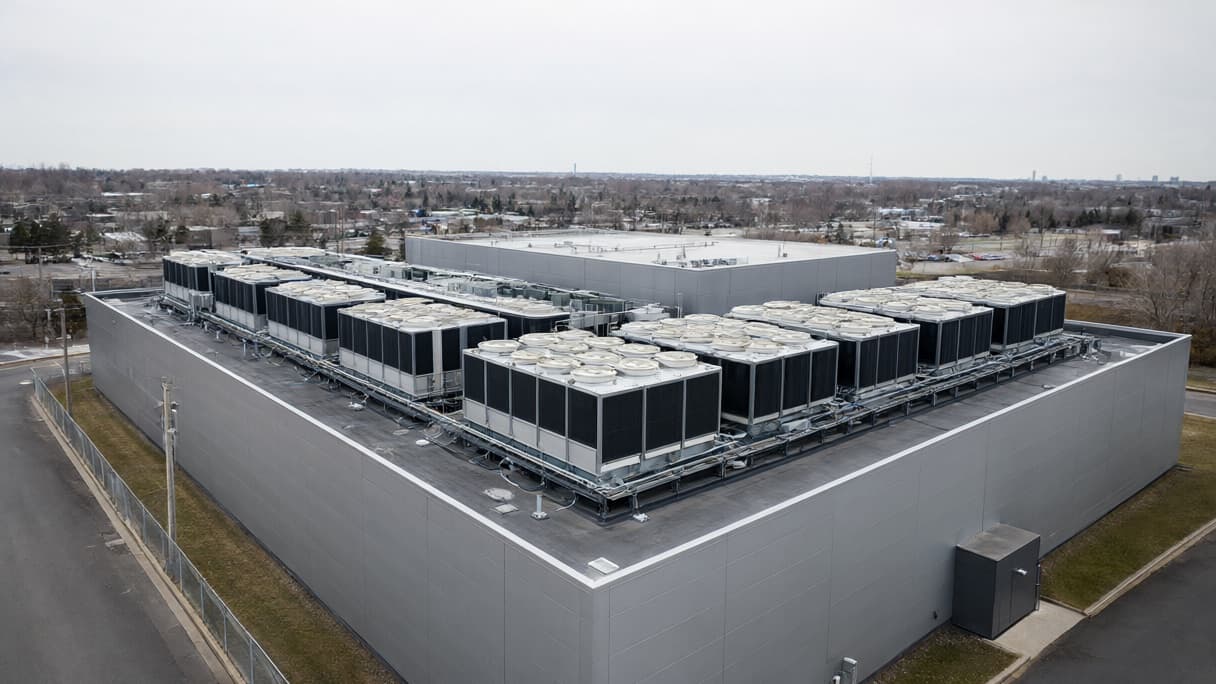
AI-generated image · US National Wire
As CoreWeave's bonds slip into distressed territory, the market is questioning the viability of the neocloud model and the sustainability of AI infrastructure leverage.
The financial stability of the AI infrastructure buildout is facing a critical stress test, centered on the balance sheet of CoreWeave. As first reported by The Verge, CoreWeave's bonds recently entered distressed territory, defined as a state where investors require a yield 1,000 basis points higher than government bonds.
This shift in credit perception has triggered broader market anxiety. Chamath Palihapitiya, referred to by The Verge as the "SPAC King," recently questioned if the current AI expansion represents a private credit bubble. Following Palihapitiya's observations on a Tuesday, CoreWeave shares declined by more than 20 percent.
CoreWeave serves as a primary case study for the risks associated with the "neocloud" business model, having pioneered the use of GPUs as collateral for loans. As of its second-quarter earnings, CoreWeave owed more than $35 billion. The company is also struggling with profitability; The Verge reports that CoreWeave lost over $1 billion during the first half of the year.
Despite these losses, CoreWeave cofounder Brannin McBee told the Financial Times that the company aims for its debt to be investment-grade rather than junk to access "unlimited" capital from insurers. While CoreWeave secured its first investment-grade chip loan earlier this year, investors remain unsettled by the company's existing debt load.
The systemic risk extends to other AI-linked equities. The Verge reports that Oracle shares fell nearly 10 percent in the same timeframe, accompanied by a sell-off in Oracle bonds. John Yovanovic, co-head of leveraged finance at MetLife Investment Management, told Bloomberg that the core issue is the arrival of another year and a half of supply.
The company possesses a buffer in "remaining performance obligations," totaling $103.7 billion as of the second quarter, with 40 percent due in 2028. These contracts are largely non-cancelable. However, revenue is highly concentrated; nearly three-quarters of second-quarter revenue came from three customers: Microsoft, OpenAI, and a third client likely to be Nvidia, though CoreWeave does not officially disclose the identity.
In my view, the CoreWeave situation exposes the fragility of the AI infrastructure trade. The reliance on GPU-backed leverage creates a precarious loop where survival depends on the solvency of a few massive partners. The fundamental question remains whether the bare-metal compute business is a viable long-term enterprise or a bubble fueled by unsustainable credit.